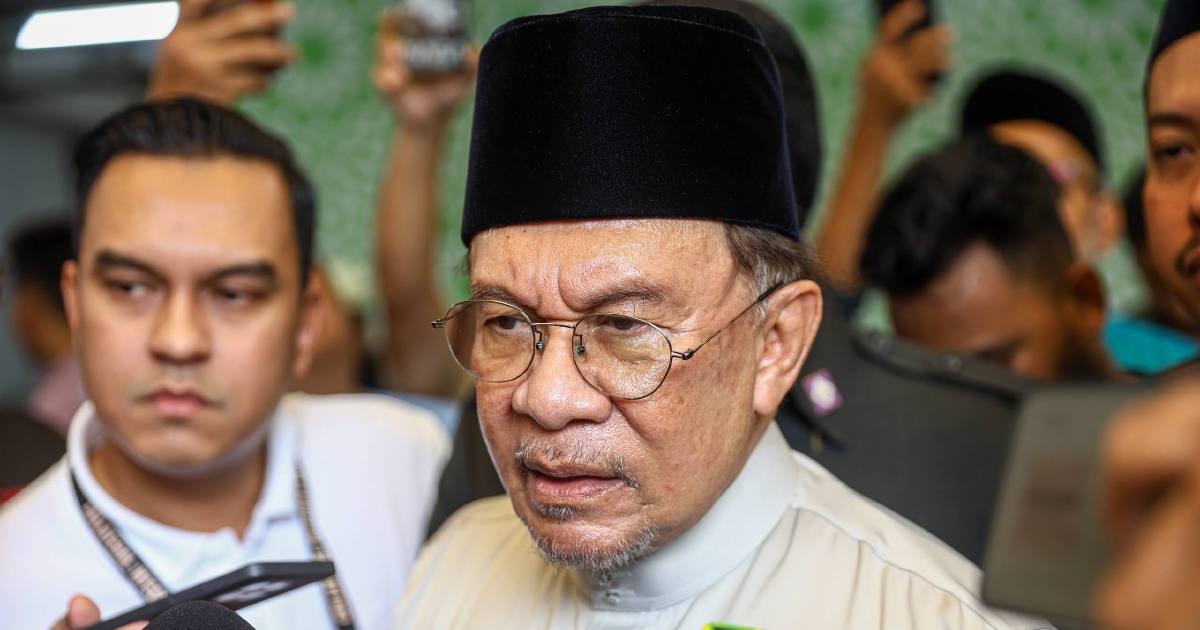
Prime Minister Datuk Seri Anwar Ibrahim has made clear that Malaysia will pursue its own course regarding fugitive businessman Low Taek Jho, popularly known as Jho Low, irrespective of any clemency action by the United States government. The statement underscores Kuala Lumpur's determination to operate independently in what has become one of Southeast Asia's most significant financial crime cases, resisting external pressure or precedent that might influence its legal trajectory.
The fugitive financier has been at the centre of international investigations spanning multiple jurisdictions for over a decade, with Malaysia maintaining serious allegations against him tied to the massive 1Malaysia Development Berhad scandal. The firm resolve articulated by Anwar reflects the political and legal complexities surrounding Jho Low, whose case extends far beyond bilateral relations into questions of national sovereignty and the consistency of pursuing accountability regardless of foreign government decisions.
Malaysia's independent stance carries particular weight given the evolving geopolitical landscape in Southeast Asia. A major power like the United States taking unilateral action on a figure implicated in crimes affecting Malaysian citizens and state institutions could be perceived as undermining regional legal processes. By explicitly stating that such a pardon would not alter Malaysia's position, Anwar is signalling that the country will not defer to external decisions when fundamental national interests are at stake.
The 1MDB case has already resulted in numerous convictions and substantial financial recoveries across multiple countries, including the United States, Singapore, and Switzerland. Jho Low's role in the scheme, which involved the misappropriation of billions from the sovereign wealth fund, remains a focal point of Malaysian investigations and public concern. The case continues to shape discourse about governance, accountability, and the mechanisms available to developing nations to pursue accountability against internationally mobile fugitives.
Jho Low's current whereabouts have long been a matter of speculation, with reports placing him in various jurisdictions while maintaining a public profile through occasional statements and legal manoeuvres. His ability to evade apprehension despite international arrest warrants reflects both his extensive resources and the complexity of cross-border law enforcement. Malaysia's declared position suggests the country is preparing for multiple contingencies, including potential US clemency actions that might complicate extradition or prosecution efforts.
Anwar's statement also carries implications for ASEAN's collective approach to transnational crime and financial malfeasance. As one of the region's leading economies and a significant player in regional affairs, Malaysia's insistence on maintaining independent legal authority sets a precedent for how Southeast Asian nations should handle cases where Western powers might attempt to exercise influence through diplomatic channels or executive clemency. The message is clear: regional nations will not abdicate responsibility for holding powerful individuals accountable merely because external actors intervene.
The 1MDB scandal has served as a cautionary tale about the vulnerabilities of state-owned enterprises to manipulation and the systemic weaknesses that can emerge when oversight mechanisms fail. Malaysia's continued pursuit of accountability in this matter, regardless of external developments, reinforces the importance of institutional resilience and the rule of law. For Malaysian citizens and investors alike, Anwar's statement provides reassurance that the government remains committed to justice and accountability even when facing potential international complications.
From a broader Southeast Asian perspective, the case exemplifies challenges that middle-income countries face when pursuing powerful individuals who possess the means to evade justice across multiple jurisdictions. The involvement of the United States in the 1MDB investigations, while helpful in securing convictions and asset recovery, does not diminish Malaysia's primary interest in pursuing its own legal remedies. Anwar's position reflects a mature understanding that international cooperation should complement rather than substitute domestic enforcement.
The timing of the Prime Minister's statement may also reflect heightened attention to potential changes in US policy regarding high-profile fugitives. Political transitions in Washington could signal shifts in enforcement priorities or clemency decisions that might affect cases of international significance. By preemptively clarifying Malaysia's stance, Anwar is ensuring that domestic constituencies and international observers understand that Kuala Lumpur will not be passively waiting for developments from abroad but will actively maintain pressure through its own legal system.
Moving forward, Malaysia's approach to Jho Low will likely continue to be shaped by developments in multiple jurisdictions, the availability of new evidence, and the evolving financial forensics that specialists continue to uncover. The declared independence of Malaysia's position, however, ensures that the country retains leverage and agency in how this major case ultimately resolves, whether through eventual apprehension, further convictions in absentia, or additional asset recovery efforts. This stance protects Malaysia's institutional credibility and sends an important signal about the seriousness with which the nation treats matters of governance and financial crime.

