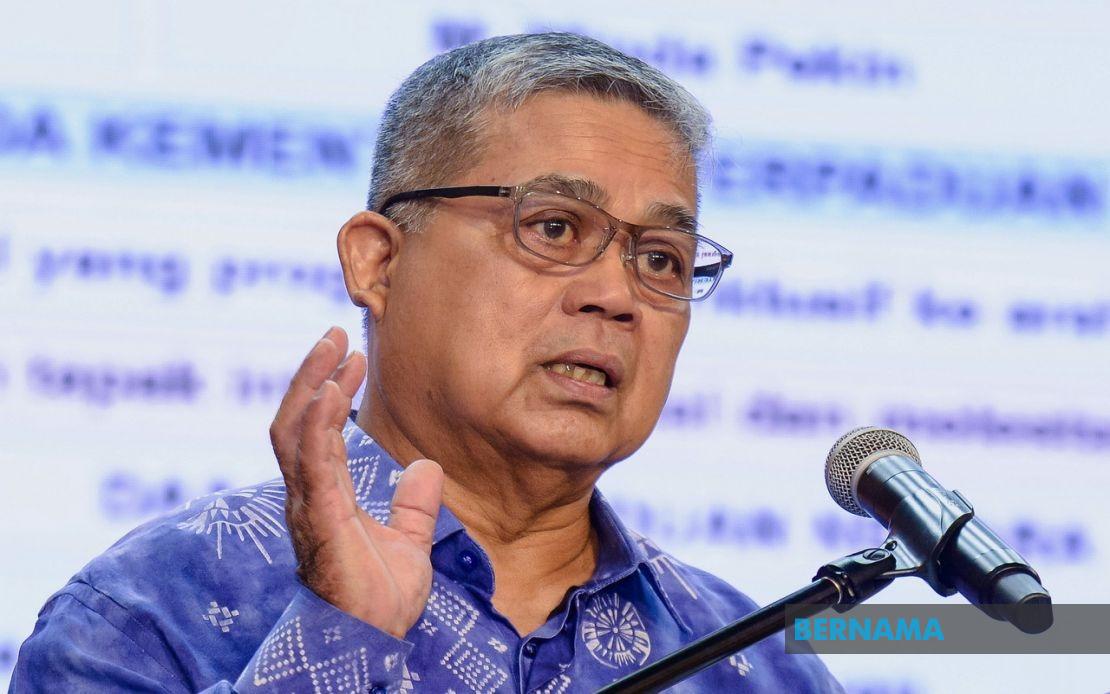
Malaysia's drive to build a more cohesive society has taken a tangible step forward with the National Unity Ministry's commitment to train more than 1,200 community mediators over the next six years. Datuk Aaron Ago Dagang, the ministry's chief, unveiled plans on August 3 to certify 1,280 mediators by 2030 — a significant scaling up of the nation's existing conflict resolution infrastructure. This initiative aligns with broader government priorities outlined in the 13th Malaysia Plan, which frames social unity as a cornerstone of national development and calls for more efficient, transparent and community-focused approaches to managing the disputes that inevitably arise in any diverse society.
The expansion of Malaysia's mediation ecosystem comes at a time when the country's court system faces mounting pressure from an ever-growing docket of civil cases. By creating accessible, free alternatives for resolving neighbourhood quarrels, commercial disagreements and family tensions, the government hopes to unburden the judiciary while simultaneously strengthening the social fabric at the grassroots level. Mediation offers distinct advantages over litigation: proceedings move faster, costs vanish entirely for users, and crucially, relationships between disputing parties remain intact rather than being fractured by adversarial court battles. For neighbourhoods where people must continue living and working alongside each other after a dispute, this preservationist quality of mediation carries enormous practical and psychological value.
The physical expansion underpinning this human resource strategy is equally ambitious. The ministry intends to establish twelve new community mediation centres by 2027, strategically distributed across Malaysia to ensure no region feels neglected. The planned locations span the peninsula and both Malaysian states on Borneo. In Sabah, a centre will open at Pusat Rukun Tetangga Taman Khidmat in Kota Kinabalu; in the federal territories, Perumahan Awam Seri Kota in Kuala Lumpur will host services. Johor receives a facility in Pontian, while Terengganu's offering centres on PRT Pekan Bukit Payong. Selangor's Shah Alam, Kedah's Pusat Aktiviti Perpaduan Kulim, and Pahang's PAP Permatang Badak round out peninsular coverage. Kelantan, Perak and Melaka complete the spread with centres in Machang, Kamunting and Jasin respectively, whilst Labuan, Sarawak's Miri and the island of Labuan ensure no territory stands isolated from these services.
This geographic distribution reflects a deliberate attempt to embed mediation infrastructure within communities rather than concentrating it in urban centres. By anchoring these facilities within neighbourhood associations (Rukun Tetangga councils) and community activity centres, the government signals that conflict resolution is not an elite, professional service accessible only to the wealthy, but a public good as fundamental as libraries or health clinics. The pro bono nature of the services — all mediation is provided entirely free — removes financial barriers that might otherwise discourage ordinary Malaysians from pursuing peaceful resolution.
The emphasis on training and certifying mediators reflects recognition that infrastructure alone cannot function without skilled personnel. Community mediators require not merely goodwill but genuine competence: the ability to listen without judgment, identify underlying interests beneath stated positions, guide parties toward creative solutions, and manage emotions that may run high during disputes. Each of the 1,280 mediators targeted for certification by 2030 will have undergone formal training ensuring they meet recognised professional standards. This credentials-based approach protects the public and lends legitimacy to a system that depends entirely on voluntary compliance from disputing parties.
For Southeast Asian context, Malaysia's mediation ambitions deserve close attention. The region encompasses extraordinary diversity of ethnicity, religion, and culture, making social harmony simultaneously vital and fragile. When conflicts erupt along communal lines — whether in neighbourhoods or workplaces — their resolution through state courts can inflame rather than soothe tensions. Community mediation, by contrast, keeps disputes within local hands, leverages existing social bonds, and models the inclusive, bottom-up problem-solving that contemporary governance theory increasingly champions. If Malaysia's experiment succeeds, neighbouring countries may well adapt the model to their own contexts.
The strategic partnership with local authorities mentioned in the ministry's statement deserves scrutiny. Local governments — municipal councils, district offices, and state administrations — occupy a unique position as trusted institutions with boots on the ground. By collaborating with these bodies rather than building parallel bureaucracies, the National Unity Ministry maximises reach whilst minimising overhead. Local authorities can identify disputes early, refer parties to mediators, and help enforce settlements through administrative channels when necessary. This nested approach to governance reflects sophisticated thinking about how change happens in complex, decentralised societies.
The connection to Malaysia MADANI, the government's overarching development framework, grounds this mediation initiative within a broader vision of national transformation. MADANI emphasises caring, harmonious and inclusive development; mediation embodies these values operationally. Each dispute resolved amicably rather than through litigation strengthens the bonds of mutual respect and understanding that underpin peaceful coexistence. Over thousands of communities, these individual resolutions accumulate into measurable improvements in social cohesion and trust.
Implementation success will ultimately depend on sustained funding, political commitment across electoral cycles, and buy-in from communities themselves. Mediators must be recruited from within the communities they serve — drawn from teachers, retired professionals, and respected community figures rather than imported experts. Training curricula must reflect Malaysian cultural contexts, acknowledging that mediation practices appropriate in Western settings may require adaptation for local acceptance. Public awareness campaigns will prove essential; many Malaysians remain unfamiliar with mediation as an alternative to courts, perceiving litigation as the default mechanism for serious disputes.
The 1,280 mediators target and twelve new centres represent concrete, measurable milestones that enable accountability. Unlike vague aspirations, these figures can be tracked, reported on, and independently verified. This precision serves both practical and political purposes: it signals serious intent to the public whilst creating metrics against which performance can be assessed. Should the ministry fall short of targets, stakeholders can demand explanations and corrective action rather than accepting murky progress claims.
Looking forward, the success of this initiative could reshape how Malaysians approach everyday conflicts. A culture of mediation, gradually nurtured through expanded access and trusted institutions, might reduce reliance on courts even in more complex matters. Commercial disputes, family disagreements and property conflicts all might increasingly find resolution through trained mediators before formal litigation becomes necessary. For a nation juggling deep diversity and competing interests, building such institutional capacity for peaceful problem-solving represents investment in social stability with returns compounding across generations.

