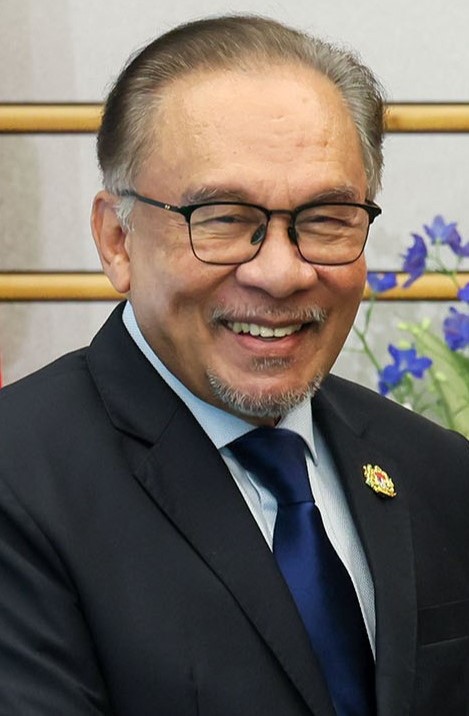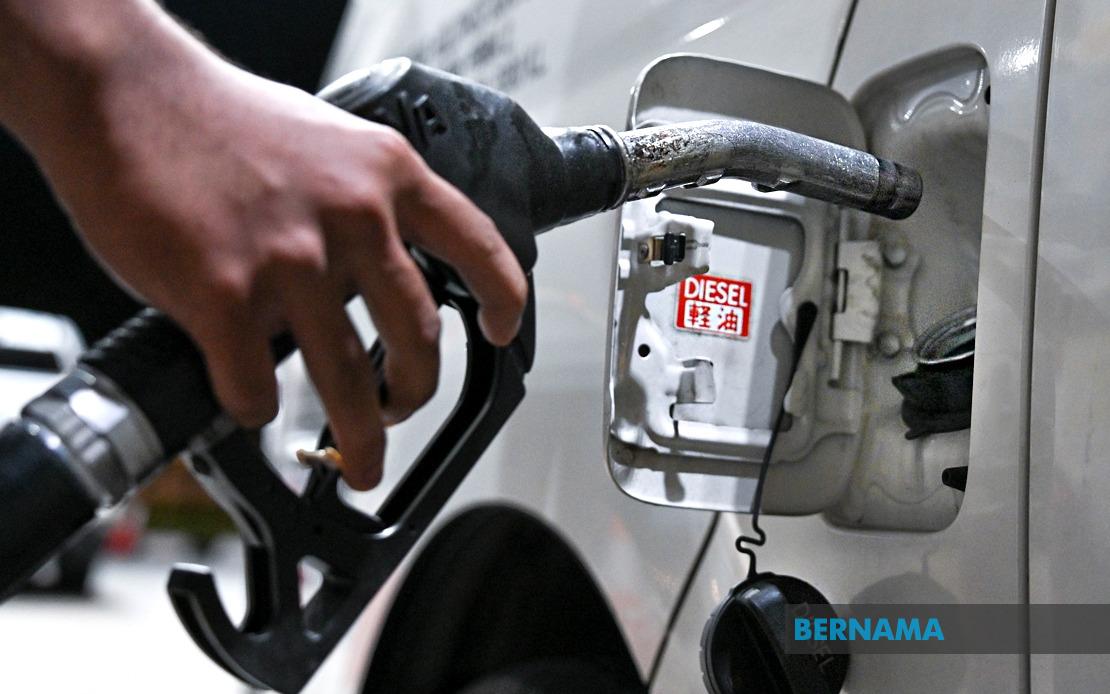
The Malaysian government expects to recoup up to RM2 billion annually in subsidy leakages through the implementation of BUDI MADANI Diesel, a reformed fuel support mechanism commencing July 1 at a fixed price of RM2.10 per litre. Second Finance Minister Datuk Seri Amir Hamzah Azizan revealed the ambitious cost-recovery targets at a Putrajaya press conference, underscoring the administration's determination to plug persistent inefficiencies in one of its largest fiscal commitments.
The BUDI Diesel initiative represents a fundamental restructuring of how the nation distributes fuel assistance, replacing a diffuse and vulnerable subsidy architecture with a unified, digitally-verified system. By introducing MyKad authentication at all petrol stations nationwide, the government aims to ensure that subsidised fuel reaches exclusively those Malaysians deemed genuinely entitled to support. This technological gatekeeping mirrors the existing BUDI RON95 petrol subsidy scheme, creating a coherent framework across both fuel categories and reducing opportunities for fraudulent access.
The scale of historical subsidy dysfunction has become increasingly apparent. Monthly fuel assistance expenditure typically hovered around RM800 million before the global oil price surge of recent months. However, when crude prices climbed sharply, the government's monthly outlay ballooned to nearly RM4.7 billion in March and RM4.9 billion in April—a six-fold increase that exposed the fragility of unconditional fuel support mechanisms. These extraordinary costs would prove unsustainable without corrective intervention, making the BUDI Diesel overhaul not merely prudent but essential for fiscal stability.
Diesel consumption patterns have revealed the extent of systemic leakage. Monthly usage jumped abnormally from approximately 624 million litres to nearly 1.2 billion litres, signalling serious diversion of subsidised fuel through illicit channels. Amir Hamzah attributed these losses primarily to cross-border smuggling networks and fraudulent claims by commercial operators who circumvented eligibility restrictions to purchase diesel at below-market rates. Such activities created dual pressures: straining government finances while simultaneously threatening the adequacy and reliability of domestic fuel supplies.
The situation in East Malaysia—Sabah and Sarawak—presents an even more acute problem. Diesel consumption in these states currently approaches two billion litres annually, despite plausible annual requirements estimated at around one billion litres. This discrepancy suggests leakages exceeding one billion litres per year, implying that as much diesel destined for subsidised purchase in these states is diverted or smuggled as is actually consumed domestically. The pattern indicates organised, large-scale operations rather than incidental waste, demanding urgent policy response.
Under the revised BUDI Diesel framework, approximately 700,000 private diesel vehicle owners will qualify for subsidised fuel at RM2.10 per litre through MyKad verification. The government has streamlined the transition for existing beneficiaries of earlier diesel assistance programmes, automatically migrating current recipients from a RM400 monthly cash allowance to direct point-of-sale subsidies without requiring reapplication. This administrative continuity minimises disruption while repositioning assistance toward its original intent: supporting eligible Malaysian motorists rather than funding leakage networks.
The government has sequenced implementation carefully to allow operational testing and beneficiary preparation. Early access to BUDI Diesel commenced June 27, 2026, for qualifying private vehicle owners throughout Peninsular Malaysia, ahead of the nationwide full rollout on July 1. This phased approach provides time to refine authentication protocols, address technical glitches at petrol station terminals, and educate the public on the new verification requirements.
The RM2 billion annual savings projection merits scrutiny, as realisation depends on several variables. Successful implementation requires effective MyKad integration across the nation's petrol station network, robust backend systems capable of real-time eligibility verification, and enforcement mechanisms to prevent fraudulent or false claims. Any significant technical failures or widespread circumvention of the MyKad gateway would substantially erode projected savings. Additionally, the government must maintain discipline in enforcing eligibility criteria and remain responsive to legitimate hardship cases.
For Malaysian consumers, the BUDI Diesel mechanism represents stabilised pricing rather than price reduction. By capping diesel at RM2.10 per litre for eligible users while establishing a hard ceiling on subsidy obligations, the government protects consumers from volatile global oil markets while simultaneously constraining its fiscal exposure. The subsidy remains targeted rather than universal, meaning commercial operators, fleet owners, and vehicle owners not meeting eligibility criteria will pay closer to market rates. This two-tiered structure deliberately incentivises rational consumption and discourages speculative hoarding or smuggling.
The broader context involves Malaysia's persistent struggle with subsidy sustainability. Fuel support consumes a substantial portion of the federal budget, competing with spending on education, healthcare, and infrastructure. The BUDI Diesel reform signals the government's commitment to means-testing and efficiency rather than blanket support, acknowledging that universal subsidies benefit unintended recipients and distort markets. Similar discipline has been applied selectively to other expenditure categories, though fuel subsidies remain politically sensitive given their impact on ordinary Malaysian households and transportation-dependent industries.
Regional observers have noted that Malaysia's subsidy challenges reflect broader Southeast Asian patterns. Thailand, Indonesia, and the Philippines have all grappled with costly fuel support programmes that attract smugglers and create fiscal imbalances. Malaysia's BUDI approach—combining targeted eligibility with digital verification—may offer instructive lessons for neighbouring governments seeking to maintain affordability while controlling cost.
The success of BUDI Diesel will ultimately depend on execution quality and sustained political will. Closing a RM2 billion annual leakage requires not merely effective technology but also consistent enforcement, inter-agency coordination, and resistance to pressure for exemptions or expansion. The government's track record with BUDI RON95 will partly determine credibility; if that scheme has effectively prevented abuse and delivered promised savings, confidence in the diesel variant will be correspondingly higher. Conversely, any perception of unequal enforcement or system vulnerability will invite circumvention and undermine public support.