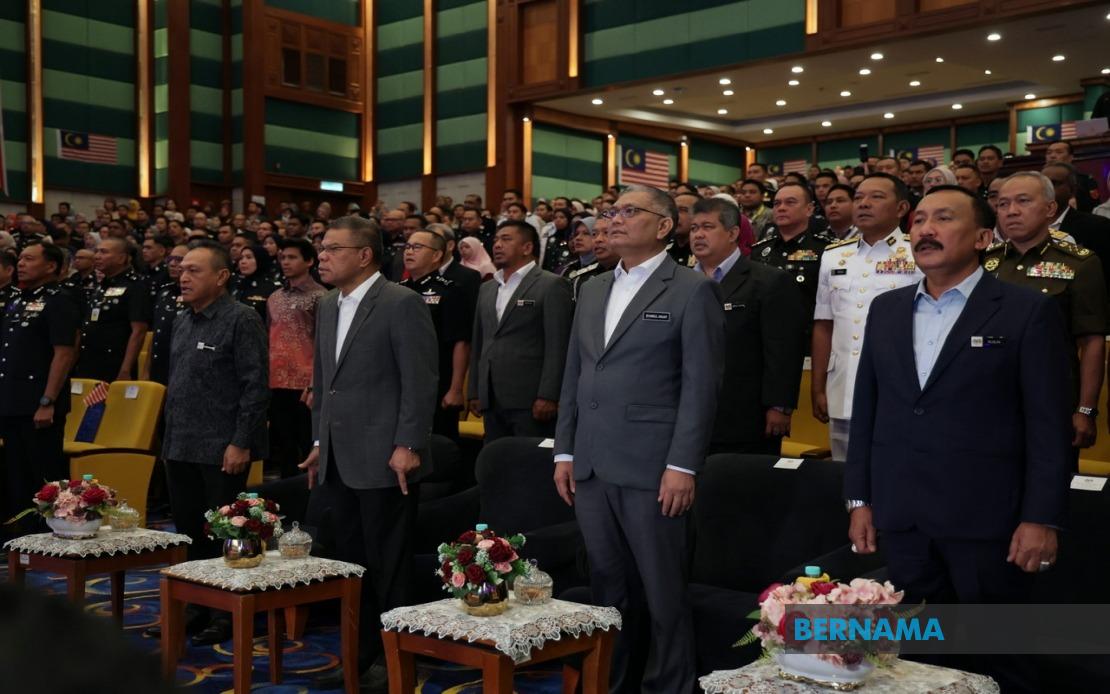
Malaysia's government is set to unveil an ambitious overhaul of security procedures at the nation's ports of entry, with Home Minister Datuk Seri Saifuddin Nasution Ismail preparing to present the initiative to Cabinet. The plan will be presented jointly with Transport Minister Anthony Loke, reflecting the multi-agency coordination required to implement such sweeping changes across airports, seaports, and land borders throughout the country.
The proposal emerged from a Cabinet directive issued following a security incident that drew unwanted international attention to Malaysia's border controls. A Malaysian pilot was detained at Soekarno-Hatta International Airport in Indonesia after approximately 25 kilogrammes of MDMA were discovered in his possession, triggering government concerns about potential drug smuggling networks and the nation's security apparatus. Officials viewed the incident as a reputational risk, exposing vulnerabilities in the security screening system that could undermine Malaysia's standing as a secure travel and logistics hub in Southeast Asia.
The rapid development timeline underscores the seriousness with which authorities treated the matter. Tasked with producing solutions within a fourteen-day window, the Home Ministry coordinated with the Transport Ministry and other relevant agencies to develop what officials describe as a comprehensive framework addressing multiple operational domains. This accelerated schedule demonstrates the government's determination to prevent similar incidents and restore confidence in Malaysia's border security capabilities.
A central element of the security enhancement plan focuses on eliminating compartmentalised approaches to entry point management. Historically, different agencies operating at Malaysia's borders have functioned with limited coordination, creating gaps that smugglers and other bad actors could potentially exploit. The new framework emphasises integrated operations, with enhanced information-sharing and unified protocols ensuring that security agencies work in concert rather than isolation. This systemic shift represents a significant departure from previous practices and signals a commitment to institutional reform.
The plan addresses technical infrastructure as a critical component. Investment in closed-circuit television systems, modern scanning equipment, and advanced detection machinery will enhance the physical capacity to identify contraband and irregular activities. However, technology alone cannot secure borders effectively. Saifuddin Nasution emphasised that the proposal also prioritises human resource development, including competency enhancement programmes and specialised training for personnel operating sophisticated screening equipment. Well-trained officers utilising modern technology create a formidable deterrent against smuggling attempts.
Staffing and operational capacity emerge as central considerations in the security upgrade. The comprehensive review identified gaps in personnel training and expertise, particularly regarding the operation of advanced scanning and detection systems. By investing in workforce development alongside infrastructure improvements, Malaysia aims to ensure that technical capabilities are matched by personnel equipped to interpret results accurately and respond appropriately to security threats. This balanced approach reflects international best practices in border management.
The incident involving the Malaysian pilot has triggered an active investigation by the Royal Malaysia Police, with promising cooperation from Indonesian counterparts. Interrogation of the suspect is ongoing, with authorities attempting to determine whether the smuggling attempt represents isolated criminal conduct or involvement in an organised international trafficking network. This distinction carries significant implications for Malaysia's response strategy, as international syndicate involvement would necessitate cross-border law enforcement coordination and potentially require diplomatic engagement with regional partners to dismantle smuggling operations at their source.
The investigation's findings will directly inform Malaysia's subsequent security improvements. By identifying whether weaknesses at exit or entry points were exploited, authorities can target enhancements to the most vulnerable areas. If the incident reflects systemic vulnerabilities, the resulting security framework will address those specific gaps. Conversely, evidence of organised trafficking would prompt different tactical responses focused on intelligence gathering and international cooperation. This evidence-based approach ensures that security investments address genuine threats rather than theoretical vulnerabilities.
For Malaysia's travel and logistics sectors, the security enhancement plan carries both immediate and long-term implications. In the short term, enhanced screening procedures may increase processing times at airports and ports, potentially affecting operational efficiency. However, such disruptions are typically temporary as agencies and private operators adapt to new protocols. Over the longer horizon, strengthened security credentials enhance Malaysia's competitiveness as a regional hub. Airlines, shipping companies, and cargo operators prefer destinations with robust security reputations, as this reduces their regulatory exposure and insurance costs.
Regionally, Malaysia's security initiatives occur within a broader Southeast Asian context of enhanced border vigilance. Neighbouring countries including Indonesia, Thailand, and Singapore have invested substantially in modern border infrastructure and coordinated law enforcement approaches to combat drug trafficking and transnational crime. Malaysia's comprehensive security plan positions the country as a serious participant in regional security cooperation, potentially facilitating deeper integration with neighbouring nations' border management systems. Such coordination strengthens the entire region's capacity to address transnational threats.
The Cabinet presentation marks a critical juncture in Malaysian border security policy. If approved with adequate funding, the comprehensive plan would represent the most significant overhaul of entry point operations in recent years. Implementation will require sustained commitment from multiple government agencies, coordination with private sector operators including airport authorities, and potentially legislative amendments to support enhanced screening powers. The coming months will reveal whether the proposal receives full government backing and the realistic timeline for systemic implementation across all of Malaysia's entry points.

