The Malaysian Anti-Corruption Commission (MACC) will convene the 22nd ASEAN Parties Against Corruption (ASEAN-PAC) Secretariat Meeting in Melaka from July 28 to 30, marking a significant moment for regional collaboration on one of Asia's most pressing governance challenges. The three-day gathering will draw anti-corruption authorities from across Southeast Asia and the wider Indo-Pacific, underscoring the growing recognition that corruption transcends borders and demands coordinated regional responses. MACC Chief Commissioner Datuk Seri Abd Halim Aman will officially open the meeting, signalling the Commission's institutional commitment to the proceedings.
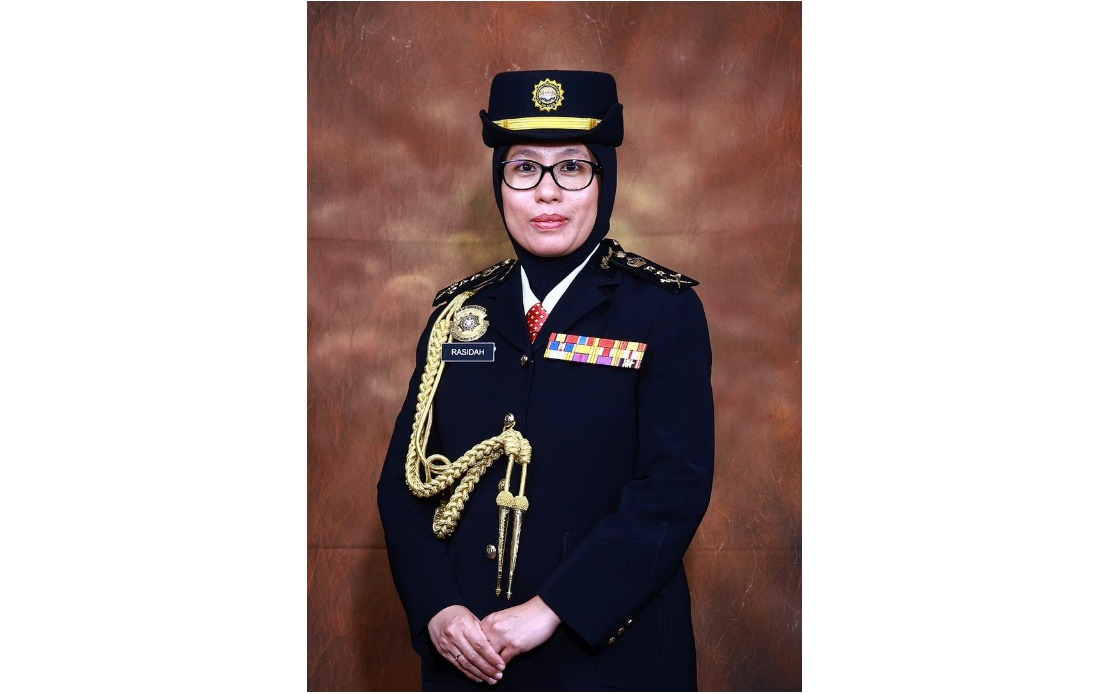
The meeting represents Malaysia's second major regional convening during its chairmanship of ASEAN-PAC for the 2025 to 2026 term, following the Principals Meeting held in October last year. This consecutive hosting demonstrates Malaysia's elevated role in shaping anti-corruption strategy across the ten-member ASEAN bloc plus Timor-Leste, which formally joined the platform in 2024. According to Datuk Rasidah Abdul Karim, director of the MACC's Policy, Planning and Research Division, the forum provides a critical mechanism for member states to synchronise efforts against increasingly sophisticated corruption schemes that exploit regional connectivity and trade flows.
Attendees will include senior officials from anti-corruption agencies in Brunei, Cambodia, Indonesia, Laos, Malaysia, Myanmar, the Philippines, Singapore, Thailand, Vietnam, and Timor-Leste. The inclusion of Timor-Leste, Southeast Asia's newest nation, reflects the initiative's evolving reach and the region's collective determination to mainstream integrity standards across all member economies. Beyond ASEAN itself, the meeting has drawn substantial international participation from the International Association of Anti-Corruption Authorities (IAACA), the United Nations Office on Drugs and Crime (UNODC), the Organisation for Economic Co-operation and Development (OECD), the Asian Development Bank (ADB), and the Perdana International Anti-Corruption Champion Foundation (PIACCF). This multilayered engagement creates opportunities for cross-regional learning and brings global best practices into direct dialogue with Southeast Asian realities.
The substantive agenda focuses on identifying and analysing emerging corruption challenges that are reshaping the threat landscape across the region. Rather than rehearsing conventional anti-corruption measures, the meeting aims to facilitate frank discussion about novel schemes—digital corruption, transnational bribery networks, and procurement fraud tied to infrastructure development—that require adaptive enforcement responses. Participants will exchange proven practices and innovative methodologies that have yielded results in specific jurisdictions, creating a shared knowledge base that smaller or resource-constrained agencies can draw upon. The emphasis on capacity building reflects a pragmatic acknowledgement that anti-corruption effectiveness depends not merely on political will but on sustained institutional investment and technical sophistication.
A dedicated seminar titled "Integrity in Major Infrastructure Projects" will constitute a major session within the broader meeting. This thematic focus carries particular relevance for Malaysia and the broader region, given the scale of infrastructure investment flowing through ASEAN economies as part of Belt and Road Initiative participation, ASEAN Connectivity programmes, and domestic development agendas. Corruption in infrastructure projects—from bid-rigging to cost inflation to substandard implementation—directly diminishes public value and diverts resources from genuine development needs. The seminar will examine integrity enhancement mechanisms, corruption risk management protocols, and governance frameworks that can protect large-scale projects from compromise. By bringing together procurement specialists, auditors, and enforcement officials, the discussion promises to bridge the gap between policy design and operational implementation.
The meeting will also establish an institutional framework for collective action aligned with internationally recognised frameworks and standards. This approach ensures that regional cooperation does not operate in isolation from global anti-corruption norms, including those established by the OECD Convention on Combating Bribery of Foreign Public Officials, the United Nations Convention Against Corruption, and emerging standards around beneficial ownership transparency and sanctions compliance. By embedding regional initiatives within these broader ecosystems, ASEAN-PAC strengthens the credibility of member agency actions and facilitates information-sharing with agencies outside the region that are investigating transnational corruption involving ASEAN actors or jurisdictions.
Beyond formal proceedings, organisers have incorporated a cultural and social programme that offers international delegates insights into Malaysia's heritage while fostering informal networks among participants. These unofficial channels often prove invaluable for building personal relationships and trust between officials who may eventually need to coordinate sensitive investigations or share confidential intelligence. In anti-corruption work, where institutional coordination and mutual confidence are prerequisites for effective joint action, such relationship-building serves a functional purpose beyond mere hospitality.
Malaysia's stewardship of ASEAN-PAC reflects its positioning as a regional leader committed to strengthening governance standards and demonstrating that anti-corruption is not an external imposition but a priority endorsed by Southeast Asian governments themselves. By hosting successive major meetings and convening peer-learning forums, Malaysia reinforces a narrative of regional ownership over integrity agendas. This is particularly significant given historical instances where external pressure on governance issues has provoked nationalist backlash in the region. The ASEAN-PAC platform allows member states to set their own priorities, determine their own pace of reform, and support each other rather than submitting to external prescription.
The gathering occurs against a backdrop of intensifying regional economic integration and expanding cross-border crime networks that exploit regulatory gaps and differing standards. Corruption often lubricates these criminal enterprises, creating perverse incentives that undermine legitimate commerce and disadvantage compliant businesses. By establishing mechanisms for regional agencies to share intelligence, coordinate investigations, and align enforcement standards, ASEAN-PAC contributes to a more level playing field for legitimate economic actors and raises the expected costs of corrupt behaviour. For Malaysian businesses operating across Southeast Asia, this institutionalisation of anti-corruption cooperation reduces the unpredictability and unfairness that comes from inconsistent enforcement across jurisdictions.
The three-day meeting in Melaka will also assess progress on previous commitments and establish fresh priorities for the coming months. This iterative approach, whereby ASEAN-PAC holds itself accountable against its own benchmarks, distinguishes the platform from forums that convene primarily for ceremonial purposes. Member agencies will likely discuss capacity gaps that require targeted technical assistance, training programmes that would benefit from expanded resources, and coordination mechanisms that need strengthening. The discussions will also address transnational dimensions of corruption—money laundering routes, offshore financial secrecy, and corruption proceeds flowing across borders—that no single agency can address unilaterally.
For Malaysia specifically, hosting this meeting and chairing ASEAN-PAC during 2025-2026 offers an opportunity to demonstrate institutional reform and renewal within the MACC itself. The Commission has faced periodic questions about its independence and operational effectiveness, particularly regarding high-profile cases and perceived political sensitivity. By convening international peers and subjecting Malaysian approaches to regional scrutiny and benchmarking, the MACC creates external accountability mechanisms that can reinforce public confidence in its impartiality. International participants will observe how the MACC operates, assess the sophistication of its investigative techniques, and evaluate its commitment to due process—observations that, if positive, can strengthen the Commission's regional and domestic legitimacy.
The meeting also occurs as ASEAN members grapple with governance challenges linked to contested elections, civil-military transitions, and questions about institutional independence in several member states. Within this context, professional forums where anti-corruption officials meet as peers—rather than as representatives of governments with divergent political systems—help sustain a layer of institutional continuity and professionalism that can transcend broader political tensions. The relationships and knowledge networks forged through ASEAN-PAC may prove invaluable if member states confront transnational corruption cases or situations where inter-agency coordination becomes crucial for credible outcomes.

