The Malaysian Education Ministry is embarking on a nationwide push to educate students and staff about critical child protection legislation, signalling a renewed commitment to safeguarding vulnerable learners in the nation's school system. The advocacy initiative, which encompasses three key pieces of legislation—the Child Act 2001, the Anti-Bullying Act 2026, and the Sexual Offences Against Children Act 2017—represents a comprehensive approach to embedding awareness of children's rights and protective mechanisms throughout Malaysia's education sector.
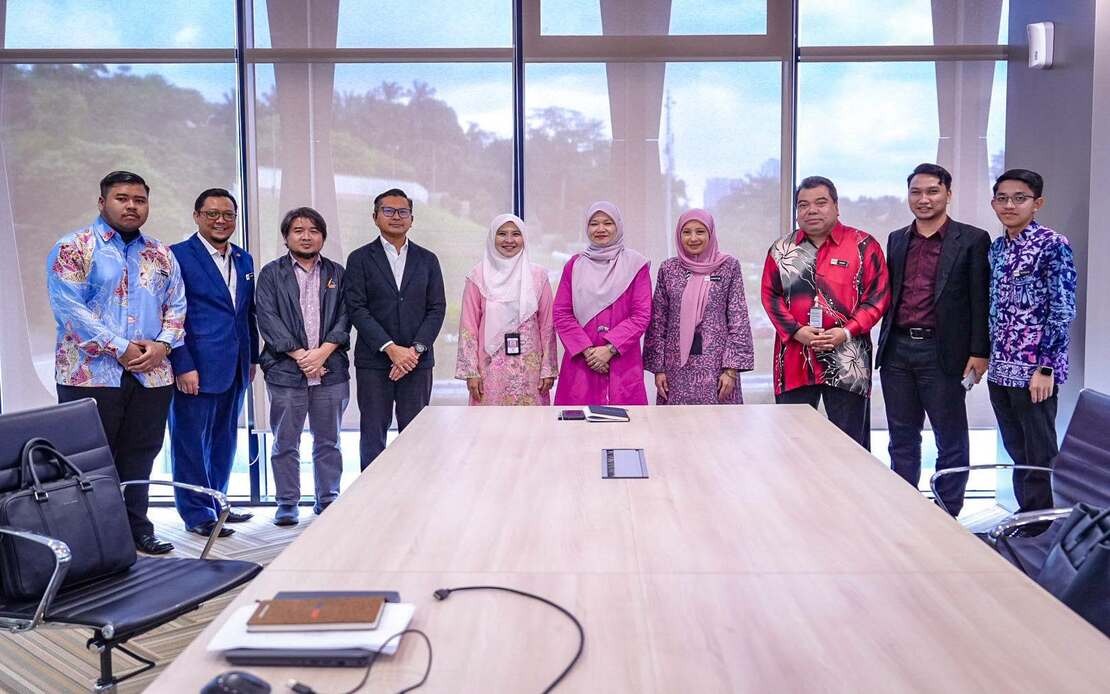
Education Minister Fadhlina Sidek confirmed the plans following a strategic meeting with representatives from the Human Rights Commission of Malaysia (SUHAKAM), which included Children's Commissioner Dr Farah Nini Dusuki and Dr Mohd Al Adib Samuri. The convergence of these two key institutions underscores growing recognition that child safety requires coordinated effort across government bodies responsible for both education policy and human rights protection. The collaboration reflects international best practice in child safeguarding, where standalone legislation proves ineffective without widespread understanding among those working directly with children.
The timing of this initiative carries particular significance given persistent concerns about bullying and sexual harassment in Malaysian educational institutions. Despite existing legal frameworks, many students and even educators remain insufficiently informed about their rights under current legislation or the reporting mechanisms available to them. By launching targeted awareness campaigns, the ministry seeks to narrow the gap between what laws mandate and what stakeholders actually understand about their protections and obligations. This educational groundwork becomes especially critical as Malaysia implements newer statutory provisions like the Anti-Bullying Act 2026, which has only recently entered force.
The Child Act 2001, though now in its third decade of operation, continues to serve as foundational protection for Malaysian minors. However, its provisions relating to child welfare, custody, and guardianship remain opaque to many parents and schoolchildren who could benefit from understanding their entitlements. Similarly, the Sexual Offences Against Children Act 2017 established a comprehensive framework for prosecuting and preventing child sexual abuse, yet awareness campaigns have been sporadic. The proposed advocacy programme offers an opportunity to translate legislative intent into cultural change within schools, where many children spend significant portions of their formative years.
Minister Fadhlina's emphasis on creating a safe learning environment reflects growing understanding that academic performance deteriorates when students experience bullying or fear sexual harassment. International research consistently demonstrates that psychological safety directly correlates with educational outcomes. Malaysian schools, facing persistent challenges with student-on-student violence and inadequately trained staff in recognizing warning signs of abuse, stand to benefit substantially from systematic knowledge dissemination. The ministry's approach suggests recognition that legislative prohibition alone cannot protect children without corresponding shifts in institutional awareness and response capacity.
The partnership between the Education Ministry and SUHAKAM carries weight beyond mere symbolic cooperation. SUHAKAM, as Malaysia's independent human rights body, brings institutional credibility and technical expertise in children's rights discourse. By anchoring the advocacy initiative in collaboration with this established commission, the education ministry signals that child protection represents a human rights imperative rather than merely an administrative compliance exercise. This framing may prove crucial for gaining buy-in from educators and parents who might otherwise view such campaigns as bureaucratic impositions.
Implementing systematic advocacy across Malaysia's diverse education system presents logistical challenges that warrant careful planning. Schools operate across multiple states with varying resource capacities, and messaging must resonate across different linguistic and cultural contexts. The ministry will likely need to develop tiered training programmes for school administrators, teachers, support staff, and students respectively, tailoring content to age-appropriate understanding and professional responsibilities. Without such differentiation, generic awareness campaigns risk generating surface-level comprehension without translating into actual behavioral change or institutional practice modification.
The anti-bullying component merits particular attention given documented prevalence of peer victimization in Malaysian schools. Recent years have witnessed tragic incidents of school-based violence that have galvanized public concern. The Anti-Bullying Act 2026, which represents Malaysia's first comprehensive statutory framework specifically addressing bullying, requires schools to establish reporting mechanisms, investigate allegations, and implement preventive measures. Many educational institutions remain uncertain about exactly what the law requires operationally. Advocacy campaigns can clarify these obligations while simultaneously empowering students with knowledge that bullying constitutes a legal offense rather than merely an interpersonal conflict to be resolved privately.
Sexual offences protection similarly demands careful, age-appropriate communication. Students require language to recognize inappropriate behavior by authority figures or peers, understand that such conduct is prohibited and reportable, and know where to seek help without fear of blame or disbelief. Teachers and school administrators need clear understanding of their mandatory reporting obligations and the processes for ensuring child safety during investigations. The ministry's commitment to advocacy suggests recognition that many stakeholders currently lack this foundational knowledge, undermining the protective intent of existing legislation.
For Malaysian parents, the proposed advocacy initiative offers potential value in supporting home-based monitoring of their children's wellbeing. When parents understand what protections the law provides and what behaviors constitute offenses, they become better positioned to recognize warning signs that their child may be experiencing abuse or bullying. This extends protective capacity beyond school gates into the community realm, where children also require safeguarding. Public awareness campaigns, when designed thoughtfully, can reach parents through multiple channels and languages, accommodating Malaysia's linguistic diversity.
The initiative also carries regional implications. As Southeast Asian nations increasingly prioritize child protection frameworks, Malaysia's approach to implementing and advocating for these laws may influence practices across the region. Neighboring countries grappling with similar challenges in enforcement and cultural acceptance of child protection mechanisms may observe and potentially adapt Malaysia's collaborative model. This positions the Education Ministry and SUHAKAM partnership as potentially contributing to broader improvements in child safeguarding practices across Southeast Asia.
Moving forward, the success of these advocacy programmes will depend substantially on sustained resource allocation and systematic monitoring of implementation across schools. One-off campaigns typically achieve limited impact; embedding child protection awareness requires ongoing training, periodic refresher sessions, and integration of these concepts into curriculum and institutional policies. The ministry's explicit commitment that child welfare "will always remain a priority" and "there will be no compromise" suggests determination to maintain focus even as other educational pressures compete for attention and resources. This advocacy initiative represents an important step in translating Malaysia's legal commitments to child protection into lived reality within the nation's schools.

