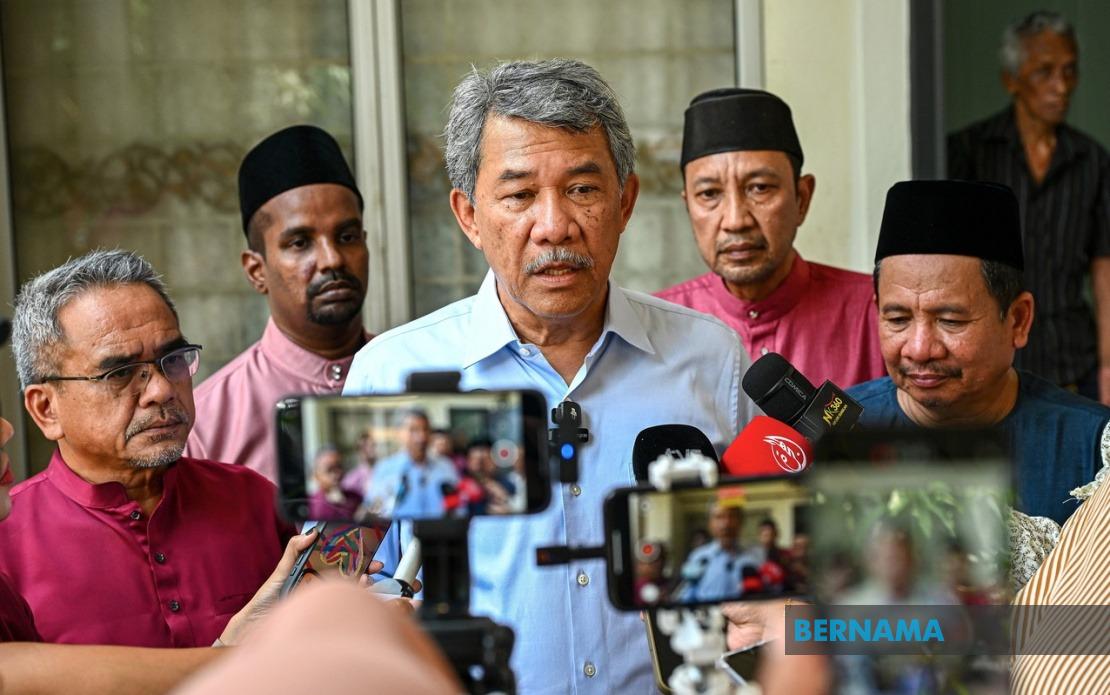
Malaysia will not rush to send Myanmar refugees back to their country of origin without first establishing that they face no danger upon return, according to Foreign Minister Datuk Seri Mohamad Hasan, signalling a cautious approach to repatriation that prioritises humanitarian concerns over expediting departures. The minister's remarks, made during a community engagement event in Seremban, reflect growing international scrutiny of how host nations manage the return of displaced populations amid ongoing instability in Myanmar.
The Malaysian government has established a framework involving close coordination with the United Nations High Commissioner for Refugees to verify the identity and background of each refugee before approving their return. This verification process is essential not merely as administrative procedure but as a safeguard against sending individuals back to circumstances where they might face persecution, arrest, or worse. Mohamad Hasan indicated that the Home Ministry is working alongside UNHCR to conduct these assessments systematically, ensuring that repatriation decisions rest on solid intelligence about conditions on the ground.
A central element of Malaysia's approach involves direct engagement with the Myanmar government itself. The Foreign Ministry has instructed its diplomatic apparatus to establish channels through Myanmar's embassy in Kuala Lumpur to coordinate the logistics and conditions of return. Rather than viewing repatriation as a unilateral decision, Malaysia is framing it as a collaborative process that requires negotiation with the Naypyidaw authorities. This diplomatic engagement is particularly significant given the delicate political situation in Myanmar, where the military coup in 2021 has created persistent governance challenges and raised legitimate concerns about whether returnees might face state harassment.
The question of scale and timing has emerged as a key point of contention. Myanmar authorities have indicated willingness to receive 5,000 of their nationals from Malaysia, potentially via maritime transport. However, Mohamad Hasan made clear that Malaysia rejects any approach suggesting mass repatriation on an artificial timetable. Instead, the government intends to proceed incrementally, beginning with the approximately 1,000 individuals whose refugee status has already been established and verified. This staged approach allows Malaysia to monitor conditions following initial returns and adjust procedures accordingly, rather than committing to large numbers prematurely.
The minister's comments reflect a broader regional consensus that the Myanmar refugee crisis demands careful, coordinated handling rather than ad hoc solutions. He emphasised that ASEAN member states view the situation with shared concern and that any resolution must involve collective action across the bloc rather than individual nations acting independently. This regional solidarity matters because Myanmar's neighbours all host significant refugee populations, and uncoordinated repatriations could create complications across Southeast Asia.
Malaysia's position also incorporates the Five-Point Consensus adopted by ASEAN leaders, a diplomatic framework intended to guide the region's response to Myanmar's internal conflict. This consensus emphasises dialogue, humanitarian access, and the cessation of violence as prerequisites for stability. By anchoring repatriation policy within the 5PC framework, Malaysia signals that it will not allow refugee returns to proceed in ways that undermine the broader regional agenda of encouraging Myanmar's transition toward democratic governance and respect for human rights.
The humanitarian dimension of this issue cannot be overstated. Myanmar's internal conflict has created a complex backdrop where many refugees genuinely fear what awaits them if they return. The widespread reports of military abuses, arbitrary detention, and targeting of opposition sympathisers have made it impossible for Malaysia or any responsible host nation to assume that conditions are safe for wholesale repatriation. By insisting on thorough verification processes, the government is acknowledging these realities rather than pretending they do not exist.
For Malaysia, which hosts one of the world's largest refugee populations relative to its size, managing repatriations presents both moral and practical challenges. The country has long struggled to balance its humanitarian obligations with the pressures on its services and social infrastructure that come with housing displaced populations. A gradual, carefully managed repatriation programme offers a path that respects both humanitarian principles and Malaysia's capacity to absorb new populations while returns proceed.
The involvement of UNHCR in this process adds an important layer of international legitimacy and expertise. The UN agency brings established protocols for determining refugee status and assessing return conditions, removing arbitrary decision-making from the equation. By working through UNHCR rather than handling repatriations solely as a bilateral matter, Malaysia ensures that returnees benefit from international scrutiny and established safeguards designed to prevent refoulement—the practice of sending individuals to places where they face persecution.
Looking forward, the success of Malaysia's approach will depend heavily on whether Myanmar's political situation stabilises and whether the government in Naypyidaw genuinely commits to creating conditions where returnees can rebuild their lives safely. The Foreign Ministry's emphasis on liaison with Myanmar's embassy suggests diplomatic pressure will accompany the repatriation process, with Malaysia effectively using the incentive of accepting returning nationals to encourage improved governance. This represents a sophisticated approach that views refugee repatriation not merely as a logistical problem but as an opportunity to advance broader regional interests in Myanmar's eventual return to democratic stability.

