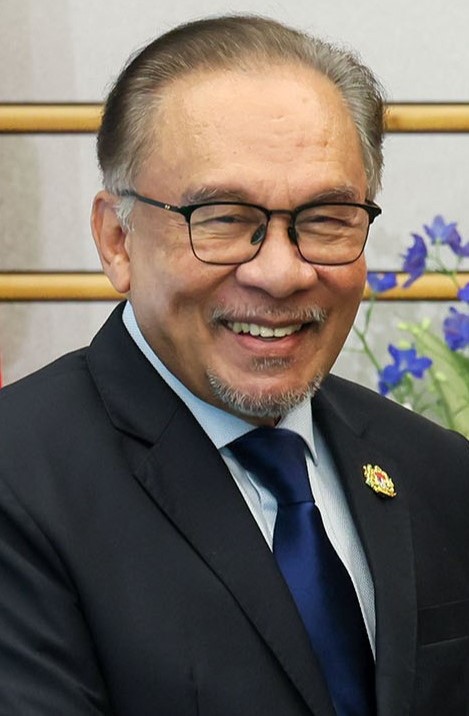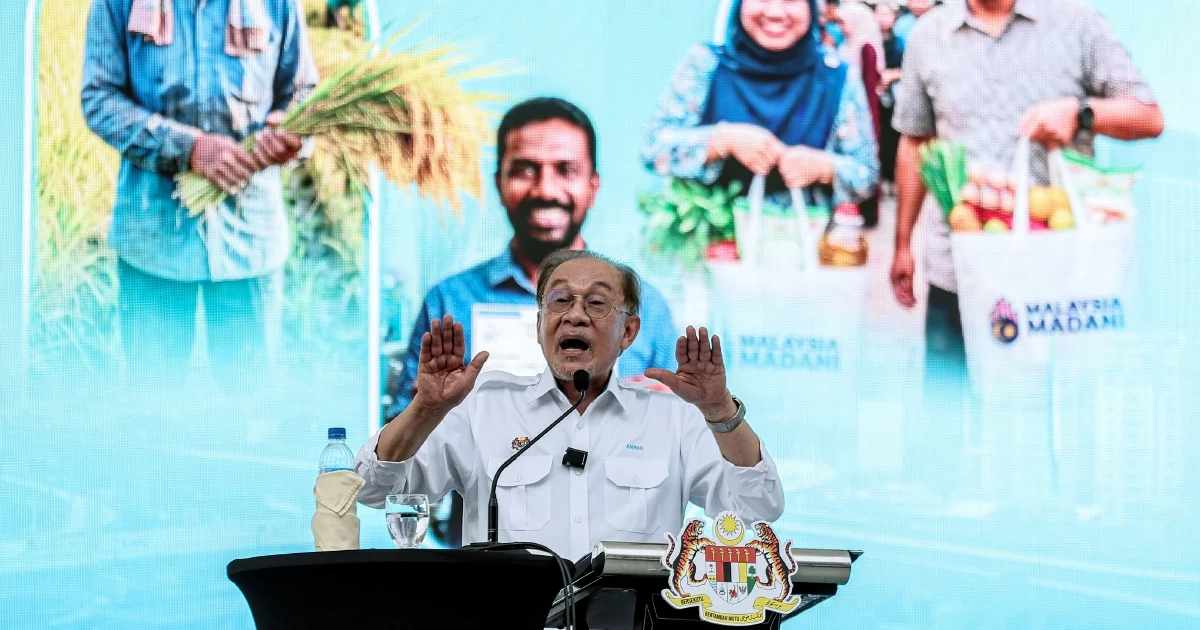
Prime Minister Anwar Ibrahim has unveiled a substantial increase in government funding for Neighbourhood Watch Areas (KRT) across Malaysia, raising the annual grant allocation to RM10,000 from the previous RM6,000 per unit. The enhancement represents a marked commitment to strengthening community-based crime prevention infrastructure at the grassroots level, with disbursement commencing on January 1, 2027. The announcement was made during a visit to Segamat, signalling the government's intent to prioritise localized security initiatives across urban and rural communities nationwide.
The 67 percent increase in funding allocation reflects a deliberate policy shift towards empowering neighbourhood-level security operations without relying exclusively on formal law enforcement resources. Neighbourhood Watch Areas, comprising volunteer residents organized at the community level, have long served as the frontline mechanism for reporting suspicious activities, coordinating patrols, and fostering preventive security culture within residential zones. This budgetary enhancement acknowledges the operational role these grassroots networks play in the broader ecosystem of public safety, suggesting recognition that community vigilance remains an invaluable complement to police work.
The timing of the funding increase, aligned with the new calendar year in 2027, allows sufficient preparation time for administrative coordination across the country's thousands of registered KRT units. Each neighbourhood association will now dispose of substantially greater discretionary funding to support activities such as equipment procurement for patrols, training workshops for volunteer members, communication infrastructure improvements, and enhanced community engagement programmes. The larger budget enables these groups to move beyond minimal operational capacity towards more sophisticated, sustainable initiatives that can meaningfully address local security concerns.
For Malaysian policymakers and administrators, this measure demonstrates growing recognition that effective public safety hinges partly on decentralized community participation rather than centralized law enforcement alone. Neighbourhood Watch Areas represent one of the most cost-effective mechanisms for extending security surveillance and prevention capability into residential neighbourhoods where police presence alone cannot be economically sustained at all times. By increasing their resource base, the government essentially multiplies the effectiveness of existing policing capacity through motivated volunteer action rooted in community interest.
The expansion carries particular relevance for residential areas undergoing demographic and infrastructural changes, where newer housing developments and renewed urban zones often lack established security protocols. Enhanced KRT funding enables these emerging communities to establish robust local security frameworks from inception rather than reactively addressing emerging crime problems. Similarly, established neighbourhoods can leverage the additional resources to upgrade aging security infrastructure, expand volunteer training programmes, and implement community-oriented initiatives addressing specific local vulnerabilities.
Regionally, Malaysia's decision to substantially fund neighbourhood-level security mechanisms aligns with broader Southeast Asian trends emphasizing community policing and shared responsibility models. Singapore and other developed neighbouring economies similarly rely on active neighbourhood association participation as a cornerstone of preventive security strategy. By increasing support for KRT operations, Malaysia strengthens its position within this regional framework whilst acknowledging local governance realities where community-level organization remains essential to security service delivery.
The budgetary commitment also suggests implicit acknowledgement that volunteer-based security infrastructure requires sustained financial support to remain viable and attractive to participating residents. Without adequate resourcing, volunteer organizations risk declining participation as members weigh the demands of unpaid security work against competing personal responsibilities. The RM10,000 annual allocation, whilst modest by central government standards, provides meaningful operational flexibility at neighbourhood scale and signals ongoing government commitment to the sustainability of KRT networks.
Implementation of the funding increase will require coordination across multiple administrative levels, from federal allocations through state education departments to individual neighbourhood associations. Clear disbursement mechanisms and usage guidelines will be essential to ensure funds reach intended recipients promptly and remain directed towards legitimate KRT activities. Transparency in allocation and expenditure tracking will strengthen public confidence in the programme and demonstrate responsible stewardship of public resources dedicated to community security.
Longer-term implications extend beyond immediate funding mechanics. The measure sets a precedent for recognizing community security labour as worthy of government financial investment, potentially opening pathways for further enhancement should programme outcomes justify expansion. This signals a potentially transformative shift in how Malaysian authorities conceptualize the public-private partnership implicit in neighbourhood-based crime prevention, moving from treating voluntary participation as a secondary benefit towards recognizing it as a strategically important component of national security architecture deserving proportionate resource allocation.