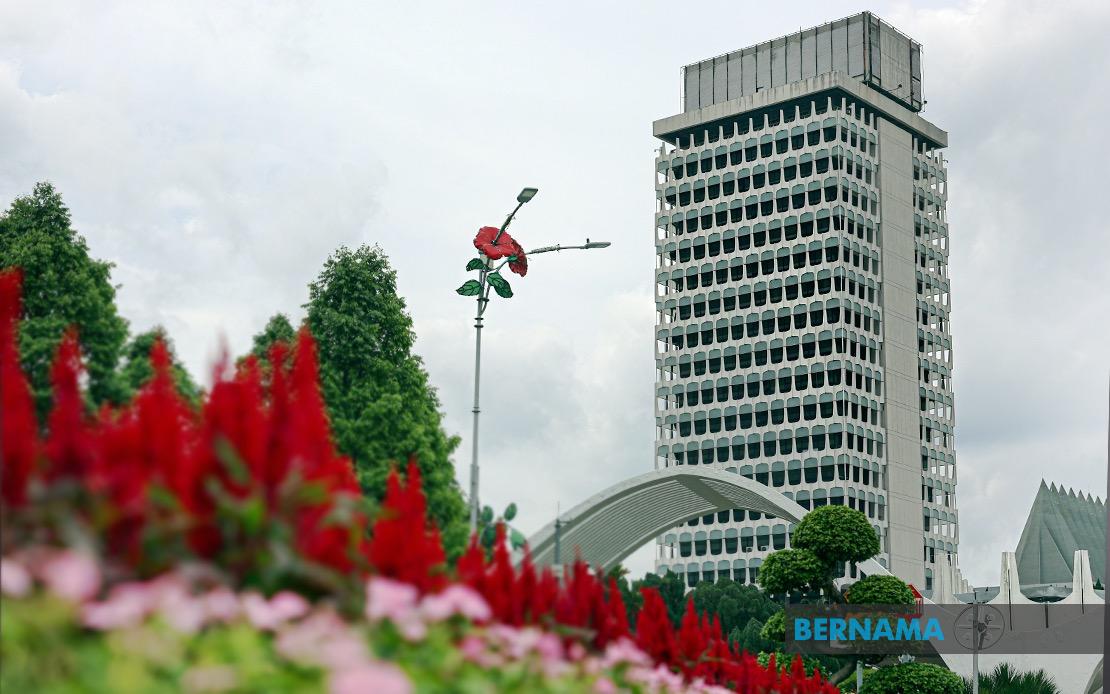
Parliament reconvenes today with attention focused on two matters with significant implications for Malaysia's regional positioning and economic wellbeing: the evolving Malaysia-Thailand Border Economic Zone and the escalating tensions affecting one of the world's most critical shipping corridors. The parliamentary sitting, which began on June 22 and continues through Thursday, will see ministers fielding questions that reflect growing concerns about both cross-border development and maritime security vulnerabilities.
The Malaysia-Thailand Border Economic Zone represents an ambitious bilateral initiative aimed at spurring development and trade along the shared frontier. Datuk Adnan Abu Hassan, representing the Kuala Pilah constituency under the Barisan Nasional banner, will press the Prime Minister on the tangible economic returns Malaysia anticipates from this collaboration. His questioning moves beyond abstract benefits to address a crucial concern: ensuring that small and medium enterprises and communities actually residing in border areas can meaningfully participate in and profit from the zone's growth. This distinction matters enormously for rural constituencies and micro-businesses that often lack the scale and capital to compete with larger corporations in special economic arrangements.
The mechanism question Adnan raises hints at underlying anxieties about whether such zones primarily serve multinational investors and well-connected commercial interests whilst marginalising local players. Cross-border economic zones across Southeast Asia have produced mixed results, with some communities capturing substantial gains whilst others experience displacement or environmental degradation without proportional economic benefit. Malaysia's experience with previous development corridors and special zones suggests that without deliberate policy architecture and enforcement, peripheral communities risk becoming mere labour supplies rather than true beneficiaries.
Parallel to this development agenda looms a more urgent security concern: the Strait of Hormuz crisis. Datuk Rosol Wahid from Hulu Terengganu will interrogate the government's assessment of how prolonged instability in this vital waterway threatens Malaysia's political stability and economic prospects. The Strait of Hormuz ranks among the world's most consequential maritime chokepoints, with roughly one-third of seaborne traded oil transiting through its narrow passage. For Malaysia, an energy-importing nation with a trade-dependent economy, disruptions to shipping lanes or escalating regional tensions create cascading vulnerabilities affecting inflation, currency stability, and investment confidence.
The Hormuz crisis carries particular relevance for Malaysian policymakers navigating complex geopolitical alignments in the Middle East. Malaysia maintains diplomatic and economic relationships across the region, from Gulf states to Iran, and sudden escalations in tensions create difficult balancing acts. Rising shipping insurance premiums and longer alternative routes inflate costs for Malaysian importers and exporters, whilst potential involvement of regional powers could indirectly affect Malaysia's security environment. Rosol's question will probe not merely the government's risk assessment but the concrete measures being deployed to shield Malaysia's economic interests from this volatility.
Beyond these headline issues, parliament will address more domestic concerns reflecting public anxieties about road safety. Datuk Yusuf Abd Wahab, representing Tanjong Manis under the GPS banner, will question the Transport Minister about nationwide efforts against illegal highway racing. The June 1 incident in Simpang Renggam, Johor, exemplifies the deadly risks posed by street racers on public roads. This line of inquiry signals parliamentary attention to law enforcement gaps and whether existing penalties and enforcement mechanisms adequately deter dangerous behaviour or merely treat symptoms of deeper issues around youth engagement and road culture.
Following the question-and-answer sessions, parliament will progress to first readings of two significant legislative instruments. The Statistics Bill 2026, tabled by the Economy Minister, will modernise Malaysia's statistical framework, addressing data collection and use in an era of digitalisation and growing reliance on evidence-based policymaking. The National Trust Fund Bill 2026, presented by the Finance Minister, proposes new governance structures for accumulated reserves and endowments, reflecting evolving thinking about sovereign wealth management and intergenerational asset preservation. Both bills carry implications extending beyond technical administration into broader questions of transparency, public accountability, and strategic resource allocation.
Most notably, Minister in the Prime Minister's Department Datuk Seri Azalina Othman Said will table the Parliamentary Special Select Committee's report on constitutional amendments regarding the separation of the Attorney General and Public Prosecutor roles. This represents a substantive institutional reform following intensive committee deliberations involving seven meetings. The refinements, according to Azalina's recent statement, target enhanced independence, integrity, and accountability within the prosecutorial institution. This structural separation addresses longstanding governance debates about the wisdom of concentrating chief law officer and prosecutor roles, a combination that critics argue creates conflicts of interest and threatens prosecutorial impartiality.
The reform reflects international best practices and recommendations from governance specialists who contend that effective democratic societies require robust separation between legal advice functions and prosecution powers. By disaggregating these roles, the proposed amendment aims to insulate prosecution decisions from political or executive pressure whilst ensuring that legal counsel to government operates with genuine independence. For Malaysia's institutional architecture, such reforms carry weight beyond procedural convenience, touching questions of rule of law integrity and public confidence in judicial institutions that remain subjects of sustained domestic and international scrutiny.
The convergence of these issues—regional economic cooperation, maritime security, road safety, legislative modernisation, and constitutional reform—illustrates the multifaceted agenda confronting contemporary Malaysian governance. Parliamentary sessions serve as crucial forums for scrutinising executive actions and probing policy direction across diverse domains simultaneously. Today's sitting demonstrates how international crises, cross-border development initiatives, domestic safety concerns, and institutional reforms all demand attention within compressed parliamentary calendars, reflecting the complexity of managing a trading nation embedded within a volatile region whilst attending to domestic governance challenges.

