The Malaysian government has set its sights on a substantial expansion of public recreation infrastructure, announcing plans to construct at least 1,000 MADANI Recreational Parks nationwide by 2030. This initiative reflects a broader commitment to enhancing quality of life and fostering community engagement through accessible outdoor spaces. According to Mansor Mohamad, director-general of the National Landscape Department, the programme represents a deliberate effort to distribute modern recreational facilities across residential areas and communities, ensuring that all Malaysians have convenient access to these amenities regardless of where they live.
Progress on the initiative has been steady, with 216 MADANI Recreational Parks already completed by 2025. The momentum is accelerating, as construction of an additional 100 parks is underway during 2025 alone, demonstrating a significant annual delivery rate. If this pace is maintained, the government appears on track to achieve its 2030 target, though the scale of investment required remains substantial. The financial commitment involved is considerable, with each park requiring between RM400,000 and RM500,000 to construct, depending on site dimensions and specific design specifications. This cost structure suggests the total investment for all 1,000 parks could exceed RM400 million, a significant allocation for public infrastructure development.
A distinctive feature of the MADANI park programme is its emphasis on inclusive design principles. Rather than creating recreational spaces for a narrow demographic, the parks incorporate universal design concepts that accommodate people across the entire age spectrum and ability range. This means the facilities serve children and teenagers, working-age adults, elderly residents, and crucially, persons with disabilities who often find conventional recreational spaces inadequate for their needs. By integrating accessibility from the outset rather than retrofitting it later, the government is signalling a shift in how public spaces should be conceptualised and developed across the country.
The strategic placement of these parks within communities and residential areas is deliberate. Rather than concentrating recreational facilities in city centres or tourist zones, the MADANI programme prioritises neighbourhood-level infrastructure. This approach addresses a genuine gap in Malaysian urban and suburban planning, where many residential areas lack quality outdoor recreational facilities within walking distance. Residents, particularly families and elderly persons, benefit from easier access without requiring motorised transport, which also aligns with broader public health and environmental objectives.
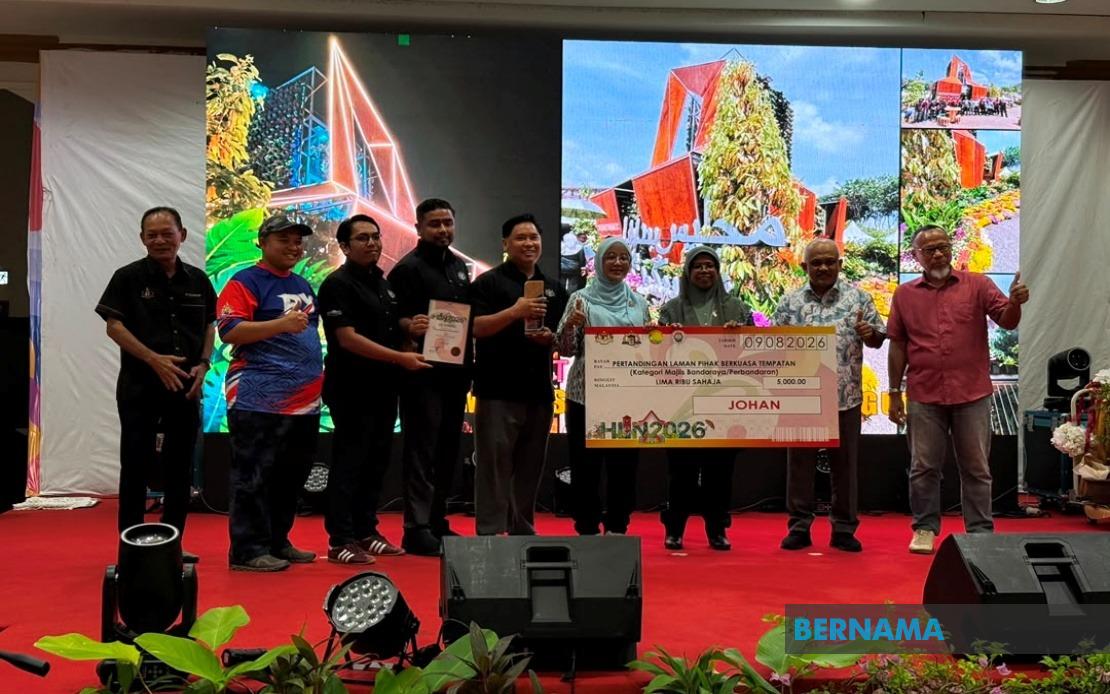
The National Landscape Day celebration in Melaka provided a platform to showcase this initiative, attracting approximately 80,000 visitors over four days. Deputy Housing and Local Government Minister Datuk Aiman Athirah Sabu officiated the event at Hang Jebat Stadium in Krubong, underlining the importance the government attaches to the programme. The celebration served multiple purposes: educating the public about the importance of landscaping and green infrastructure, providing a venue for landscape industry entrepreneurs to market their products and services, and generating momentum for the broader environmental and recreational agenda.
Beyond the immediate recreational benefits, the MADANI parks initiative has economic implications for the landscaping and construction sectors. By committing to construct 1,000 parks over the next five years, the government is effectively creating a sustained demand for design services, construction expertise, and landscape maintenance. This could stimulate employment across multiple tiers of the industry, from engineering consultants and architects to contractors, labourers, and maintenance personnel. For entrepreneurs and small-to-medium enterprises in the landscaping sector, the programme represents a significant commercial opportunity.
The naming of these facilities as MADANI parks connects them to the broader MADANI framework that emphasises prosperity, inclusivity, and wellbeing. The acronym reflects the government's vision of development that benefits all segments of society rather than privileged few. In this context, recreational parks become more than just amenities; they represent an investment in social cohesion and mental health. Research consistently demonstrates that access to quality green spaces improves physical health outcomes, reduces stress, and strengthens community bonds, particularly in increasingly urbanised and densely populated areas.
For Malaysian readers, particularly those in smaller towns and suburban areas that have been historically underserved by recreational infrastructure, this initiative offers tangible improvements to daily life. Families will have safe, accessible venues for weekend activities without travelling far. Elderly residents will benefit from outdoor spaces designed to accommodate their mobility needs. Children will have designated play areas in their neighbourhoods. Persons with disabilities will access facilities specifically designed with their requirements in mind, rather than navigating barriers in conventional parks.
The government's commitment to identifying suitable locations and gathering stakeholder feedback for next year's National Landscape Day celebration suggests that planning for the MADANI parks programme will remain dynamic and responsive to community input. This approach increases the likelihood that future parks will meet actual local needs rather than generic specifications. However, the long-term success of the initiative will depend not only on construction but on adequate maintenance and management of completed parks to ensure they remain functional, safe, and attractive for users.
The 1,000 MADANI parks target by 2030 reflects an ambitious vision for recreational infrastructure development in Malaysia. With 216 parks completed and construction momentum increasing, the programme appears substantively on track. The emphasis on universal design, community placement, and inclusivity distinguishes this initiative from conventional park development. For policymakers across Southeast Asia watching how Malaysia approaches public space development, the MADANI parks programme offers lessons in how recreational infrastructure can be leveraged to advance broader social and health objectives while supporting local economic activity in the construction and landscaping sectors.

