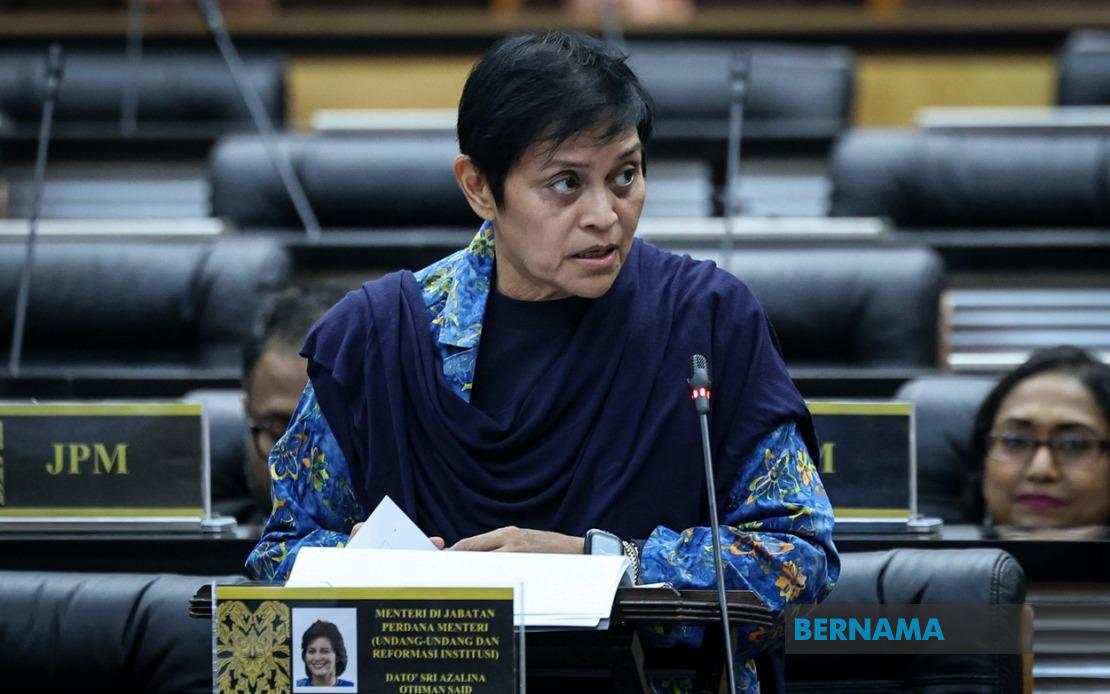
Parliament has advanced a significant overhaul of Malaysia's witness protection framework with the tabling of the Witness Protection (Amendment) Bill 2026, signalling the government's commitment to modernizing safeguards for those willing to testify in legal proceedings. Datuk Seri Azalina Othman Said, the Minister in the Prime Minister's Department responsible for Law and Institutional Reform, introduced the legislation in the Dewan Rakyat on July 13, setting the stage for its second reading during the current parliamentary sitting. The initiative represents a substantial evolution in how Malaysia approaches the delicate balance between encouraging witness cooperation and ensuring their security and wellbeing throughout and beyond their involvement in judicial processes.
At its core, the amendment addresses a critical gap in the existing Witness Protection Act 2009 by explicitly recognizing the needs of vulnerable witness populations who cannot independently navigate protective arrangements. The revised framework permits parents and guardians to initiate and manage witness protection on behalf of minors and individuals who lack the legal capacity to make such decisions themselves. This modification removes ambiguity from Clause 2, which amends subsection 7(3) of the original Act by inserting language that extends coverage to those lacking legal capacity, not merely those under eighteen years old. The distinction proves significant for Malaysian courts, which must now contend with an expanding definition of those eligible for state protection—a necessary evolution given the country's increasing emphasis on safeguarding child witnesses and persons with disabilities involved in criminal proceedings.
Formalization of the protective relationship constitutes another pillar of the legislative package. The proposed Section 10A introduces a requirement for written agreements between programme participants and relevant authorities, establishing transparent terms governing the scope of protection, the participant's reciprocal obligations, and the practical mechanisms of assistance delivery. These agreements must be executed before designated officers, creating an auditable record and reducing scope for future misunderstandings between protected witnesses and state agencies. Such contractualization reflects international best practices, particularly those developed across Commonwealth jurisdictions grappling with similar challenges around witness safety and cooperation with law enforcement.
Recognizing the psychological toll that witness participation can exact, the amendments also substantially expand the mental health dimensions of the programme. Clause 4 modifies subsection 13(2) of the 2009 Act to explicitly authorize psychological assistance and counselling services as core elements of witness protection. This addition moves beyond the conventional understanding of protection as merely physical security or relocation, acknowledging instead the trauma and anxiety that accompany involvement in criminal prosecutions—especially in high-profile cases or those involving organized crime, sexual offences, or violence. For Malaysian stakeholders in the criminal justice system, this represents a tacit admission that earlier frameworks, while operationally sound, had neglected the holistic wellbeing of participants. The inclusion of structured psychological support may prove particularly valuable in encouraging vulnerable witnesses to come forward in cases where fear of emotional consequences might otherwise deter testimony.
The proposed Section 10B addresses the practical challenge of transitioning existing agreements under the new legal regime. Rather than invalidating arrangements already in place between programme participants and the government, the amendment preserves their validity and ensures continuity of rights and benefits under the amended framework. This approach demonstrates legislative prudence, avoiding disruption to witnesses already enrolled in protective schemes while extending enhanced protections and services to them prospectively. The provision also reflects administrative pragmatism, recognizing that abrupt termination and re-negotiation of existing agreements would generate unnecessary bureaucratic friction and potentially jeopardize the security of current participants.
For Malaysia's criminal justice apparatus, these amendments arrive at a particularly consequential juncture. As organized crime networks grow increasingly sophisticated and transnational in character, the willingness of witnesses to testify often determines prosecutorial success. Enhanced protections and support services function as powerful incentives for cooperation, particularly among individuals embedded in criminal environments where retaliation fears run highest. The psychological support provisions acknowledge this reality explicitly, offering tools to address the profound anxiety that accompanies cooperation with authorities. Nations across Southeast Asia have observed that comprehensive witness protection regimes correlate with higher prosecution rates for serious crimes, suggesting that Malaysia's expansion of this programme may yield measurable improvements in judicial outcomes across multiple crime categories.
The legislative initiative also reflects Malaysia's evolving alignment with international standards for witness safety. Many Commonwealth nations and jurisdictions within ASEAN have progressively strengthened witness protection statutes, recognizing that effective criminal prosecution increasingly depends on forensic cooperation and eyewitness testimony rather than confessions or circumstantial evidence alone. By introducing psychological dimensions and formalizing agreements, Malaysia positions itself within the contemporary mainstream of witness protection jurisprudence, potentially facilitating cooperation with foreign law enforcement agencies that increasingly expect Malaysian counterparts to maintain comparable safeguarding standards. This harmonization carries particular significance given Malaysia's role in regional anti-trafficking and anti-narcotics operations, where cross-border witness coordination proves essential.
For legal practitioners and civil society organizations focusing on access to justice, the amendments present opportunities and challenges in equal measure. The expansion of representation rights for guardians of vulnerable witnesses may substantially increase participation among groups historically underrepresented in prosecutions—children, persons with intellectual disabilities, and the elderly. However, implementation will require careful regulatory guidance to ensure that guardians do not inadvertently compromise witness credibility or independence through intrusive management of their protégé's involvement. Courts will need to develop jurisprudence around the appropriate boundaries of parental authority in witness protection contexts, balancing the legitimate interests of vulnerable persons against the independence criteria that underpin testimonial weight in adversarial proceedings.
The psychological support provisions similarly invite implementation complexity. Malaysia will need to establish or expand access to qualified mental health professionals with experience in trauma associated with criminal proceedings and witness relocation. Rural areas and smaller states may face particular challenges in accessing such expertise, potentially creating geographic disparities in service delivery. Additionally, criminal defence counsel may raise questions about the potential impact of psychological interventions on witness memory and the admissibility of testimony provided by witnesses receiving therapeutic support during ongoing proceedings. Courts will require guidance on these novel evidentiary questions as the amended Act takes effect.
The tabling of this Bill signals that Malaysia's government views witness protection as a long-term institutional priority meriting substantial legislative investment. The second reading debate will likely probe implementation timelines, budgetary allocations, and interagency coordination mechanisms between the Attorney General's Chambers, the Royal Malaysian Police, and other enforcement agencies responsible for administering the programme. Parliamentary scrutiny should extend to the adequacy of protections for witnesses who refuse continued participation, the confidentiality safeguards applicable to psychological records, and the legal remedies available to participants whose agreements are breached. These details, though procedural in appearance, will ultimately determine whether the legislative framework translates into meaningful improvements in witness safety and cooperation rates across Malaysia's criminal justice system.

