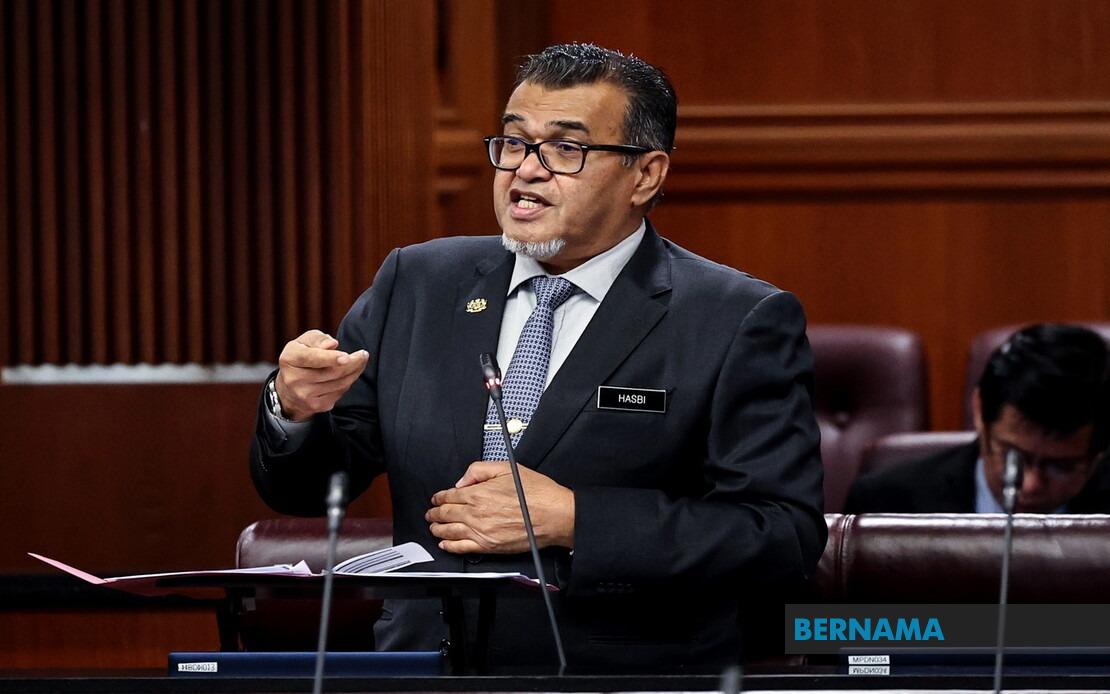
The Malaysian government is moving to significantly strengthen its legal framework protecting railway infrastructure, with Deputy Transport Minister Datuk Hasbi Habibollah disclosing plans to introduce much tougher penalties for crimes targeting rail assets. Speaking during oral questions in the Dewan Rakyat on July 2, Hasbi outlined comprehensive amendments aimed at deterring trespassing, vandalism and theft, which have plagued the nation's rail network. The legislative changes, expected to reach Parliament before year's end, represent a recognition that existing statutes have proven inadequate to address the growing sophistication and scale of organised railway crime.
The severity of Malaysia's railway security challenge becomes apparent when examining recent crime statistics presented in Parliament. Over the past three years, authorities have logged 393 separate incidents of cable theft alone, involving the loss of nearly 20,000 metres of copper and aluminium conductor material valued at approximately RM16.3 million. This figure underscores not merely financial harm to the railway operator but critical infrastructure vulnerabilities that could potentially disrupt passenger and freight services affecting the broader economy. The incidents represent a persistent drain on resources and highlight criminal networks that have adapted to exploit perceived weaknesses in both enforcement and legal consequences.
Central to the government's frustration is the recognised inadequacy of current penalty structures. Trespassing onto railway property, a gateway offence that frequently precedes more serious crimes, carries maximum penalties ranging from RM500 to RM1,000—amounts so modest that they fail to deter determined criminals operating within organised syndicates. By contrast, cable theft cases with security implications will face substantially elevated punishments under the amended legislation, signalling government determination to make the activity economically unviable for criminal organisations. This escalation reflects lessons learned from enforcement experience and acknowledges that minor fines simply represent a cost of doing business for organised crime groups.
Beyond legislative reform, the government has embarked on a multifaceted operational strategy combining technology deployment with community engagement. The Railway Assets Corporation has invested RM14 million installing 1,146 artificial intelligence-powered CCTV systems across high-risk railway locations, creating a networked surveillance capability designed to detect suspicious activity in real-time and provide investigative leads to law enforcement. This technological infrastructure represents a substantial commitment to continuous monitoring and represents an evolution from traditional patrol-based security models that cannot adequately cover Malaysia's extensive rail network.
Innovative enforcement methodologies complement the fixed surveillance infrastructure. Unmanned drone operations have been introduced to provide aerial reconnaissance capabilities in remote or difficult-to-access railway corridors where ground patrols prove impractical. The deployment reflects recognition that cable thieves deliberately target sections of track far from obvious police presence, and aerial monitoring can extend enforcement reach into previously vulnerable terrain. The integration of multiple surveillance technologies creates a layered detection system intended to significantly increase the probability of intercepting criminal activity.
The government has simultaneously focused on disrupting the economic incentive structure underlying railway crime. Strategic collaboration between railway authorities and the Royal Malaysian Police encompasses systematic outreach to scrap metal dealers and recycling operators—the ultimate purchasers of stolen conductor material. By tightening controls over the informal recycling sector and creating barriers to legitimate resale of stolen goods, authorities aim to sever the market chain connecting theft to profit. This supply-chain disruption approach addresses the fact that copper and aluminium cable theft persists primarily because ready buyers exist for the raw material regardless of its provenance.
Keretapi Tanah Melayu Berhad's acquisition of 20 scrambler motorcycles for Auxiliary Police deployment demonstrates tactical adaptation to railway crime patterns. The compact, mobile vehicles enable rapid response to incident reports and facilitate high-frequency patrols through rail corridors where conventional vehicles cannot easily navigate. These motorcycles enhance enforcement presence and incident response speed in areas identified as particularly vulnerable to criminal activity. The relatively modest expenditure for this capability reflects cost-effective force multiplication focused on practical operational requirements.
The comprehensive nature of these initiatives reveals sophisticated understanding of why railway crime has persisted and proliferated. No single intervention—whether legal penalty increases, surveillance technology, or operational patrols—can independently resolve the problem. Instead, layering approaches creates multiple obstacles and disincentives. Potential offenders now face elevated legal consequences, substantially increased apprehension risk through advanced surveillance, and reduced economic viability as market outlets for stolen material tighten. This coordinated strategy represents more evolved thinking about infrastructure protection than the enforcement models of previous years.
For Malaysia's transport sector and broader economic interests, the government's initiative carries significant implications. Railway infrastructure serves as critical backbone for freight movement and urban commuting, and repeated disruption from theft-related maintenance issues undermines service reliability and increases operational costs ultimately passed to consumers. The RM16.3 million in losses quantified over three years represents direct economic leakage from the transport system, but the real cost extends to delayed goods movement, commuter inconvenience and deferred infrastructure investment. Securing the railway network therefore constitutes essential economic infrastructure protection beyond mere asset preservation.
The regional dimension of this initiative merits consideration as Southeast Asia experiences comparable railway security challenges. Malaysia's comprehensive approach—combining legislative reform, technology deployment, operational innovation and supply-chain disruption—may offer applicable models for neighbouring countries developing their own infrastructure protection strategies. The emphasis on addressing criminal market incentives rather than relying exclusively on enforcement intensity reflects modern crime prevention thinking applicable across the region's developing rail networks.
Implementation challenges remain evident, particularly regarding coordination across multiple agencies and sustained enforcement against organised criminal networks with financial resources to adapt tactics. The effectiveness of these measures will ultimately depend on consistent execution, adequate resource allocation and sustained political will over extended periods. However, the government's willingness to acknowledge legal framework inadequacies and invest substantially in technological and operational enhancements suggests realistic commitment to meaningfully addressing railway security threats that have accumulated over recent years.

