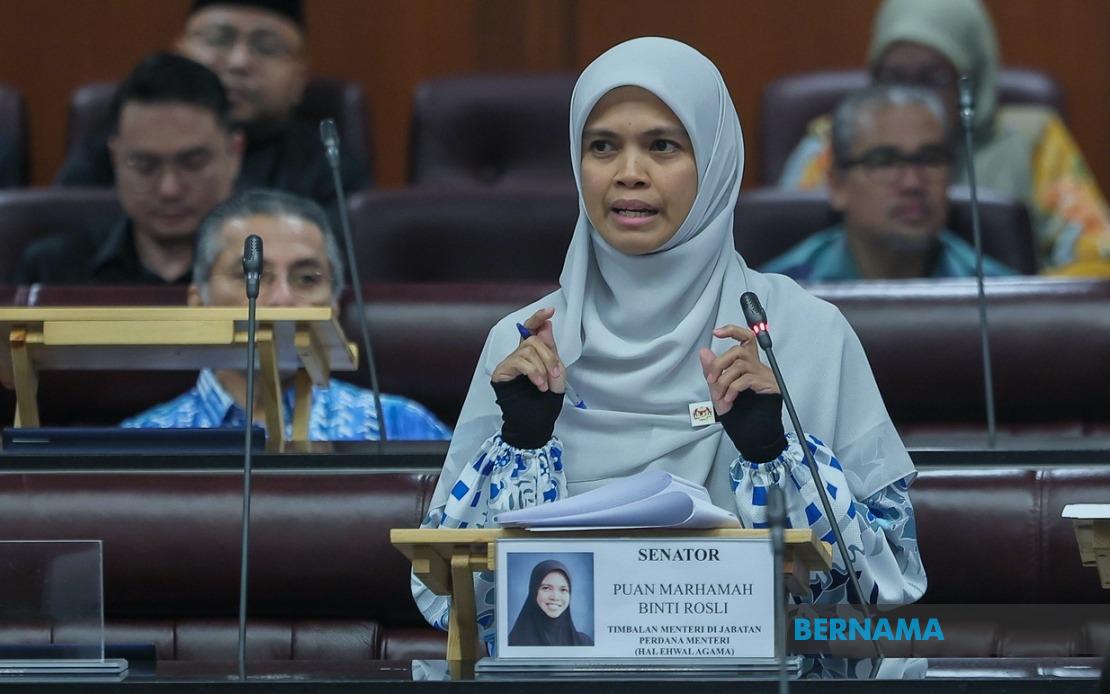
The Malaysian government has committed to a comprehensive revitalisation of Islamic education and religious engagement within Muslim Orang Asli communities across the country. Deputy Minister in the Prime Minister's Department (Religious Affairs) Marhamah Rosli outlined the dual-track approach during a parliamentary response, emphasising both immediate interventions and long-term structural reforms designed to deepen Islamic practice and knowledge among this indigenous population.
At the core of the short-term strategy lies an expansion of Fardu Ain (KAFA) classes, which provide foundational Islamic religious instruction. These daily sessions are being rolled out alongside heightened dakwah, or Islamic missionary outreach, activities timed to coincide with major Islamic celebrations throughout the year. The government recognises that such coordinated efforts can create momentum and heightened receptivity within communities, particularly when linked to significant religious occasions that already hold cultural resonance. This phased approach ensures sustained engagement rather than sporadic interventions.
Implementation of these programmes depends significantly on grassroots mobilisation through Orang Asli Community Mobilisers (PMOA), indigenous volunteers trained to bridge the gap between government initiatives and village-level receptivity. The Deputy Minister stressed that a community-centric methodology has been intensified, moving away from top-down impositions toward targeted grassroots engagement and field activities rooted in local contexts. This recognition of cultural specificity is crucial; Orang Asli communities have historically experienced development interventions imposed without adequate consultation, making collaborative approaches more likely to succeed.
Beyond classroom-based instruction, the government has institutionalised regular interpersonal outreach visits through which trained personnel deliver religious guidance, spiritual counselling, and welfare assistance directly to communities. This holistic approach acknowledges that religious development cannot be separated from material wellbeing and social support. For dispersed indigenous populations often lacking formal service infrastructure, such integrated interventions address both spiritual and practical needs simultaneously.
Coordination across multiple state and federal religious institutions underpins the strategy's ambition. The Department of Islamic Development Malaysia (JAKIM), the Islamic Dakwah Foundation Malaysia (YADIM), and state Islamic religious departments and councils have been aligned to ensure coherent, non-duplicative effort. This institutional coordination represents a significant investment in addressing previously fragmented approaches. JAKIM currently funds allowances for 13 administrative assistants stationed in Orang Asli villages specifically to conduct religious classes, while 75 imams and 66 bilals—Islamic prayer leaders and call-to-prayer officials—have been recruited from within Orang Asli communities to lead worship and religious activities. This intentional localisation of religious personnel ensures cultural familiarity and reduces language barriers.
The physical infrastructure of religious practice has also received attention through surau revitalisation efforts. These small prayer halls, often under-resourced or poorly maintained, function as anchors for communal Islamic life. Federal investment in their upkeep and the professionalisation of those staffing them signals commitment to sustainability rather than episodic support. For Southeast Asian Muslims, particularly those in marginalised communities, access to dedicated prayer spaces and knowledgeable religious personnel remains fundamental to practice maintenance.
Looking beyond immediate outputs, the government has engineered a more institutionalised long-term framework centred on an integrated dakwah ecosystem. A dedicated Special Orang Asli Dakwah Unit has been formally established within JAKIM's Islamic Understanding Strengthening Branch, working in tandem with the Du'at Development Division. This specialised unit marks recognition that Orang Asli Islamic engagement requires tailored strategies distinct from general population dakwah. The unit's responsibilities encompass coordination, programme strengthening, and effectiveness improvement—functions that suggest a learning orientation rather than assumption of static best practices.
The human capital underlying these efforts has expanded substantially. Seven PMOA coordinators oversee the work of 243 community mobilisers recruited under JAKIM, creating a tiered leadership structure. Additionally, ten Orang Asli have been integrated into the coordination system itself, not merely as programme participants but as decision-makers shaping implementation. This advancement of indigenous representation within the religious bureaucracy represents modest but genuine power-sharing, moving beyond paternalistic models toward shared institutional ownership.
Regional context heightens the significance of these initiatives. Across Southeast Asia, indigenous and marginalised Muslim populations often experience lower religious practice compliance and limited access to formal Islamic education. Malaysia's systematic approach—combining resource investment, institutional coordination, localised implementation, and indigenous leadership development—offers a model with potential applicability elsewhere in the region. The integration of economic support (stipends for assistants), human development (imam and bilal recruitment), and cultural respect (community mobilisers, grassroots engagement) acknowledges that religious practice flourishes within ecosystems of material and social stability.
Monitoring effectiveness remains crucial to programme sustainability. The Deputy Minister indicated that placement of PMOAs and Orang Asli representatives within the coordination structure itself generates feedback mechanisms and accountability. However, the government's response to specific evaluation questions was incomplete in the parliamentary record, suggesting that measurement frameworks and performance indicators may still be under development. For Malaysian policymakers and regional observers, the clarity of evaluation standards will determine whether these initiatives generate replicable best practices or remain ad hoc investments subject to political fluctuation.
The trajectory outlined reflects broader government priorities of religious strengthening among underserved populations, particularly indigenous minorities. For Orang Asli Muslim communities dispersed across remote areas with limited access to formal religious infrastructure, these coordinated efforts represent tangible expansion of educational and spiritual resources. Success will depend not merely on programme design but on sustained political commitment and sufficient resource allocation across electoral cycles. The appointment of dedicated units, recruitment of community-based personnel, and integration of indigenous representation suggest institutional embedding that may prove more durable than purely discretionary interventions.

