Malaysia is moving to substantially strengthen its management of foreign worker recruitment from Bangladesh, one of the nation's most significant sources of overseas labour, following commitments made during high-level bilateral discussions this week. The Ministry of Human Resources, known as KESUMA, has announced its determination to implement more rigorous oversight mechanisms that prioritise transparency, fairness and ethical conduct throughout the entire worker recruitment pipeline. This undertaking reflects mutual acknowledgment between Kuala Lumpur and Dhaka that the current operating environment demands institutional upgrades to protect migrant interests whilst supporting Malaysia's continuing economic development goals.
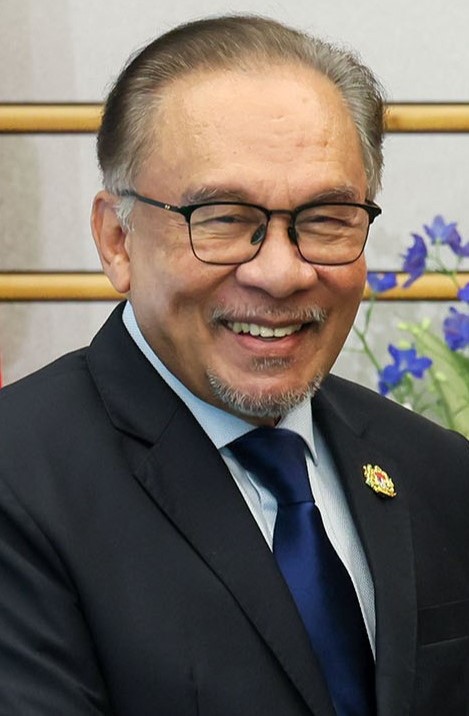
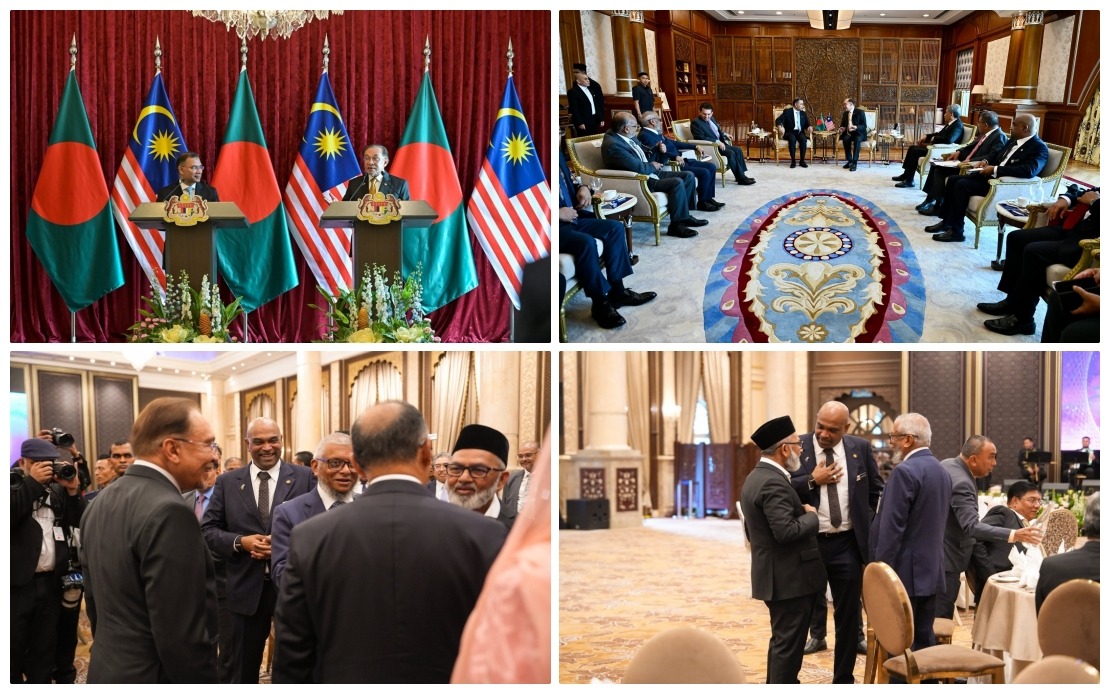
During a bilateral meeting in Putrajaya, Prime Minister Datuk Seri Anwar Ibrahim and Bangladeshi Prime Minister Tarique Rahman agreed to establish a Joint Working Group tasked with comprehensively evaluating existing bilateral arrangements and preparing an updated framework suited to present-day requirements. The JWG represents a structured mechanism through which both governments can systematically address gaps in worker protection, streamline administrative procedures, and align recruitment standards with international best practices. The formation of this group signals recognition that the relationship between the two nations has matured beyond transactional labour supply arrangements into a partnership requiring ongoing institutional development and regular policy refinement.
Minister Datuk Seri R. Ramanan articulated KESUMA's broader vision in a statement circulated through official channels, emphasising that governance improvements must extend beyond mere procedural compliance to encompass tangible enhancements to worker welfare and safety mechanisms. The ministry recognises that Bangladesh occupies a critical position within Malaysia's foreign workforce composition, making the bilateral relationship foundational to Malaysia's ability to address sectoral labour shortages across manufacturing, construction, agriculture and domestic services. The commitment to eliminate exploitation, discrimination and unethical practices therefore carries both humanitarian weight and practical economic significance for Malaysia's sustained competitiveness.
The timing of these announcements coincides with Tarique Rahman's inaugural official bilateral visit abroad since assuming office in February, underscoring Bangladesh's strategic importance within Malaysia's diplomatic and economic architecture. The decision to prioritise this partnership during the new Bangladeshi administration's earliest international engagements signals Malaysia's determination to establish strong institutional foundations with Dhaka's leadership from the outset. This proactive engagement positions Malaysia favourably to shape the parameters of bilateral labour cooperation during a critical period when Bangladesh's new government is establishing its foreign policy priorities.
Cooperation in human resource governance between the two nations extends beyond worker recruitment to encompass broader dimensions of occupational welfare and social protection. By strengthening mechanisms designed to guarantee worker safety, rights protection and fair compensation, both countries aspire to create recruitment ecosystems where migration becomes genuinely mutually beneficial rather than primarily wealth-extractive for intermediaries. For Bangladesh, enhanced governance frameworks provide assurances that its nationals working abroad receive appropriate treatment and legal protection. For Malaysia, improved recruitment processes reduce risks associated with irregular labour practices, labour trafficking networks and workplace exploitation, which generate legal exposure and reputational costs.
The establishment of an updated Memorandum of Understanding represents the tangible institutional outcome of these bilateral discussions. The existing MoU, whilst historically important in formalising the bilateral relationship, requires updating to reflect contemporary challenges including digital verification systems, skills certification standards and provisions addressing the shifting sectoral composition of Malaysian labour demand. The new MoU will likely incorporate enhanced complaint mechanisms, clearer dispute resolution pathways and stronger enforcement provisions applicable to both recruiting agents and employers within Malaysia's territory.
For Malaysian employers across labour-intensive sectors, these governance enhancements carry significant implications. Strengthened recruitment oversight, whilst potentially increasing short-term administrative burdens and compliance costs, ultimately protects businesses from legal complications arising from worker exploitation allegations or immigration violations. Companies operating in sectors dependent on Bangladeshi labour—notably construction, electronics manufacturing and palm oil processing—will need to familiarise themselves with updated requirements and ensure their recruitment practices align with renewed standards. Progressive employers may view enhanced governance frameworks as competitive advantages enabling them to access screened, properly documented workforces whilst reducing operational risks.
The Malaysian government's emphasis on eliminating unethical recruitment practices targets endemic problems within regional labour markets, including exploitative fee structures imposed by intermediaries, contract substitution, wage theft and document confiscation. These problems have attracted sustained international scrutiny from labour rights organisations and trade partners concerned about supply chain integrity and corporate social responsibility compliance. By demonstrating commitment to addressing such practices through bilateral cooperation rather than unilateral action alone, Malaysia positions itself as a responsible labour-importing nation conscious of its obligations to ensure dignified treatment of migrant workers contributing to its economic prosperity.
Bangladesh's perspective on enhanced governance frameworks reflects its substantial interests in ensuring that outbound migration generates benefits for workers, their families and the national economy without perpetuating patterns of exploitation. As a major labour-exporting nation with millions of workers employed in overseas destinations generating significant remittance flows, Bangladesh has strategic reasons to insist on higher protection standards. Stronger recruitment governance mechanisms enhance Bangladesh's capacity to verify that labour brokers operating within its jurisdiction comply with ethical standards and that workers receive accurate information about employment conditions before departure.
The regional context of this bilateral initiative warrants consideration. Throughout Southeast Asia, foreign worker recruitment remains a significant source of governance challenges, labour trafficking and worker rights violations. Malaysia's commitment to strengthening its Bangladesh labour partnership could potentially establish precedent models encouraging similar institutional improvements with other source countries including Indonesia, Vietnam, Myanmar and India. By demonstrating that rigorous bilateral governance frameworks can be negotiated and implemented successfully with Bangladesh, Malaysia may inspire comparable arrangements across its broader foreign worker recruitment portfolio.
Implementing these governance improvements will require substantial institutional capacity building within both governments, including training for recruitment officials, establishing verification systems and creating enforcement mechanisms with teeth to penalise violations. The Joint Working Group's effectiveness will depend significantly on whether both nations commit adequate resources, establish clear timelines and develop accountability mechanisms ensuring recommendations translate into operational reality rather than remaining aspirational policy statements. The success of this initiative will ultimately be measured not through institutional rhetoric but through tangible improvements in worker experiences and reduced incidence of exploitation and discrimination.