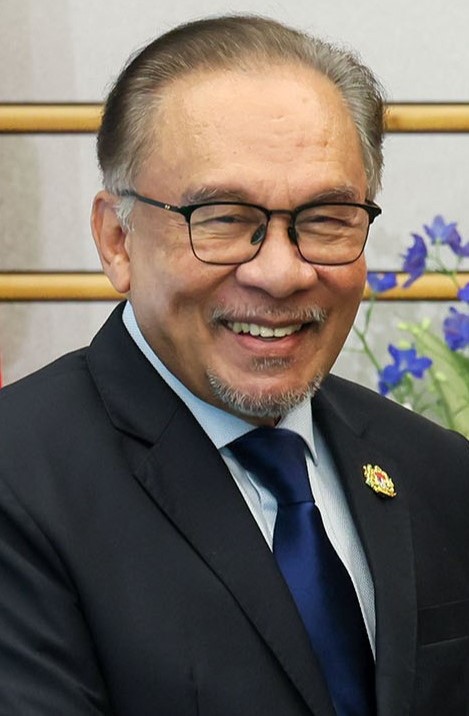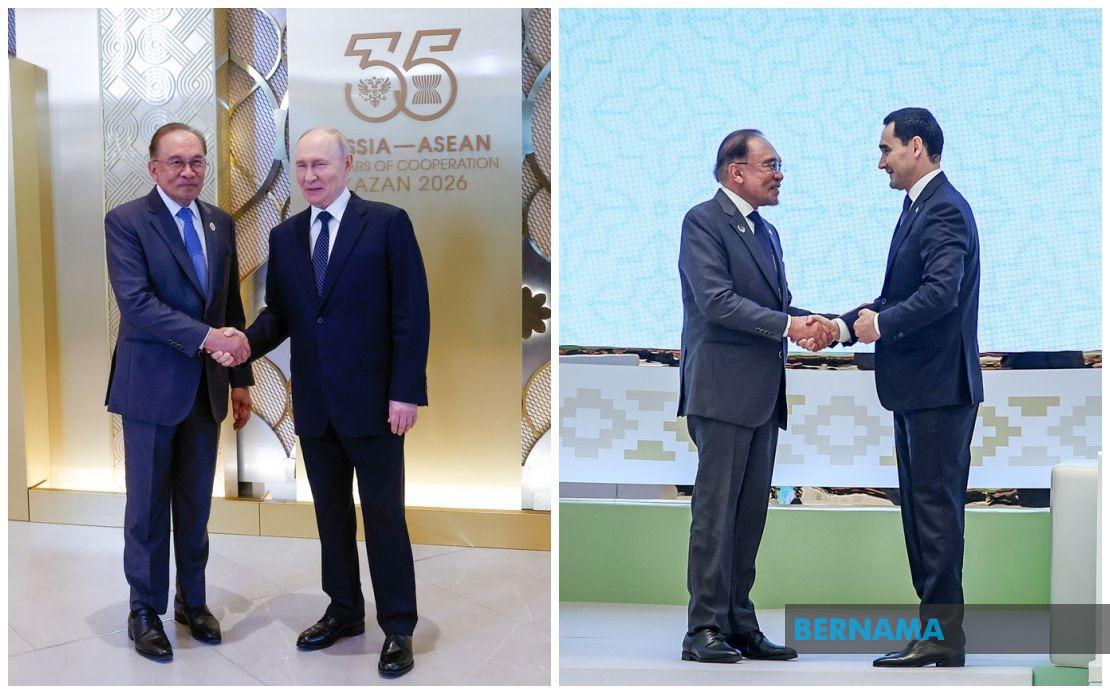
Prime Minister Datuk Seri Anwar Ibrahim's recent diplomatic missions to Russia and Turkmenistan represent a substantial advancement in Malaysia's energy security strategy and international positioning, according to senior government officials. The two-day working visit to Kazan, the capital of Russia's Republic of Tatarstan, followed by engagements in Turkmenistan, have produced commitments that directly address one of Southeast Asia's most pressing concerns: securing diversified and stable energy supplies in an increasingly volatile global market.
The Russian leg of the journey culminated in Moscow agreeing to supply Malaysia with oil and petroleum products under a long-term arrangement extending up to two decades. Housing and Local Government Minister Nga Kor Ming characterised this commitment as instrumental to Malaysia's broader energy diversification initiative, which seeks to reduce dependence on any single supplier and ensure consistent domestic supply chains. The stability provided by multi-year contracts, as opposed to the previously common practice of annual or seasonal renewals, offers Malaysian policymakers greater predictability in managing energy costs and infrastructure planning.
This supply arrangement carries particular significance for Malaysia's consumer protection framework. The government's BUDI MADANI RON95 subsidy programme, which maintains the retail price of subsidised petrol at RM1.99 per litre, relies on stable international procurement costs to remain fiscally viable over the medium term. By securing guaranteed supplies from Russia at predictable rates, the administration gains leverage to sustain this price ceiling without unsustainable budget outlays. Nga emphasised that all Malaysian households and businesses would benefit from improved energy security and the continued affordability of this essential commodity.
Equally significant is Petronas's appointment as operator of a major gas field in Turkmenistan, one of the world's largest natural gas reserves. This development represents a watershed moment for the Malaysian national oil company's global ambitions. Currently ranked 139th on the Fortune Global 500 list, Petronas could substantially improve its international standing through effective stewardship of this project. The scale of Turkmenistan's gas reserves and the complexity of the operation position this concession as a transformative opportunity for the company's revenue generation and operational scope across Central Asia.
Human Resources Minister Datuk Seri R. Ramanan underscored that Petronas's selection as operator sends a powerful signal about Malaysia's credibility in the international energy sector. The appointment reflects confidence from Turkmenistan's government in Malaysian technical expertise, project management standards, and corporate governance practices. This confidence is particularly noteworthy given the geopolitical complexities of Central Asia and the need for operators of major energy infrastructure to demonstrate both competence and reliability to host governments and international investors.
Beyond the immediate energy security gains, the Turkmenistan arrangement unlocks secondary economic opportunities for Malaysia. Ramanan noted that the gas field development could catalyse knowledge transfer and technological collaboration between Malaysian and Turkmen institutions. Skills development programmes and advanced training in subsurface engineering, production optimisation, and asset management could benefit Malaysian professionals while strengthening bilateral people-to-people connections.
The bilateral framework emerging from these visits encompasses sectors beyond hydrocarbons. Malaysia and Russia have committed to expanding cooperation in trade, investment, tourism, and technology transfer. For Malaysian exporters and investors, the enhanced diplomatic relationship provides potential access to Russian and wider Eurasian markets. Similarly, Petronas's expanded presence in Central Asia could position Malaysia as an alternative technology and service provider to regional governments seeking to develop their energy sectors independently of traditional Western suppliers.
Anwar's characterisation of these outcomes as demonstrating Malaysia's political stability and the professionalism of Malaysian enterprises reflects a strategic messaging effort aimed at international investors and partner governments. In an era when geopolitical competition between major powers influences energy infrastructure investment decisions, Malaysia's ability to navigate relationships with Russia, a nation under Western sanctions, while maintaining strong ties to Western allies requires careful diplomatic calibration. The successful conclusion of these deals suggests the government has managed this balance effectively.
The timing of these missions also reflects broader regional repositioning within Southeast Asia. As countries across the region grapple with energy transition pressures and climate commitments while maintaining economic growth, securing long-term hydrocarbon supplies requires diplomatic engagement with traditional energy producers. Malaysia's success in negotiating favourable terms with both Russia and Turkmenistan demonstrates that smaller economies can still leverage strategic positioning and institutional credibility to secure resources necessary for development.
For Petronas specifically, the Turkmenistan opportunity represents a pivot toward greater upstream involvement in regions where Western companies face regulatory or geopolitical constraints. This positioning allows the Malaysian company to diversify its portfolio geographically and operationally, reducing concentration risk and opening revenue streams that might be unavailable through other channels. The company's ability to operate effectively in Central Asian contexts could also enhance its attractiveness to other governments in the region seeking experienced operators for their hydrocarbon assets.
The energy security implications for Malaysia extend into the 2040s given the twenty-year supply agreement with Russia. This extended timeline allows Malaysian energy planners to develop infrastructure, refining capacity, and power generation facilities with confidence that feedstock will be available. The government can design long-term industrial policy knowing that energy availability will not be a limiting factor for manufacturing expansion or export-oriented development initiatives.
These diplomatic achievements also carry subtle messaging for Malaysia's ASEAN partners and other Southeast Asian nations facing similar energy security challenges. Malaysia's demonstrated ability to negotiate substantial long-term supply contracts with major producers suggests potential models for regional cooperation, whether through joint procurement initiatives or coordinated investment in energy infrastructure. As the region contemplates energy transition and diversification, Malaysia's experience navigating these negotiations becomes a reference point for policy discussions across Southeast Asia.
The Anwar administration's emphasis on these outcomes reflects confidence that improved energy security and expanded corporate opportunities abroad contribute to domestic prosperity and political legitimacy. Whether these diplomatic gains ultimately translate into sustained economic benefits will depend on effective implementation of the gas field operation in Turkmenistan and the absorption of Russian supplies into Malaysia's energy mix without disruption to existing supply relationships or domestic refining infrastructure.