The Ministry of Women, Family and Community Development (KPWKM) has launched a substantive review of the Child Act 2001 (Act 611) in response to 159 recommendations issued by the United Nations Committee on the Rights of the Child (UNCRC). The initiative represents a significant commitment by the Malaysian government to align its domestic child protection framework with international standards and contemporary best practices, addressing gaps identified during the UN body's assessment of the country's compliance with the Convention on the Rights of the Child.
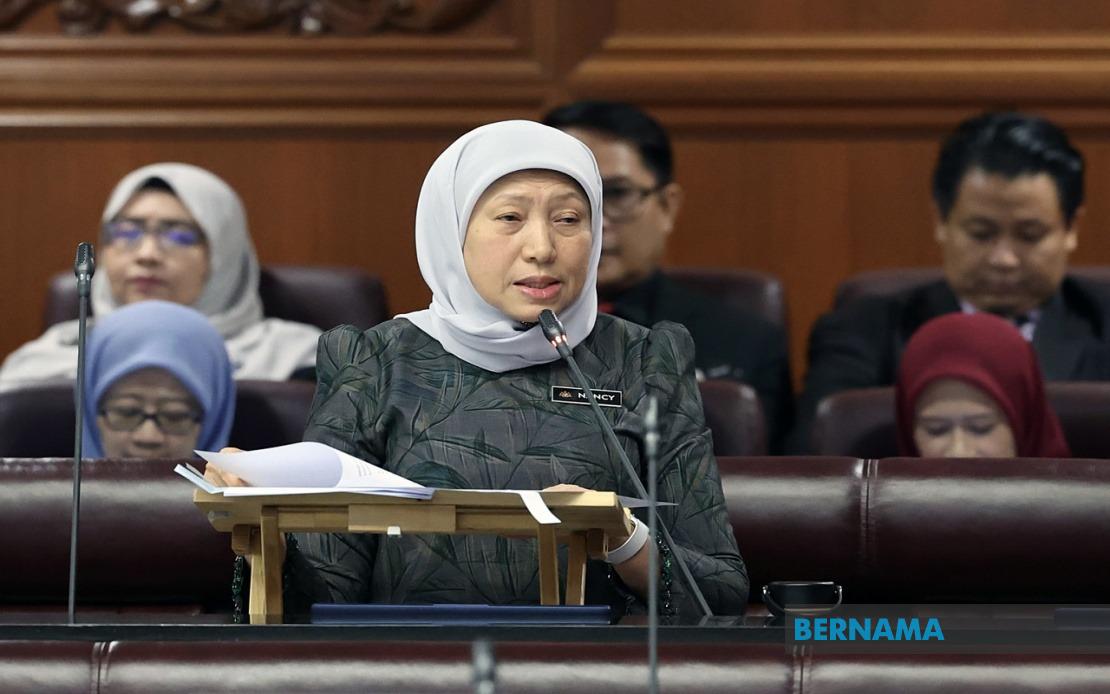
During a Dewan Negara oral question-and-answer session, Minister Datuk Seri Nancy Shukri outlined the scope and methodology of the review process. She emphasised that the Concluding Observations from the UNCRC contain wide-ranging recommendations spanning legal framework modernisation, strengthened safeguards against child abuse and exploitation, and more rigorous enforcement mechanisms to ensure children's rights are protected in practice. These recommendations provide a comprehensive roadmap for legislative and operational improvements that the ministry plans to integrate into its review work.
The minister stressed that recommendations pertaining to the legal architecture underpinning Act 611 and its practical implementation will receive careful scrutiny and be incorporated into KPWKM's ongoing reform efforts. This process extends beyond surface-level amendments, seeking to introduce enhancements designed to fortify protections for children across multiple dimensions, including their safety, care standards, rehabilitation pathways, meaningful participation in decisions affecting them, and overall wellbeing. The ministry has anchored its approach to the principle of the best interests of the child, a foundational concept in international child rights law that prioritises children's welfare above competing interests.
Crucially, Nancy clarified that the review will not operate as a siloed exercise confined to KPWKM's internal deliberations. Instead, the ministry is adopting a collaborative, multi-agency approach that incorporates substantive input and operational cooperation from other government ministries and relevant agencies. This institutional coordination reflects growing recognition that child protection transcends any single ministry's mandate and requires integrated effort across education, health, justice, law enforcement and social welfare sectors. Such horizontal collaboration is essential for identifying implementation bottlenecks and ensuring that legislative changes translate into cohesive, effective service delivery.
The minister detailed the specific dimensions of Act 611 that will be examined under the review. KPWKM will scrutinise recommendations addressing child protection mechanisms and protocols for reporting suspected abuse or neglect, procedural frameworks governing children's courts, modalities for family-based and community-centred care alternatives, rehabilitation services for vulnerable children, ongoing support systems for children exiting institutional care, and the defined responsibilities of parents, guardians and public agencies. This granular approach acknowledges that effective child protection requires attention to interconnected systems rather than isolated interventions.
Beyond legislative content, the review will consider what might be termed the governance infrastructure of child protection. This includes establishing clearer delineations of the functions, powers and accountability measures for stakeholders engaged in child case management and decision-making. In Malaysian context, where child welfare cases often involve coordination between social workers, police, judicial officers and NGOs, this clarification of roles and responsibilities promises to reduce friction and delay in service provision. The review will also prioritise mechanisms to strengthen cross-agency collaboration, acknowledging that siloed institutional responses often result in gaps where vulnerable children fall through the cracks.
Enhancing the responsiveness of interventions and services for children forms another critical pillar of the review agenda. Current service provision systems sometimes suffer from bureaucratic delays and insufficient attention to the urgent, evolving needs of children in distress. The review process will identify mechanisms to accelerate decision-making timelines, improve communication between agencies, and ensure that children receive appropriate support aligned to their particular circumstances rather than generic, one-size-fits-all protocols. Such improvements are particularly significant for marginalised or rural children who may face geographic barriers to accessing services.
The UNCRC recommendations that prompted this review reflect international concern about specific dimensions of Malaysia's child protection framework. These include addressing gaps in legal definitions of child abuse, improving investigation and prosecution of child exploitation cases, enhancing access to remedies and compensation for victimised children, and strengthening preventive measures that keep children safe within their families and communities. The 159 recommendations represent a comprehensive audit by UN experts of Malaysia's implementation record, identifying areas where practice lags behind legislative aspirations or where existing laws contain outdated provisions.
For Malaysian stakeholders—including child welfare NGOs, advocacy organisations, legal professionals and affected families—the review process opens channels for input into legislative reform. Civil society engagement in policy formulation has become increasingly important in child protection domains, where NGOs often operate frontline services and identify practical implementation barriers that government officials may not encounter directly. The consultation process associated with this review will likely involve extensive stakeholder engagement, providing opportunities for ground-level perspectives to inform legislative drafting.
The timing of this review reflects Malaysia's commitment to periodic self-assessment and continuous improvement of its child protection architecture. International law requires states to regularly examine their compliance with human rights conventions and adjust domestic frameworks accordingly. This review of Act 611 demonstrates that Malaysia is taking such obligations seriously rather than treating international recommendations as advisory suggestions. The legislative amendments emerging from this process will likely take several years to develop, consult upon and enact, but establishing clear timelines and responsible agencies will be critical for maintaining momentum.
Regionally, Malaysia's engagement with UNCRC recommendations may influence approaches adopted by neighbouring countries undertaking similar reviews. Southeast Asian states increasingly benchmark their child protection frameworks against international standards, and a comprehensive Malaysian reform process could serve as a model or spur further improvements in the region. The outcomes of this review will therefore carry significance extending beyond Malaysia's borders, contributing to broader regional progress in child protection and rights realisation.

