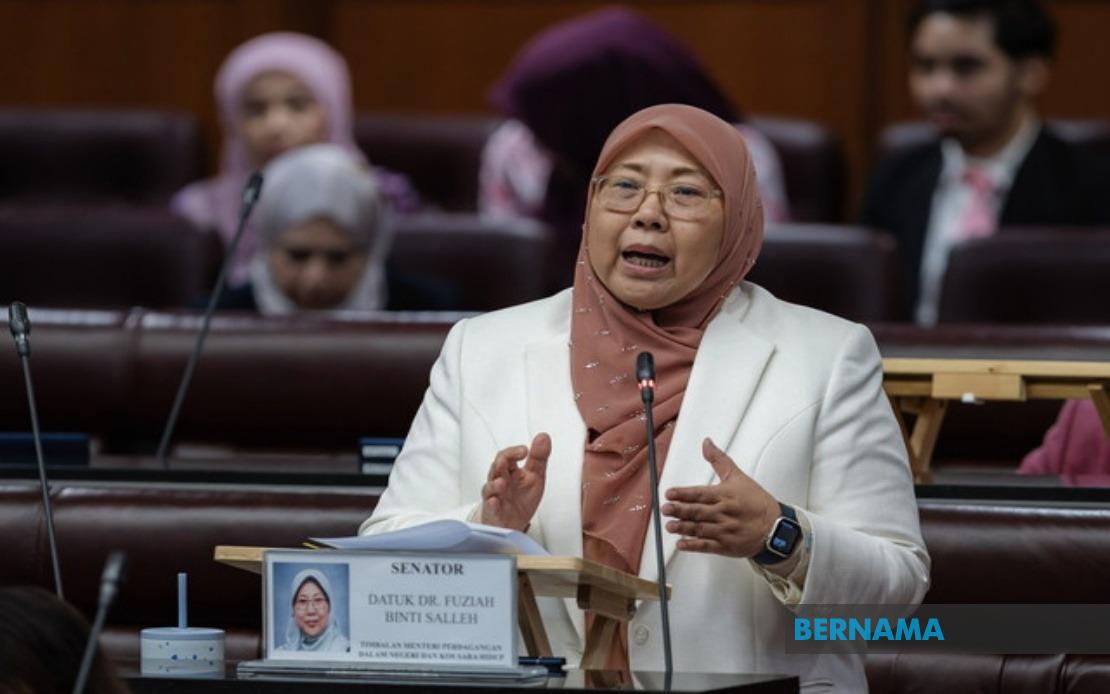
Malaysia's government has made clear that artificial intelligence developers cannot freely use copyrighted materials to train their models without explicit consent from the copyright holders, establishing a framework that could significantly affect the country's emerging AI sector. Deputy Domestic Trade and Cost of Living Minister Datuk Dr Fuziah Salleh provided the clarification during parliamentary proceedings, indicating that the nation's Copyright Act 1987 remains the governing statute for such activities regardless of whether the content is ultimately used for artificial intelligence applications or traditional purposes.
The minister's statement addresses growing concerns within Malaysia's creative industries about the unrestricted use of their work by AI companies. Under the current legal framework, any organisation seeking to incorporate copyrighted material into training datasets must first negotiate with the respective copyright owners. These arrangements can take multiple forms, including direct licensing agreements between the technology developer and content creator, formal assignment of rights, or engagement with Collective Management Organisations that represent groups of creators and manage licensing on their behalf.
Fuziah's remarks came in response to parliamentary questions about whether Malaysia's government intended to impose mandatory approval requirements for copyrighted content used in AI training. Senator Datuk Wu Him Ven had specifically inquired about the introduction of licensing and royalty mechanisms to ensure that local creative professionals receive proper financial compensation for their intellectual property. The government's position essentially confirms that such protections already exist under the existing legal framework, though implementation mechanisms remain subject to voluntary negotiation between parties.
The Copyright Act 1987's Section 27 provides the legislative foundation for these arrangements, stipulating that payment terms must be determined through agreements between the involved parties. This approach grants flexibility to copyright holders and developers to design compensation structures that reflect the specific value of the material being used. Collective Management Organisations play an important role in this ecosystem by pooling the interests of numerous creators and negotiating standardised licensing terms that smaller artists or authors might struggle to arrange independently.
One significant limitation in Malaysia's current copyright protection framework is that only works demonstrating human creativity, skill, and intellectual effort receive legal protection. Content generated entirely by artificial intelligence without substantial human creative input does not qualify for copyright protection under Malaysian law. This distinction creates an asymmetry where human creators cannot freely use AI technology to replicate copyrighted works, while the originators of AI-generated content face no copyright restrictions. The long-term implications of this asymmetry for Malaysia's creative industries remain unclear.
To date, Malaysia has experienced no reported court cases involving copyright infringement specifically related to AI technology use. This absence of litigation suggests either that AI usage of copyrighted material remains limited in the country, that disputes have been settled privately without judicial involvement, or that copyright owners have not yet mounted legal challenges. This enforcement gap stands in contrast to international jurisdictions where major lawsuits between AI companies and copyright holders have begun reshaping the sector.
The government has acknowledged that it has not yet commissioned a formal impact assessment examining how AI-generated content affects employment and income generation within Malaysia's creative industries. This represents a notable gap in policymaking, as comprehensive data on the economic consequences of AI adoption would be essential for designing targeted regulatory responses. Minister Fuziah indicated that such research remains under consideration as the government continues its deliberations on potential new policies.
Malaysia's current approach reflects a cautious strategy of studying international precedents before implementing substantial legislative changes. The government is actively engaging with various stakeholders including creative industry representatives, technology companies, and international counterparts to understand how other nations are addressing AI and copyright issues. This consultative process acknowledges that artificial intelligence technology is evolving at an unprecedented pace, making rigid regulatory frameworks risky and potentially counterproductive.
The international context reveals considerable variation in how different jurisdictions are approaching AI and copyright. Some countries have moved toward requiring AI developers to seek explicit permission and provide compensation, while others have adopted more permissive fair-use approaches. Southeast Asian nations face particular challenges in developing appropriate frameworks given the region's emerging technology sector alongside strong creative industries. Malaysia's balanced approach of maintaining existing copyright protections while studying international models suggests the government is attempting to avoid overregulation while protecting local creators' interests.
For Malaysia's technology and creative sectors, the government's position creates both clarity and continued uncertainty. Technology developers know that comprehensive datasets cannot be assembled without copyright owner cooperation, potentially slowing AI development unless licensing mechanisms become more efficient. Conversely, creative professionals have legal backing for demanding compensation, though actually enforcing those rights and negotiating agreements remains their responsibility. The absence of standardised licensing frameworks or government-facilitated negotiation mechanisms means that smaller creators may struggle to obtain fair terms.
The potential introduction of dedicated policies or legal frameworks addressing AI specifically remains contingent on the government's ongoing consultation process. Minister Fuziah's cautious language suggests that major legislative changes are not imminent, but also that policymakers recognise the need for adaptation as technology and market conditions evolve. The government's willingness to commission impact assessments and study other countries' approaches indicates recognition that current frameworks may require enhancement to remain effective and relevant.
Looking forward, Malaysia's copyright regime faces pressure from multiple directions as AI adoption accelerates. Creating clearer standards for what constitutes acceptable use of copyrighted material in AI training, establishing more efficient licensing mechanisms, and possibly introducing statutory licensing frameworks could better serve both technology developers and creative professionals. However, any new policies must balance encouraging innovation with protecting intellectual property rights, a challenge that Malaysia shares with governments worldwide as artificial intelligence reshapes the creative economy.

