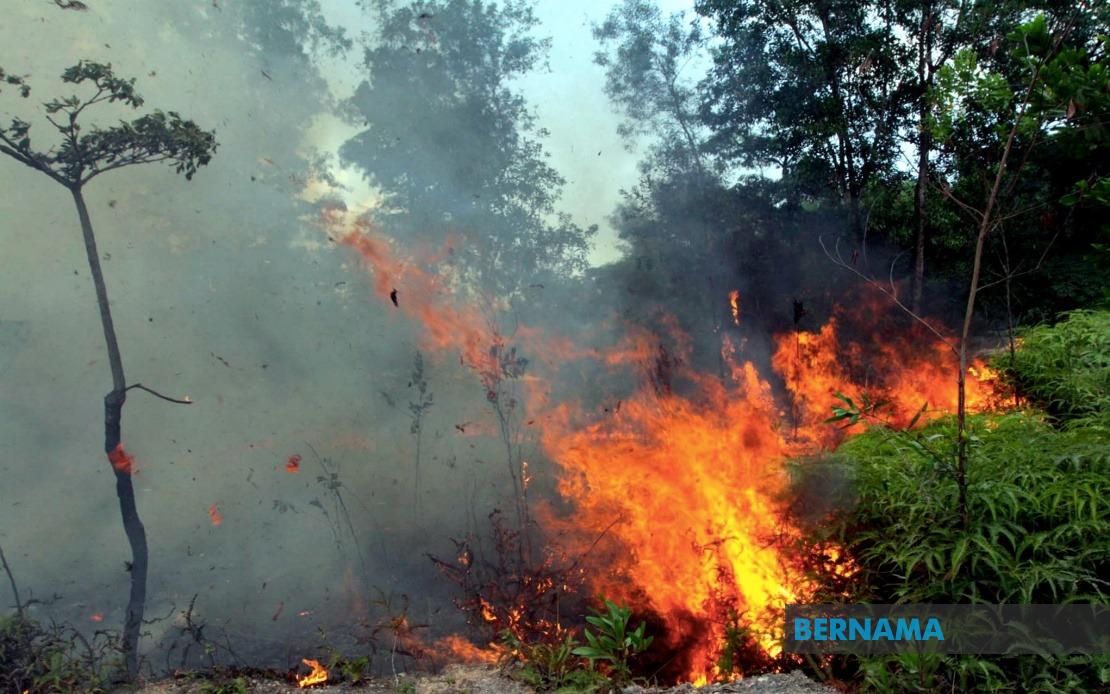
The Malaysian Fire and Rescue Department has sounded an alarm over a dramatic escalation in uncontrolled burning across the country, recording nearly 18,500 incidents in just seven months this year. The surge represents a concerning trend that has prompted the department to significantly intensify its fire prevention and response capabilities in anticipation of more severe conditions ahead.
The figures paint a troubling picture of the fire situation. From January through July 2025, JBPM documented 18,432 cases of open burning affecting forests, shrubland and waste materials across Malaysia. This represents an 85 per cent increase compared to the 9,941 cases recorded during the corresponding period in 2024, and also exceeds the 16,294 incidents logged for the same timeframe in the previous year. According to Datuk Seri Nor Hisham Mohammad, the department's director-general, this upward trajectory reflects mounting challenges in managing fires across diverse geographical and climate zones.
The geographical distribution of fire incidents reveals particularly acute vulnerabilities in East Malaysia. Sarawak has emerged as a major hotspot, with large-scale burning events actively occurring in districts including Sri Aman and Mukah. Sabah similarly demands heightened attention from fire management authorities, as its distinctive vegetation patterns and challenging terrain create ideal conditions for flames to propagate rapidly once ignited and become exceptionally difficult to suppress. Around Kota Kinabalu alone, records from 2024 identified seven locations that experienced major fire outbreaks, underscoring the concentrated nature of risk in certain regions. Peninsular Malaysia, while recording a larger volume of incidents overall, has generally experienced smaller-scale fire events, though the frequency remains concerning to authorities.
In response to these mounting pressures, JBPM has implemented a sophisticated monitoring framework targeting locations with historical patterns of open burning. The department now maintains surveillance over 183 distinct locations nationwide that have been classified as prone to open burning based on comprehensive records spanning the past five years. This represents a proactive shift toward data-driven fire prevention, moving beyond reactive responses to focus on anticipatory management of high-risk zones.
Within this broader monitoring network, the department has identified 62 locations that warrant particularly intensive oversight due to their elevated potential for large-scale conflagrations. These 62 zones present special concern because fires in these areas could potentially engulf expanses exceeding 25 hectares, creating operational challenges that stretch departmental resources thin. Such large-scale incidents complicate deployment strategies and demand rapid coordination across multiple teams, often across difficult terrain. The identification of these 62 high-risk locations allows JBPM to pre-position resources, develop contingency plans, and maintain elevated alert status during periods of heightened fire danger.
Metereological conditions have emerged as a primary driver behind the increased burning activity. Hot weather patterns in various parts of the country have created ideal conditions for fires to ignite and spread, whether through deliberate open burning practices or accidental ignition. The department attributes a significant portion of the surge to these elevated temperatures, which reduce moisture content in vegetation and accelerate fire propagation once burning begins. Understanding these weather-driven triggers remains critical to anticipating future fire seasons and preparing response mechanisms accordingly.
Beyond immediate fire suppression concerns, JBPM is preparing for potentially more severe weather patterns expected to develop during the coming months. The department is closely tracking the Super El Niño phenomenon, a significant climatic pattern anticipated to emerge in the Pacific region in November. Based on current forecasting models, the effects of this phenomenon are projected to reach Malaysian shores during the third or fourth week of January 2026. El Niño conditions typically correlate with drier weather patterns across Southeast Asia, which could substantially amplify fire risks through reduced rainfall and increased heat stress on vegetation.
The timing of this anticipated climatic shift has prompted JBPM to initiate preparatory measures months in advance. Rather than waiting for conditions to deteriorate, the department is leveraging available weather forecasts to strengthen its operational capacity, stockpile equipment and supplies, and coordinate with state-level fire agencies on resource allocation strategies. This forward-looking approach reflects lessons learned from previous fire seasons and demonstrates recognition that reactive measures alone prove insufficient when faced with large-scale burning emergencies.
The implications for Malaysia extend beyond fire suppression costs and resource allocation. Large-scale fires generate significant air pollution, creating transboundary haze that affects neighbouring countries and poses serious public health consequences for regional populations. The potential for major conflagrations to destroy critical ecosystems and biodiversity represents another long-term concern for environmental stability. Furthermore, repeated fire events in sensitive forest zones can degrade soil quality and alter vegetation composition, with cascading effects on watershed management and climate regulation functions that forests traditionally provide.
For Malaysian residents and businesses, particularly in identified high-risk zones, the escalating fire activity underscores the importance of compliance with burning regulations and participation in community-based fire prevention initiatives. Agricultural and industrial sectors that rely on land clearing through burning face increased pressure to adopt alternative methods or risk contributing to the documented surge in incidents. Meanwhile, tourism-dependent regions, especially in Sarawak and Sabah, face potential disruption if smoke from large fires degrades air quality and visibility during peak seasons.
The JBPM's intensified monitoring regime and early preparation for anticipated climatic challenges represent significant institutional efforts to mitigate fire risks. However, the sharp year-on-year increases highlight that prevention and enforcement at the source remain critical gaps. Sustained investment in public education campaigns, strengthened penalties for illegal burning, and development of sustainable land management alternatives will likely prove essential to reversing the troubling upward trend in open burning cases across Malaysian territory.

