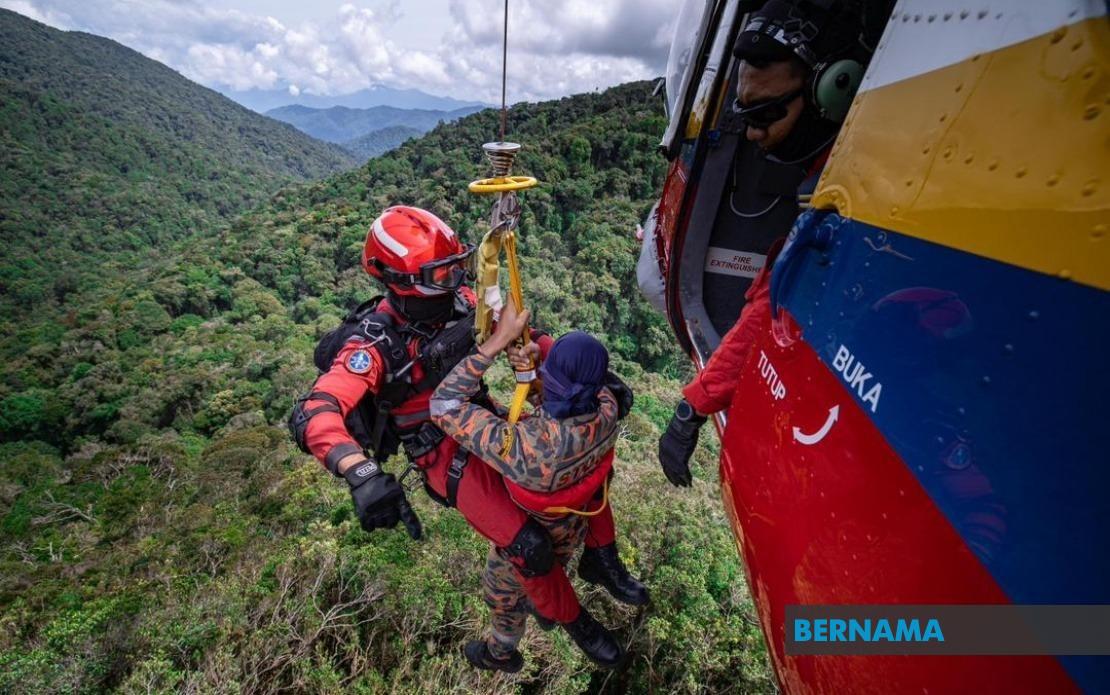
Malaysia's hiking safety crisis has reached concerning proportions, with authorities documenting 1,059 accidents claiming 63 lives over the past four years. Deputy Minister of Natural Resources and Environmental Sustainability Syed Ibrahim Syed Noh disclosed these sobering statistics to Parliament on June 23, underscoring the urgent need for systematic intervention as outdoor recreational activities gain momentum across the country. The figures, drawn from Fire and Rescue Department data, represent a troubling trend that has galvanised government action to establish robust protective frameworks.
The escalating popularity of hiking and forest recreation in Malaysia reflects broader regional trends toward wellness tourism and outdoor adventure activities. However, this growth has outpaced the development of adequate safety infrastructure, leaving hikers vulnerable to preventable accidents. The 63 fatalities represent not merely statistics but preventable tragedies that have prompted policymakers to reconsider how Malaysia manages its natural recreational spaces. The incidents span diverse causes—from inadequate trail maintenance and poor weather preparedness to emergency response delays—each highlighting systemic gaps in the current management approach.
To address these challenges systematically, the Peninsular Malaysia Forestry Department, supported by United Nations Development Programme funding, has developed the Mountain Risk Assessment and Management Guideline, or MoGRAM. This technical framework establishes standardised protocols for identifying hazards, evaluating risk levels, and determining appropriate visitor capacities for individual trails. The guideline represents a shift from ad hoc management toward evidence-based safety planning, allowing authorities to match trail difficulty and environmental conditions with hiker qualifications and group sizes. MoGRAM's implementation signals Malaysia's commitment to aligning hiking safety standards with international best practices.
Certified mountain guides have emerged as the frontline defence against accidents in high-risk areas. The government has mandated engagement of Forestry Mountain Guides across 189 designated high-risk hiking zones throughout Peninsular Malaysia. These professionals undergo rigorous certification programmes covering emergency response, route assessment, and hazard identification. To date, 2,322 individuals from local and indigenous communities have completed mountain guide training, creating employment opportunities while enhancing visitor safety. This approach recognises that certified guides possess contextual knowledge of terrain, weather patterns, and local conditions that prove invaluable during emergencies.
The integration of cutting-edge geospatial technology promises to revolutionise Malaysia's capacity to monitor and manage hiking activities. Working alongside the Malaysian Space Agency, the Peninsular Malaysia Forestry Department is developing a comprehensive hiking trail management system utilising geographic information systems and remote sensing capabilities. This technological infrastructure will enable real-time trail monitoring, sophisticated hazard mapping, and rapid identification of deteriorating conditions requiring maintenance intervention. The system transforms hiking management from reactive crisis response into proactive prevention, allowing authorities to address problems before they endanger hikers.
Currently, hiking activity registration operates through fragmented systems, with state forestry departments managing permits through manual processes or disparate online platforms reflecting Malaysia's federal structure. While this decentralised approach respects state autonomy over natural resources, it creates information silos that hamper coordinated emergency response. The government now recognises that establishing a unified national digital registration system could substantially improve safety outcomes. Such a system would create a comprehensive record of hiker movements, enabling authorities to quickly identify missing persons and mobilise search and rescue teams with precise location data and comprehensive knowledge of intended routes.
The proposed national digital platform addresses a critical vulnerability in Malaysia's current hiking infrastructure. By centralising registration data across all states, the system would facilitate seamless information sharing between state forestry departments, the Fire and Rescue Department, and emergency responders. When hikers fail to return on schedule, authorities could immediately access detailed information about their planned routes, group composition, and expected timeline, substantially accelerating search operations. The system would also generate valuable data patterns revealing accident hotspots, seasonal risks, and hiker demographic trends, informing future safety interventions.
Beyond infrastructure and technology, the government emphasises continuous professional development for mountain guides and nature guides. Regular training programmes address hiking safety protocols, risk management methodologies, first aid administration, wilderness survival techniques, and search and rescue operations. This comprehensive curriculum recognises that guide competence directly correlates with hiker safety outcomes. By investing in guide education and welfare, Malaysia acknowledges that frontline workers require ongoing skill development to manage increasingly complex scenarios involving diverse hiker populations with varying experience levels and physical capabilities.
The 63 deaths recorded since 2021 represent a demographic cross-section of Malaysian society—young adventurers, middle-aged fitness enthusiasts, and retirees seeking connection with nature. Each incident typically involves multiple contributing factors: inadequate preparation, underestimation of trail difficulty, sudden weather changes, medical emergencies, or delayed rescue response. Many deaths prove preventable through proper training, appropriate group composition, and reliable communication systems. The government's multi-layered approach—combining guide certification, trail assessment protocols, digital monitoring, and professional training—targets these preventable factors while respecting hikers' legitimate desire to explore Malaysia's remarkable natural heritage.
Regional implications extend beyond Malaysia's borders, as neighbouring Southeast Asian nations face comparable hiking safety challenges. Thailand, the Philippines, and Indonesia have experienced similar accident escalations accompanying tourism growth. Malaysia's systematic framework—particularly the MoGRAM guideline and digital registration platform—offers a model potentially adaptable throughout the region. As ASEAN nations increasingly market adventure tourism, establishing shared safety standards and information-sharing mechanisms could substantially reduce preventable fatalities across Southeast Asia.
Implementation success will require sustained commitment and resources. The government must ensure adequate funding for guide training, technology development, and trail maintenance across all high-risk areas. State forestry departments require technical capacity-building to operate the new digital systems effectively. Equally important, hiking communities must embrace registration requirements and adhere to safety guidelines. This cultural shift—viewing guides and regulations as protective rather than restrictive—remains essential for programme success.
The statistics released in Parliament serve as a watershed moment for Malaysian hiking safety. Rather than accepting accidents as inevitable costs of outdoor recreation, authorities have adopted the position that systematic intervention can substantially reduce tragedies. The combination of technical guidelines, certified professionals, advanced technology, and continuous training represents comprehensive thinking about complex safety challenges. While some hikers may resist registration requirements or guide mandates, the 63 deaths over four years demonstrate that voluntary approaches have proven insufficient. Malaysia's emerging framework, though demanding implementation resources and behavioural change, positions the nation as a regional leader in adventure tourism safety.