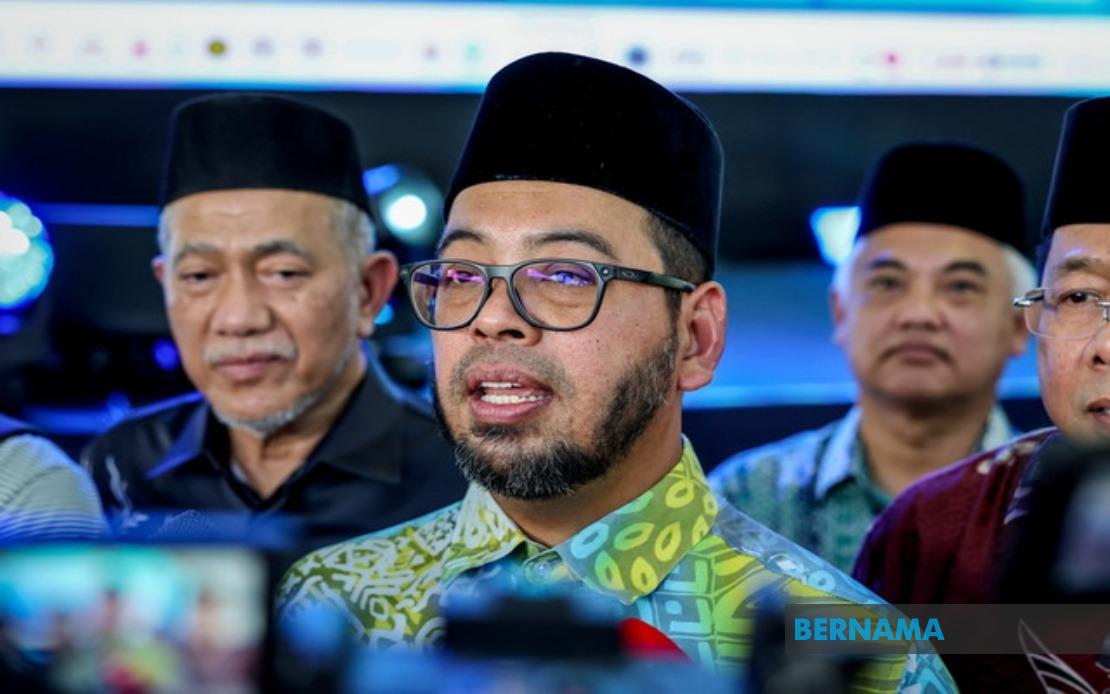
Malaysia's management of Islamic affairs continues to draw admiration from the international community, with the country establishing itself as a model for other nations seeking to strengthen their religious institutional frameworks. Dr Zulkifli Hasan, Minister in the Prime Minister's Department (Religious Affairs), emphasized this position while addressing delegates at the Northern Zone MADANI Ulama and Umara Multaqa in Bukit Mertajam on July 5, noting that empirical data and assessments from foreign scholars substantiate Malaysia's standing in this domain.
The minister's remarks come as Malaysia faces occasional domestic discourse questioning the state of religious affairs in the country. By framing the international perception of Malaysia's Islamic management, Dr Zulkifli sought to counter narratives suggesting that Islam faces marginalization or systemic threats locally. The international benchmarking serves as a counterweight to such contentions, positioning Malaysia as not merely managing but actively leading in areas where religious practice and governance intersect.
Malaysia's halal certification infrastructure, overseen by the Department of Islamic Development Malaysia (JAKIM), represents one of the nation's most visible achievements in this space. JAKIM's halal accreditation framework has become a reference point for countries developing their own certification systems, reflecting decades of institutional refinement and technical expertise. The system's credibility extends beyond Southeast Asia, with recognition from major halal markets globally, enabling Malaysian products to access international consumers with confidence in compliance standards.
The nation's Islamic finance sector exemplifies another dimension of this leadership. Malaysia has maintained its position as the world's largest Islamic finance hub for eleven consecutive years, a distinction that reflects both regulatory sophistication and market depth. The ringgit-denominated sukuk market, supported by a developed Islamic banking ecosystem, attracts global investors and positions Malaysia as a financial authority on Shariah-compliant instruments. This leadership carries economic implications for Southeast Asia, as the region increasingly looks toward Malaysian models for developing its own Islamic finance capabilities.
Managing the annual pilgrimage to Mecca through Lembaga Tabung Haji has also earned Malaysia international commendation. The institution's ability to coordinate logistics, financial services, and pastoral care for hundreds of thousands of Malaysian pilgrims has been recognized by international observers as exemplary. This role positions Malaysia as a trusted steward of one of Islam's most significant annual obligations, generating both spiritual and diplomatic goodwill.
On the educational front, Malaysia's approach to Islamic learning demonstrates institutional investment in curriculum development and standards. The KAFA 2.0 initiative represents an evolution in how Islamic education connects theological knowledge to contemporary application, moving beyond rote memorization toward practical comprehension. This pedagogical shift addresses concerns that traditional Islamic schooling may become disconnected from modern life, an issue relevant across Muslim-majority Southeast Asian nations grappling with similar curriculum challenges.
The tahfiz ecosystem Malaysia has constructed—encompassing a national council, standardized policies, recognized qualifications, and pathways for graduates into professional and tertiary education—reflects comprehensive institutional planning. Rather than treating Quranic memorization as an isolated pursuit, the framework integrates hafiz graduates into mainstream educational and professional pipelines. This approach differs markedly from contexts where tahfiz education operates in isolation, creating challenges for graduate employment and social integration.
Dr Zulkifli's emphasis on producing professional huffaz capable of contributing to national development underscores a shift in Malaysian thinking about religious expertise. The framing moves beyond preserving tradition toward harnessing Islamic scholarship for economic and social advancement, potentially appealing to young Malaysians considering religious vocations as credible career paths rather than alternatives to professional pursuits.
The Northern Zone MADANI Multaqa itself serves as a platform for dialogue between ulama and umara—religious scholars and political leaders—reflecting Malaysia's institutional approach to integrating religious and state authorities. Such forums facilitate coordination and provide channels for religious communities to engage with governance structures, a model that several Southeast Asian governments observe with interest as they navigate similar challenges of religious pluralism and institutional modernization.
Concurrently, philanthropic initiatives underscore private-sector engagement with Islamic institutional strengthening. Yayasan Takwa's contribution of RM280,000 distributed among Penang mosques and religious schools demonstrates how civil society complements government efforts in maintaining religious infrastructure. These contributions support the physical and educational fabric through which Islamic practice is transmitted, reflecting broader Malaysian approaches to religious sustainability through public-private collaboration.
The international perception Malaysia cultivates through these interconnected systems carries strategic implications for the region. As Southeast Asian nations increasingly assert themselves within global Islamic networks and seek to influence Islamic discourse at an international level, Malaysia's institutional models provide templates and establish benchmarks. For Malaysian policymakers, emphasizing international recognition reinforces domestic legitimacy while positioning the country as an authority voice in conversations about Islam and modernity, a role carrying significant soft power dividends.

