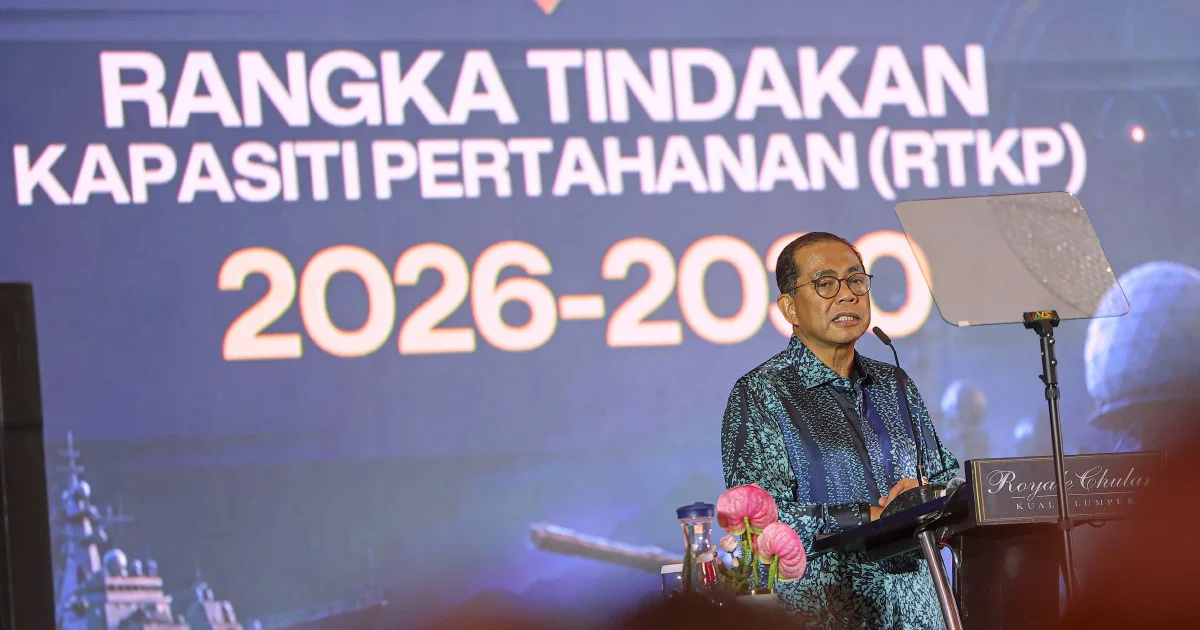
Malaysia's Defence Ministry has indicated it stands ready to engage constructively with Norway to resolve the fallout from the Scandinavian nation's decision to withdraw from a missile supply arrangement for the Littoral Combat Ship (LCS) initiative, according to Defence Minister Datuk Seri Mohamed Khaled Nordin. The statement, delivered in the capital, suggests the government will pursue dialogue rather than confrontational measures to address what represents a significant setback in a defence procurement effort that has already struggled with substantial cost overruns and project delays.
The cancellation represents a new complication in the LCS narrative, which has become one of Malaysia's most contentious defence acquisitions. The three-vessel programme, originally envisioned as a cornerstone of the Royal Malaysian Navy's modernisation strategy, has faced persistent challenges since its inception. The decision by Norway—a NATO member with advanced maritime defence capabilities—to reverse course on the weapons integration component suggests either shifting geopolitical calculations or unmet technical and financial specifications that proved untenable for the Scandinavian partner.
The missile component appears critical to the LCS's intended operational capability in Southeast Asian waters, where maritime security remains a pressing concern for Malaysia. The patrol and combat vessels were designed to address contemporary threats in regional shipping lanes and territorial waters, where piracy, smuggling, and potential state-level maritime incursions pose ongoing challenges. Without appropriate weapons systems, the LCS platforms risk being underutilised strategic investments that cannot fulfil their intended deterrent and defensive functions.
Norway's withdrawal opens several difficult questions about the broader LCS timeline and budget. The project has already absorbed considerable public resources, and defence spending remains contentious in Malaysian policy debates where education, healthcare, and infrastructure compete for fiscal allocation. The need to source alternative weapons systems—whether through other European suppliers, Asian partners, or even through domestic solutions—will likely require fresh budgetary commitments at a moment when the original fiscal envelope has already expanded dramatically.
From a diplomatic perspective, Mohamed Khaled Nordin's conciliatory approach reflects Malaysia's pragmatic foreign policy orientation. Rather than viewing the Norwegian decision as a breach or expressing public acrimony, positioning the situation as a negotiable issue preserves the relationship and maintains channels for future defence cooperation. This stance aligns with Malaysia's broader strategy of maintaining constructive ties across the Western, non-aligned, and Asian spheres simultaneously—a delicate balancing act that underpins the country's geopolitical positioning.
The timing of Norway's cancellation also warrants consideration within the European security context. NATO's expanded focus on Indo-Pacific security matters, coupled with rising concerns about Chinese maritime assertiveness, might have prompted NATO allies to reassess commitments to non-NATO partners in the region. However, Norway's withdrawal simultaneously weakens the operational effectiveness of Malaysian defence platforms, potentially complicating Malaysia's own security posture during a period of elevated regional maritime tensions.
For Malaysian defence planners, the situation underscores persistent challenges in executing large-scale military acquisition programmes. The procurement ecosystem demands coordinating complex international partnerships, managing technology transfer arrangements, and maintaining budgetary discipline across project lifecycles that often stretch beyond initial timelines. The LCS saga illustrates how external partners' strategic recalculations can disrupt domestically driven defence modernisation agendas, particularly for nations that must source advanced capabilities internationally.
The government's preparedness to resolve the matter suggests behind-the-scenes negotiations may already be underway with Norwegian officials. Alternative arrangements might include finding substitute weapons providers, renegotiating contract terms, or potentially restructuring the entire weapons integration component. Each option carries distinct implications for project costs, timelines, and the final operational specifications of the three vessels.
Looking forward, this incident may reshape how Malaysia approaches future major defence acquisitions. Enhanced due diligence on partner commitment reliability, contingency planning for supplier withdrawal, and potentially developing domestic defence industry capacity could all emerge from this experience. The LCS programme, despite its difficulties, remains important for projecting Malaysian naval presence and capability in waters where multiple regional actors compete for influence and security dominance.
Mohamed Khaled Nordin's statement represents an opening gambit in what could become protracted negotiations with Norway and potentially other international stakeholders. Malaysia's defence establishment will need to balance its public commitment to resolving the issue against realistic assessments of what alternatives exist and what additional resources resolution might demand. The path forward will test Malaysia's diplomatic skills and its capacity to salvage strategic value from a programme that has already tested the patience of policymakers and taxpayers alike.

