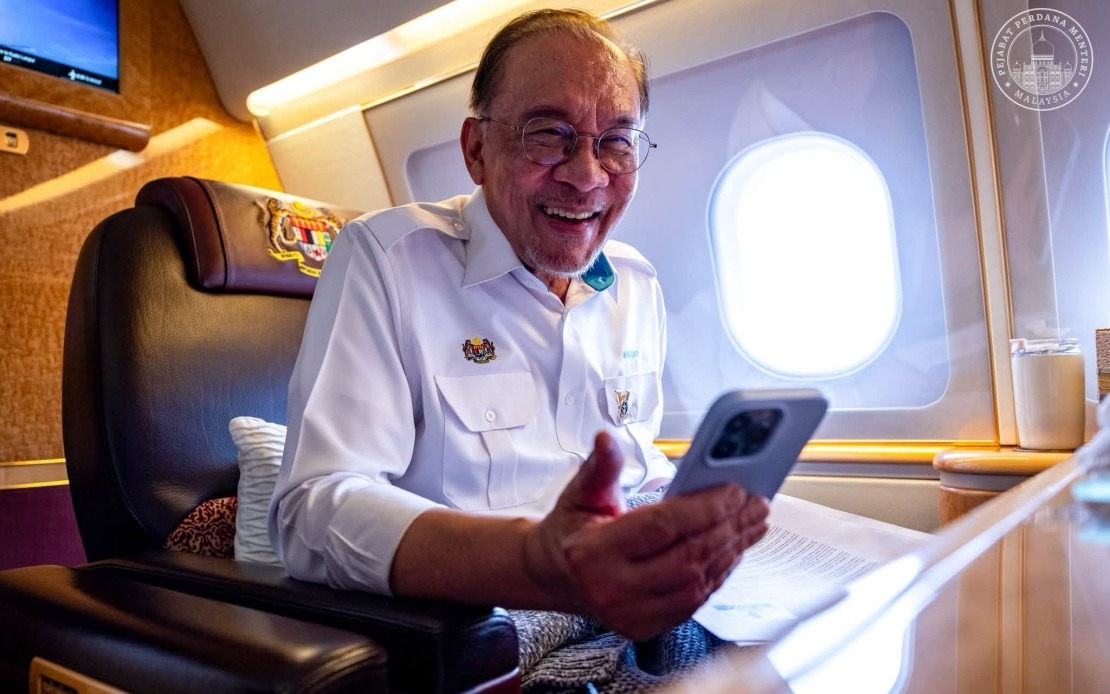
Prime Minister Datuk Seri Anwar Ibrahim confirmed on July 26 that Malaysia will stage the Formula 1 Gulf Air Bahrain Grand Prix at Sepang International Circuit (SIC) from October 2 to 4, representing a significant moment for Malaysian motorsport following nearly a decade without hosting the world's premier racing series. The decision to hold the event in Malaysia reflects a growing partnership between Kuala Lumpur and Manama, with the initiative showcasing Malaysia's capacity to organise events of international calibre.
The arrangement itself represents an unusual arrangement within Formula 1's traditional calendar structure. Rather than Bahrain hosting its own Grand Prix domestically, the Kingdom has opted to conduct the race at Malaysia's premier circuit facility. This collaboration underscores both nations' commitment to deepening bilateral relations beyond conventional diplomatic channels, with major sporting events serving as platforms for regional cooperation and cultural exchange.
Anwar emphasised the significance of this partnership during discussions with Bahrain's Crown Prince and Prime Minister Prince Salman Hamad Al Khalifa, as well as with F1 president and chief executive officer Stefano Domenicali. The Prime Minister characterised the engagement as reflective of enduring bonds between the two countries, noting that Malaysia views the hosting arrangement as a demonstration of institutional confidence from both the Kingdom of Bahrain and the sport's governing bodies.
The return of Formula 1 to Malaysian soil carries substantial symbolic weight for the nation's sporting identity. The Sepang International Circuit, located south of Kuala Lumpur, was a fixture on the F1 calendar for nearly two decades before the Malaysian Grand Prix was discontinued. The facility has undergone considerable modernisation and infrastructure improvements since its last F1 event, positioning it to meet the exacting standards demanded by contemporary international motorsport.
For Malaysia, this hosting opportunity provides a platform to demonstrate operational excellence and organisational capability on the global stage. The country's track record in managing large-scale international events—from hosting major sporting tournaments to significant political gatherings—positions it well to execute a high-profile Formula 1 race. The Malaysian government is banking on the event to generate economic activity through tourism, hospitality services, and media coverage that extends far beyond the three-day racing weekend.
The bilateral dimension of this arrangement merits closer examination. Bahrain, despite possessing its own racing circuit with established F1 infrastructure, elected to conduct this particular Grand Prix in Malaysia. This decision likely reflects strategic considerations around scheduling, circuit preferences, or commercial partnerships, though the precise technical reasoning remains unclear. For Malaysia, it represents an unexpected opportunity to reclaim its position within the F1 ecosystem without the burden of necessarily organising an indefinite annual commitment.
Anwar's rhetoric surrounding the event emphasised showcasing Malaysia's hospitality and infrastructure capabilities. The messaging targets both international visitors and domestic audiences, positioning the nation as a venue that can rival established motorsport destinations in Southeast Asia and beyond. The anticipated visitor numbers from across the region could provide measurable economic benefits to tourism-dependent sectors in the Klang Valley and greater Selangor region.
From a geopolitical perspective, strengthening ties with the Gulf Cooperation Council states aligns with Malaysia's broader foreign policy objectives of diversifying partnerships and maintaining strong relationships across multiple regions. Bahrain's position as a strategic partner in the Middle East makes this collaboration valuable beyond mere sporting merit. The event becomes a vehicle for demonstrating Malaysia's reliability and capability as a partner nation capable of delivering results on matters of joint importance.
The technical and logistical demands of hosting a Formula 1 Grand Prix remain substantial. The SIC must accommodate thousands of team personnel, media representatives, officials, and spectators within a tightly choreographed schedule. Circuit modifications, safety installations, and operational procedures must align precisely with FIA specifications. The Malaysian government, working alongside circuit operators and F1 officials, will need to coordinate extensively across multiple agencies to ensure seamless execution.
Economically, the race weekend carries multiplier effects throughout Malaysia's service sector. Hotels, restaurants, transportation providers, and entertainment venues across the Klang Valley region stand to benefit from the influx of international visitors over the October dates. Local businesses catering to the motorsport industry may experience heightened activity. The media footprint of a Formula 1 event—reaching hundreds of millions of viewers globally—provides publicity value that extends far beyond the immediate race location.
The return also carries broader implications for motorsport development in Malaysia and the wider Southeast Asian region. Hosting an elite international event signals investor confidence and can stimulate interest in grassroots racing programs. The visibility may encourage technological development within local automotive and engineering sectors, positioning Malaysia as a credible hub for high-performance industries.
Looking forward, the success of this October event could influence discussions about Malaysia's longer-term role within the F1 calendar. While the current arrangement appears specifically tailored to Bahrain's requirements, a well-executed race could reignite conversations about Malaysia hosting its own designated Grand Prix on a regular basis. For a nation that once boasted a beloved annual F1 fixture, such restoration would represent a restoration of sporting prestige and international standing.

