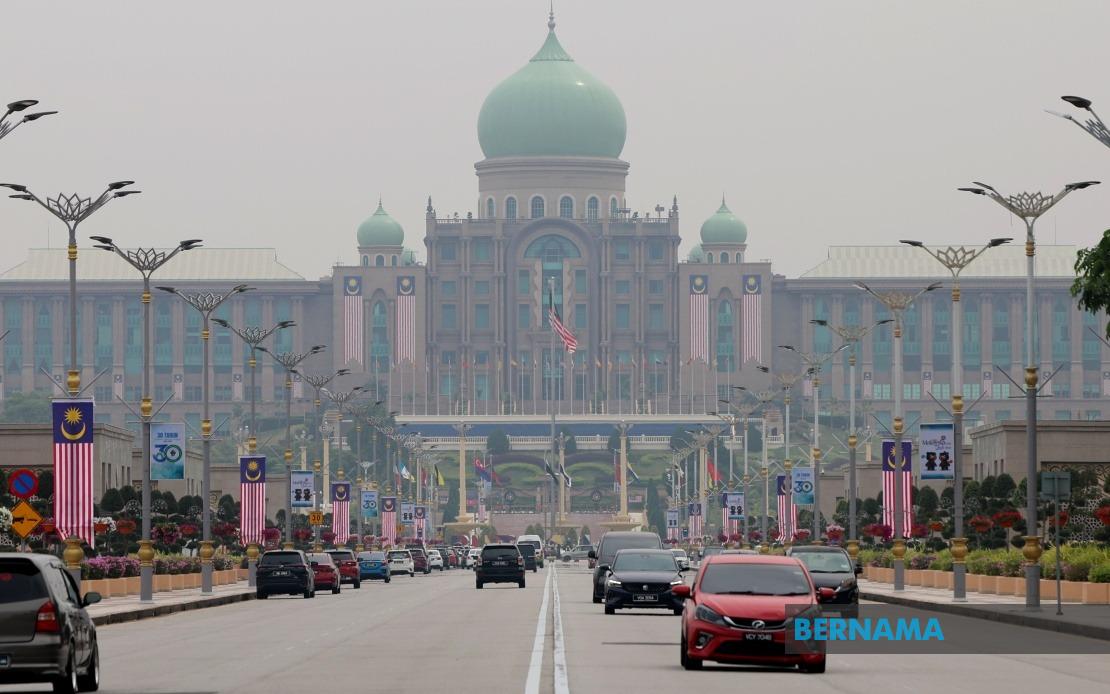
Malaysia is stepping up pressure on its ASEAN neighbours to establish stronger collective defences against transboundary haze pollution, emphasising that coordinated regional action will be essential as weather patterns continue to threaten air quality across Southeast Asia. Through an official communication to ASEAN Secretary-General Dr Kao Kim Hourn, Natural Resources and Environmental Sustainability Minister Datuk Seri Arthur Joseph Kurup has outlined a comprehensive framework for regional preparedness that extends beyond individual national efforts.
The minister's intervention reflects growing concerns about the trajectory of environmental conditions in the region. Recent meteorological data indicates that persistent drought conditions affecting southern ASEAN territories have triggered a noticeable uptick in hotspot detection and associated haze formation. Malaysia's concern is not merely about immediate conditions but about the projected intensification of these patterns as the El Niño phenomenon strengthens throughout the coming months, a development that could amplify the frequency and severity of transboundary smoke pollution affecting multiple nations simultaneously.
Under the framework of the ASEAN Agreement on Transboundary Haze Pollution (AATHP), Malaysia has identified several critical operational measures that all member states must prioritise. These include rigorous surveillance systems targeting high-risk areas prone to uncontrolled burning, enhanced monitoring infrastructure capable of identifying hotspots in real time, strict enforcement of national bans on open burning practices, and ensuring that firefighting capabilities remain operationally robust and ready for rapid deployment. The emphasis on prevention rather than crisis management reflects a strategic shift toward addressing root causes rather than managing consequences after haze events materialise.
While Arthur noted that current fire incidents remain contained within individual member states' borders, he stressed that the transnational nature of atmospheric pollution demands a departure from purely domestic approaches. Haze does not respect national boundaries, and smoke generated from agricultural burning or forest fires in one country inevitably drifts across regional airspace, affecting the health and economies of neighbouring nations. This geographic reality underscores why Malaysia views unilateral action as insufficient and why coordinated regional mechanisms represent the most effective response.
The communication emphasises three foundational pillars for effective regional haze management: the implementation of early warning systems and preventive interventions, the transparent and timely exchange of accurate information regarding hotspot locations and air quality metrics, and sustained coordination mechanisms that enable rapid response across borders. Arthur argued that these elements form an indivisible framework—weakness in any single component compromises the effectiveness of the entire system. Without early detection, there is no opportunity for intervention; without information sharing, countries cannot anticipate incoming haze; without coordination, response efforts become fragmented and inefficient.
Malaysia's positioning also reflects recognition of the ASEAN Secretariat's supporting role through the Interim ASEAN Coordinating Centre for Transboundary Haze Pollution Control (ACC THPC). The centre serves as a crucial clearing house for information dissemination and coordination, helping align national preparedness strategies across the region and strengthening the institutional architecture that underpins the AATHP. Malaysia's public acknowledgment of this role signals support for regional institutions and provides diplomatic encouragement for continued secretariat engagement with member states.
The timing of Malaysia's intervention carries particular significance given the seasonal calendar of ASEAN's fire and haze problems. August represents a period when dry conditions intensify across much of Southeast Asia, creating conditions conducive to uncontrolled burning and fire spread. The projection that El Niño will strengthen in coming months adds urgency to the call for enhanced preparedness, as this climate pattern typically exacerbates drought conditions and increases the likelihood of widespread fire activity across the region. Countries that begin preparations now will be better positioned to manage potential crises later in the year.
For Malaysian readers and businesses, the importance of regional coordination extends beyond environmental concerns into economic and public health domains. Transboundary haze episodes have historically disrupted transportation, disrupted economic activity, and triggered respiratory health crises affecting millions across the region. Malaysian manufacturing and service sectors have experienced productivity losses during severe haze episodes, while healthcare systems face surging demand during air quality emergencies. Robust regional preparedness mechanisms therefore represent investments in economic stability and public welfare, not merely environmental conservation.
Arthur's statement reflects Malaysia's traditional diplomatic approach of building consensus through emphasising shared interests and mutual vulnerability. By framing haze management as a challenge that affects all ASEAN members and requires all members' commitment, Malaysia positions enhanced preparedness as a collective good rather than a burden imposed on specific nations. This framing is particularly important given that some ASEAN countries have been criticised in the past for inadequate fire prevention enforcement; the emphasis on collective action helps depoliticise the issue and focuses attention on common objectives.
The minister concluded by expressing confidence that committed action by all member states would strengthen the region's capacity to manage climate-related challenges while building resilience for long-term environmental sustainability. This forward-looking perspective acknowledges that transboundary haze represents not a temporary or isolated problem but rather a recurring challenge that will likely intensify as climate variability increases. Building institutional capacity and operational readiness now positions ASEAN to address not only current threats but also adapt to evolving environmental pressures in the years ahead.
Malaysia's advocacy for intensified regional coordination also signals to the international community that ASEAN takes transboundary environmental challenges seriously and is willing to invest diplomatic capital in solving them. This positioning reinforces ASEAN's commitment to the AATHP and may influence discussions about regional environmental governance frameworks. For Malaysian policymakers, demonstrating leadership on this issue enhances the country's standing within ASEAN while advancing concrete interests in protecting Malaysian air quality and public health.

