The Malaysian government has launched a regularisation initiative designed to bring unlicensed fishermen into the formal sector, offering them a structured pathway to obtain legal operating credentials. The programme, which operates on a periodic basis to accommodate licence vacancies created when existing permits are cancelled, represents a significant policy shift aimed at expanding the legitimate fishing workforce while strengthening regulatory compliance across the industry.
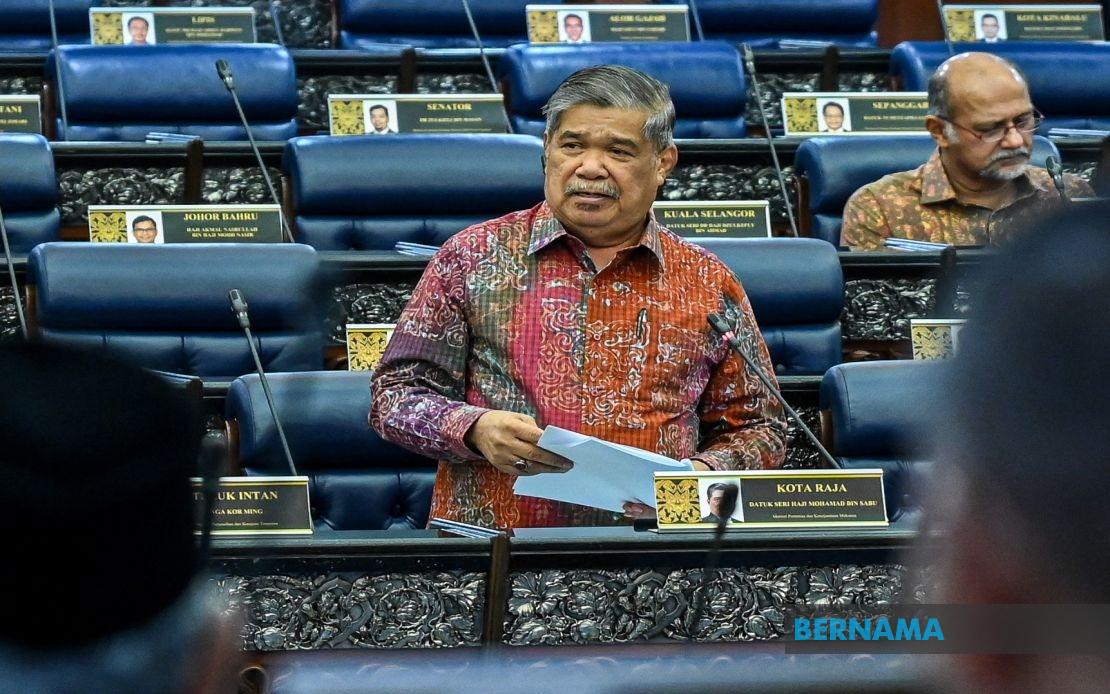
Agriculture and Food Security Minister Datuk Seri Mohamad Sabu outlined the scheme to Parliament, emphasising that coastal fishermen can now submit applications through their respective District Fisheries Offices. The process remains subject to established eligibility criteria set by the Fisheries Department, ensuring that licences are allocated to applicants who genuinely depend on fishing as their primary livelihood and meet the stipulated conditions for legal operation.
The regularisation approach addresses a persistent challenge within Malaysia's fishing sector: the existence of a substantial informal workforce operating without proper authorisation. By creating a formalisation pathway, the government aims to expand fishermen's access to various government support programmes and incentives that are exclusively available to licensed operators. This transition from informal to formal status carries tangible economic benefits, as registered fishermen can access credit facilities, insurance schemes, and subsidised inputs that remain inaccessible to their unlicensed counterparts.
Recognising the importance of sustainable resource management, the ministry framed the initiative within a broader conservation framework. Bringing previously unregistered operators into the regulatory system strengthens the government's capacity to monitor fishing practices, enforce catch limits, and prevent resource depletion. Enhanced compliance with fisheries regulations supports long-term ecosystem health, ultimately protecting the livelihoods of fishing communities dependent on stable fish stocks for future generations.
The licensing data reflects the programme's ongoing implementation. During the previous fiscal year, 800 licences received ministerial approval nationwide, while the year before saw 915 approvals distributed. These figures indicate fluctuating availability of licence vacancies, driven by the variable rate at which existing permits are surrendered or cancelled. The regularisation programme operates within this framework, distributing available slots to qualified applicants during designated application windows.
Minister Mohamad clarified that the existing licensing framework remains fit for purpose and continues to meet contemporary industry requirements. The established conditions and mechanisms ensure that permits reach individuals whose economic circumstances and occupational profiles genuinely justify fishing licence allocation. This measured approach prioritises targeting licences toward those facing genuine financial dependence on fishing, rather than issuing permits to individuals for whom fishing represents secondary income or speculative investment.
Concerned parliamentarians pressed for transparency improvements in the criteria governing licence issuance and renewal, particularly regarding Zone A coastal boat operators and traditional fishing communities. The minister acknowledged these concerns and committed the Fisheries Department to periodic reviews of licensing standards. This commitment to iterative criterion refinement signals responsiveness to stakeholder feedback while maintaining the integrity of the allocation process.
The minister additionally invited stakeholders to report suspected irregularities in licence allocation. Cases where non-fishermen have obtained permits should be escalated through formal complaints or direct engagement with Fisheries Department officials, triggering investigative action to preserve the system's credibility. This transparency mechanism aims to prevent licence abuse and maintain public confidence in the allocation process.
Applicants seeking special boat licences must satisfy multiple substantive requirements. A 10-year residency confirmation issued by the fishing village head demonstrates genuine community rootedness. Documentation confirming at least 120 days of annual sea operations establishes serious commercial engagement rather than casual participation. Endorsement from the State Fisheries Office provides an additional administrative layer of vetting, while applicants aged 18 and above must demonstrate good health status and active fishing employment. Pensioners qualify only if their retirement income remains below RM2,200 monthly, targeting assistance toward those facing genuine financial hardship.
These eligibility parameters reflect the government's stated commitment to directing assistance toward truly vulnerable populations. By capping pensioner income thresholds, the policy prevents affluent retirees from accessing programmes designed for economically disadvantaged fishermen. This targeting mechanism ensures public resources reach those whose primary economic survival depends on fishing sector participation, maximising the social impact of government interventions.
The regularisation programme carries particular significance for Southeast Asian maritime economies, as fishing sector formalisation remains a critical development challenge across the region. Malaysia's approach provides a potential policy model for neighbouring countries grappling with informal fishing workforces. By establishing transparent criteria and periodic application windows, the scheme demonstrates how regulatory systems can balance sustainability objectives with livelihood protection for marginalised fishing communities.
For Malaysia's fishing sector specifically, this initiative addresses the tension between enforcement and inclusion that has long characterised regulatory approaches. Rather than exclusively penalising unlicensed operators, the regularisation pathway offers constructive integration into the formal system. This balancing act recognises that excessive enforcement against impoverished fishermen risks social friction while creating limited economic benefit, whereas formalisation generates compliance, sustainability improvements, and expanded welfare access simultaneously.
The programme's long-term success will depend on transparent implementation and effective communication to target communities about application procedures and eligibility pathways. Fishing communities operating informally often lack institutional knowledge about bureaucratic processes, requiring proactive outreach from Fisheries Department officers at village and district levels. Sustained engagement with traditional fishing associations and community leaders will be essential to ensuring that the regularisation opportunity translates into meaningful formalisation across Malaysia's coastal regions.

