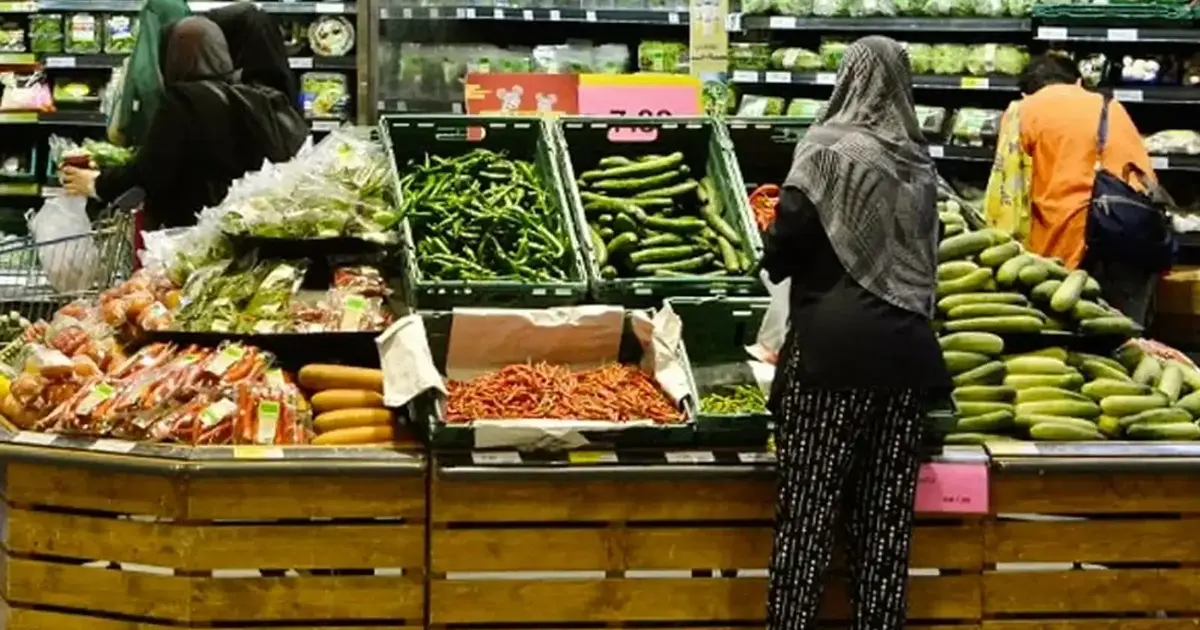
Deputy Prime Minister Ahmad Zahid Hamidi has floated an expansion of the SARA assistance programme that would stretch its reach into fresh produce categories, marking a potential widening of one of Malaysia's primary cost-of-living interventions. The proposal represents a shift in how policymakers are approaching household food security in an environment where price pressures continue to weigh on consumer budgets across income levels.
The initiative would see vegetables and fruits brought under the subsidy umbrella, addressing a gap in coverage that has drawn scrutiny from consumer advocates and economists monitoring household expenditure patterns. Currently, the SARA framework targets specific essential commodities, and expanding it would represent a more comprehensive approach to stabilising food costs at the retail level. This recalibration reflects recognition among senior leadership that affordability challenges extend across the fresh produce segment, where seasonal fluctuations and supply chain dynamics create volatility.
According to Ahmad Zahid, the proposal will be forwarded to the National Action Council on Cost of Living for formal deliberation and approval. This governance pathway underscores the significance of the initiative and signals that any expansion would require coordination across multiple government agencies responsible for price monitoring, subsidies administration, and agricultural policy. The council brings together ministers and officials tasked with developing and implementing strategies to cushion Malaysians from inflationary pressures.
The timing of this proposal coincides with sustained public concern about household purchasing power. Food costs remain a dominant factor in inflation calculations and a primary driver of anxiety among middle and lower-income households. By considering an expansion into fresh produce, the government is responding to evidence that families are adjusting their consumption patterns to cope with higher prices, sometimes at the expense of nutritional variety and health outcomes.
Vegetables and fruits occupy a distinctive position in Malaysia's food landscape. Unlike some subsidised staples that benefit from established distribution networks and price control mechanisms, fresh produce is more susceptible to supply disruptions and seasonal price swings. The sector relies on complex logistics chains involving farmers, wholesalers, and retailers, making centralised subsidy administration more technically challenging than for processed or dry goods. Any expansion would therefore require careful design to ensure funds reach consumers effectively without distorting agricultural incentives.
The agricultural sector stands to be significantly affected by such a policy shift. While subsidies can ease consumer pressures, they may influence farmer profitability and production decisions if not structured carefully. Malaysian policymakers have historically walked a fine line between protecting consumers and maintaining viability for domestic agricultural producers, particularly smallholder farmers who supply a substantial portion of local vegetables and fruits. The proposal would need to account for these competing interests.
From a fiscal perspective, broadening SARA coverage invites questions about budgetary sustainability. Malaysia's fiscal space remains constrained by existing commitments and revenue considerations. Expanding subsidy programmes requires either reallocation from other spending areas or identification of new revenue sources. The government would need to quantify the cost implications of including fresh produce and assess whether the benefits justify the expenditure, particularly in an environment where multiple cost-of-living measures are already in place.
Regionally, Malaysia's approach to food subsidies draws attention from neighbouring economies grappling with similar affordability challenges. Thailand, Indonesia, and the Philippines have pursued diverse subsidy architectures, some targeting specific income groups and others implementing universal schemes. Malaysia's gradual expansion of SARA reflects one model of incremental policy adjustment, contrasting with more comprehensive subsidy overhauls seen elsewhere in Southeast Asia.
The proposal also intersects with broader agricultural transformation goals. Malaysia has pursued ambitions to enhance local agricultural productivity and reduce reliance on imports for key food categories. Subsidising vegetables and fruits could theoretically strengthen domestic demand for locally-grown produce, potentially supporting farm incomes and employment in rural areas. However, benefits would depend on whether subsidies are designed to favour domestic producers or apply indiscriminately across sourced origins.
For consumers, expansion would potentially expand access to nutritionally important food categories at lower prices. This could have particular significance for lower-income households that frequently prioritise cheaper calories over nutritional diversity. Public health considerations increasingly inform food policy discussions globally, and making vegetables and fruits more affordable aligns with nutritional guidelines and obesity prevention objectives.
The proposal's progress through the National Action Council will likely involve detailed technical discussions about implementation mechanisms, funding requirements, and coordination with existing price control measures. Multiple agencies including the Ministry of Domestic Trade and Consumer Affairs, the Ministry of Agriculture, and the Ministry of Finance would need to contribute perspectives on feasibility and impact.
With formal consideration now pending before the appropriate policy body, this expansion proposal represents a meaningful moment in Malaysia's ongoing efforts to manage cost-of-living pressures. Whether the National Action Council ultimately endorses widening SARA coverage will depend on assessment of fiscal capacity, implementation readiness, and alignment with other government priorities. The decision will likely influence how Malaysian households navigate food affordability in coming years and shape the broader trajectory of the country's subsidy architecture.

