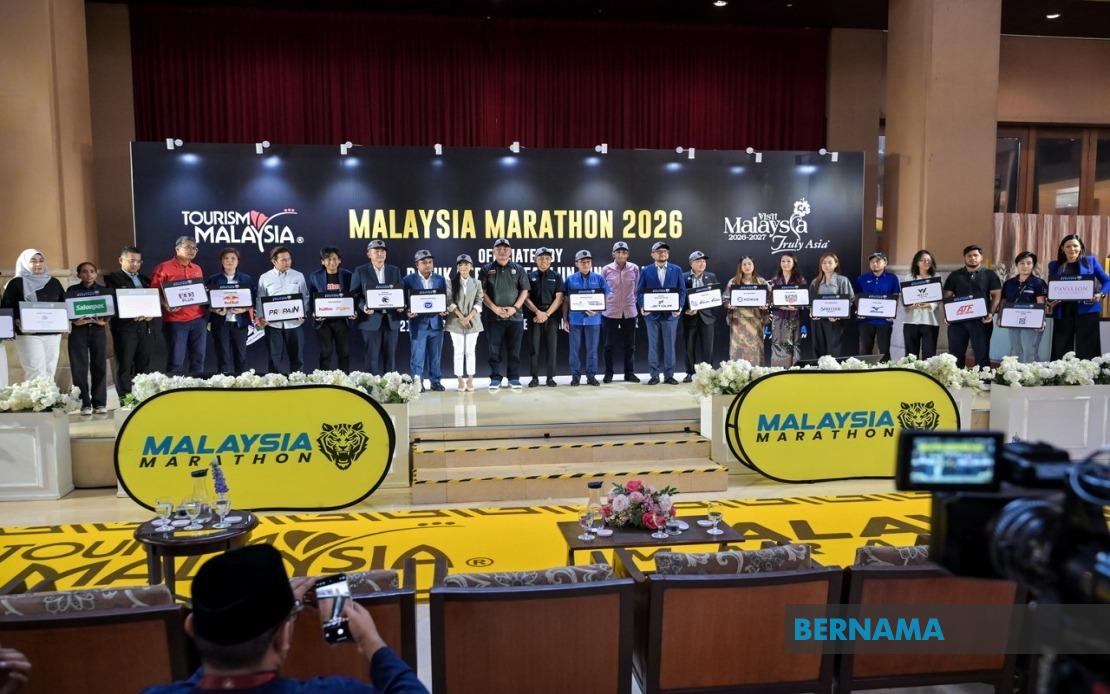
Malaysia's inaugural national marathon will take place on August 30, 2026, with organisers dangling a substantial RM50,000 incentive for any athlete who manages to shatter existing national records in the half-marathon and full-marathon distances. The prize structure underscores organisers' determination to attract elite performers and elevate competitive standards in Malaysian distance running at a time when the sport is gaining renewed momentum across Southeast Asia.
Eddy Casmady, president of Malaysia Marathon, explained that the financial incentive serves a dual purpose: encouraging homegrown talent to pursue record-breaking performances while simultaneously raising the profile of the event internationally. By targeting both the 21-kilometre and 42-kilometre categories, the organisers hope to inspire elite Malaysian runners who might otherwise compete primarily on overseas circuits, potentially reversing a trend of domestic talent seeking better-resourced competitions abroad.
A significant achievement for the event's credibility came through World Athletics recognition of the race route. The international governing body's certification, obtained after comprehensive route measurement and verification procedures, provides assurance to participating athletes that their performances will be recorded as legitimate achievements. This accreditation carries particular weight for international competitors and lends prestige to any records subsequently established on the course.
The course itself presents genuine obstacles that will test participants' physical endurance and tactical approach. The route, which commences at Pavilion Kuala Lumpur and concludes near KLCC, incorporates sections featuring significant elevation gains. Notably, a stretch spanning approximately 900 metres between AKLEH and subsequent waypoints involves sustained uphill climbing, creating a formidable challenge that could favour athletes accustomed to hilly terrain while potentially neutralising those relying solely on flat-track speed.
The inaugural edition is anticipated to attract substantial international participation alongside Malaysian contingents. Organisers project a total of 25,000 runners across all categories, with international competitors comprising more than 2,300 participants. Elite athletes from nations including Japan and Nigeria are expected to participate, bringing competitive depth that should produce challenging pacing and genuine record-breaking opportunities, particularly in the longer distances where pacemaking becomes strategically important.
The participant distribution across categories reveals organisers' inclusive vision. The full marathon will accommodate 2,000 runners, whilst the half-marathon attracts the largest field at 8,000 participants. A 10-kilometre event will include 5,000 entrants, and a 5-kilometre leisure run caters to recreational participants with 10,000 slots. This tiered structure allows the event to function simultaneously as an elite competition and a mass-participation celebration of running culture.
An unusual feature adds contemporary technological intrigue to the proceedings: the HONOR humanoid robot will compete in the 10-kilometre event. Whilst primarily symbolic, this inclusion reflects growing intersections between sport and artificial intelligence, generating media interest and appealing to younger demographics who follow cutting-edge technology trends alongside athletic achievement.
For Malaysian distance runners, the event represents a rare domestic platform where national records can be pursued against quality international competition without requiring expensive overseas travel. Historically, Malaysian athletes seeking competitive depth have relied on international marathons in Singapore, Thailand, or further afield, making this event potentially transformative in nurturing local talent development and creating genuine opportunities for career-defining performances.
The timing and scale of Malaysia Marathon 2026 positions it as a landmark event in the country's sporting calendar and reflects growing investment in sports infrastructure and event management capabilities. Success in this inaugural year could establish an annual championship attracting ever-larger fields and increasingly competitive fields, potentially positioning Malaysia as a regional running destination comparable to established marathons in Thailand or Indonesia.

