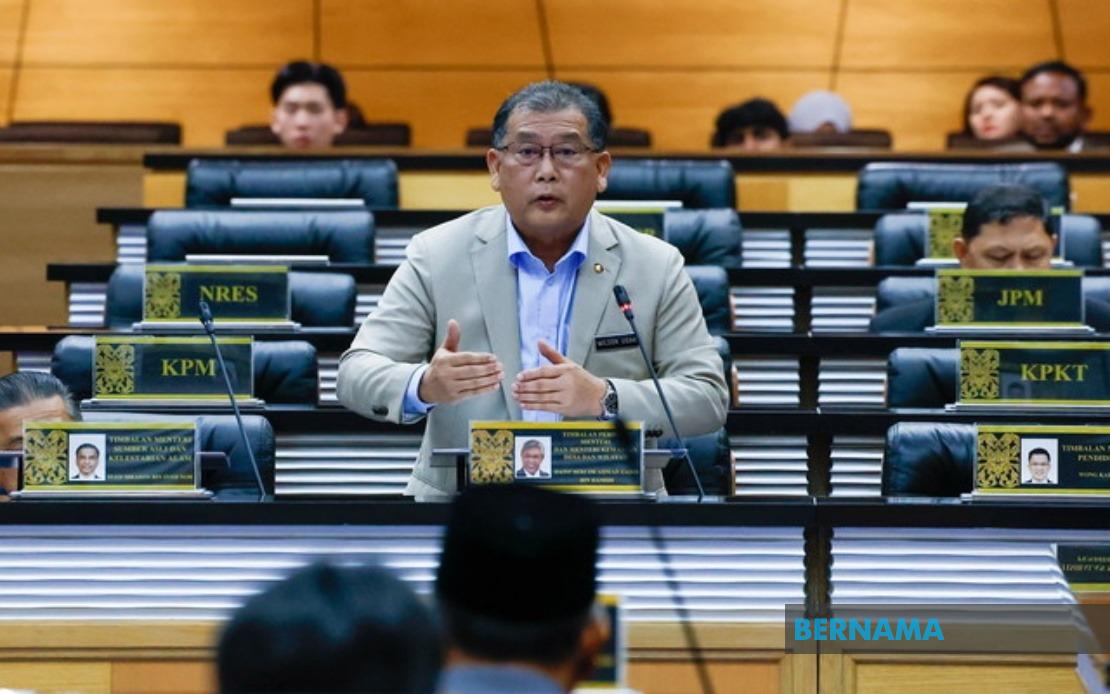
Malaysia's Ministry of Rural and Regional Development has committed to establishing a network of 15 permanent disaster relief centres across nine states, marking a significant shift in how the country manages humanitarian responses to natural disasters. Datuk Wilson Ugak Kumbong, representing the ministry as Deputy Digital Minister, announced during a Dewan Rakyat session that the facilities would become operational in phases beginning this year, with two centres already fully functional in Johor and Pahang, nine currently under construction, and four remaining in planning and procurement stages.
The initiative represents a departure from the nation's traditional reliance on school premises as temporary relief shelters during flooding events. For decades, Malaysian schools have served dual roles during monsoon seasons and other disaster periods, housing displaced residents while simultaneously disrupting the academic calendar for thousands of students. This structural problem has long frustrated educators and parents who witnessed months of lost learning time whenever natural disasters struck populated areas. The government's recognition of this inefficiency demonstrates a more sophisticated understanding of disaster management's broader societal costs beyond immediate relief operations.
Each permanent facility has been designed with comprehensive infrastructure to address the diverse needs of displaced populations. The centres feature large open halls capable of accommodating up to 500 victims, dedicated dining and cooking facilities, medical treatment areas, accessible toilets for persons with disabilities, prayer rooms, and specially designated zones intended to reduce psychological stress among vulnerable groups including children, elderly residents, and individuals with specific needs. This level of amenity planning reflects an appreciation for the dignified treatment of disaster victims, moving beyond purely functional emergency shelter toward comprehensive welfare accommodation.
The dual-function concept underpinning these centres demonstrates creative resource optimisation. During normal periods when disasters are absent, the facilities operate as community spaces for local residents, avoiding the wasteful scenario of buildings standing empty for much of the year. This approach addresses longstanding Malaysian budget concerns where public infrastructure investments often deliver limited peacetime utility. By embedding recreational and community functions into disaster facilities, the government has created assets that generate value throughout annual cycles rather than remaining dormant except during emergencies.
Site selection processes prioritise regions with established patterns of severe flooding vulnerability. The Ministry of Rural and Regional Development has focused initial construction on localities with documented histories of recurring inundation, ensuring that relief infrastructure is positioned where it will generate maximum protective impact. However, this selection methodology operates within established bureaucratic channels, requiring proposals to navigate State Disaster Management Committees before reaching the National Disaster Management Agency for final evaluation and approval. This multilayered approval structure, while potentially protecting against poorly conceived projects, may also create implementation delays in rapidly changing environmental conditions.
The broader Southeast Asian context illuminates the strategic importance of Malaysia's infrastructure commitment. The region experiences increasingly severe monsoon-related flooding, with climate scientists attributing heightened precipitation intensity to warming ocean temperatures and atmospheric circulation changes. Countries across Southeast Asia, from Thailand to the Philippines, have struggled to provide adequate shelter for displaced populations during catastrophic flooding events. Malaysia's systematic approach to pre-positioning relief infrastructure offers a replicable model for neighbouring nations grappling with similar environmental pressures.
Complementing the permanent centres, the National Disaster Management Agency has approved RM4.44 million in funding for upgrading facilities at 25 existing temporary relief centres operated through Ministry of Education premises. Additionally, the government provides maintenance assistance grants up to RM50,000 for temporary shelters activated after the Northeast Monsoon season concludes, ensuring these facilities remain operationally ready for future disaster cycles. These measures represent intermediate steps toward comprehensive disaster preparedness while permanent infrastructure development progresses.
The financial and logistical implications for Malaysian state governments warrant careful consideration. The permanent relief centres will ultimately require coordination across federal allocations, state budgets, and local administration networks. As Datuk Wilson Ugak emphasised during parliamentary discussion, disaster management cannot remain the exclusive responsibility of NADMA but demands a comprehensive whole-of-government and whole-of-society approach encompassing federal agencies, state authorities, private sector contributions, and community participation. This characterisation implicitly acknowledges the resource constraints facing any single institution attempting to manage disaster response across a geographically diverse nation.
The expansion to include Perak and other states currently lacking permanent facilities reflects recognition of geographic disparities in disaster preparedness. While Johor and Pahang's completed facilities establish operational proof of concept, extending coverage to additional states demonstrates commitment to equitable disaster management infrastructure distribution. Perak, with significant rural populations and regular flooding in agricultural regions, particularly benefits from this expansion trajectory. However, the phased implementation approach means that some vulnerable communities may experience protection gaps over upcoming monsoon seasons while construction continues.
International disaster management specialists have increasingly emphasised the importance of pre-positioned infrastructure in reducing response times and casualty figures during emergencies. Malaysia's investment in permanent centres aligns with this evidence-based approach, contrasting with purely reactive emergency declaration systems that mobilise resources only after disasters strike. The facilities enable rapid activation of comprehensive relief operations rather than hasty improvisation within school buildings that lack specialised emergency equipment and design features.
Looking forward, the success of these permanent centres will likely generate valuable operational data informing future disaster management policy decisions. NADMA's ongoing development allocation processes suggest plans for nationwide expansion beyond the initial fifteen facilities, potentially creating comprehensive regional coverage across all Malaysian states experiencing regular disaster vulnerability. This trajectory positions Malaysia as a regional leader in professionalising disaster relief infrastructure, potentially attracting international technical cooperation and knowledge-sharing arrangements with other affected Asian nations.
The government's acknowledgment that disaster management represents shared national responsibility rather than isolated agency function marks a conceptual evolution in Malaysian governance. By embedding relief facilities within community spaces and requiring multi-level stakeholder coordination, the initiative reinforces understanding that societal resilience emerges from distributed institutional capacity rather than centralised emergency response systems. This philosophical reorientation, combined with concrete infrastructure investment, addresses both immediate flood protection needs and longer-term challenges associated with increasingly severe climate-related disasters affecting Southeast Asian populations.

