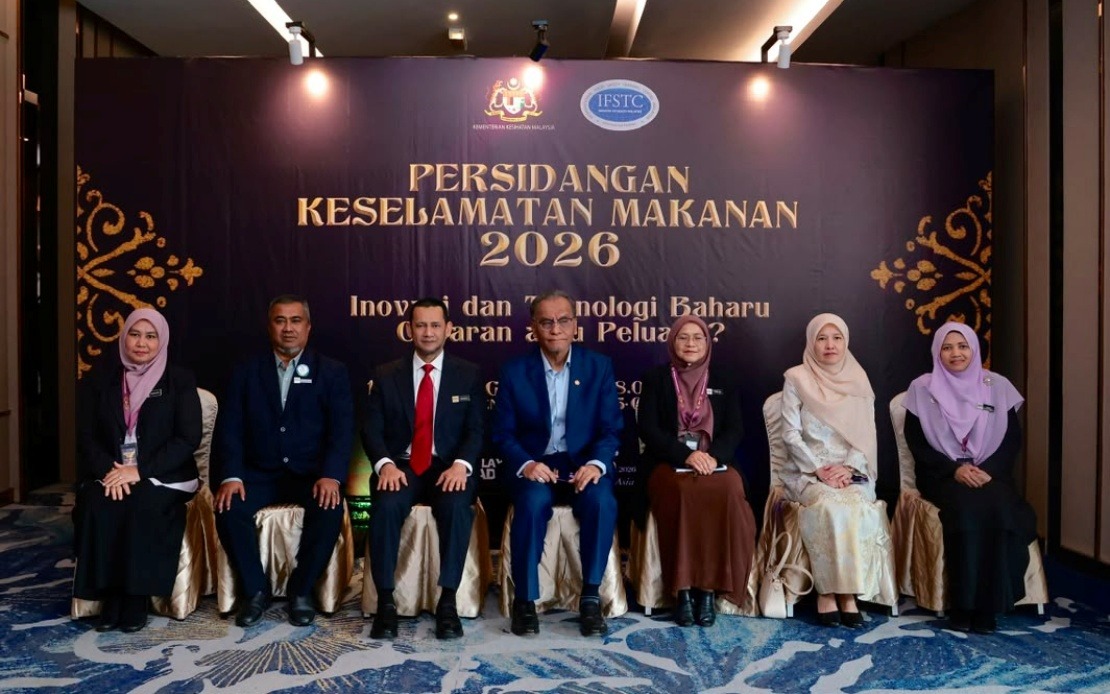
Malaysia has taken a significant step towards modernising its food safety framework by joining the Asia-Pacific Food Regulatory Authority Summit, a regional body dedicated to harmonising food governance standards across the Indo-Pacific. Health Minister Datuk Seri Dr Dzulkefly Ahmad announced the formal membership following Cabinet approval on June 12, positioning the country as a regional leader in implementing cutting-edge safety protocols and digital transformation across the food sector.
The decision carries strategic importance for Malaysia's role as a regional hub. By joining APFRAS, Malaysia positions itself to lead digitalisation efforts in food safety governance, establish standards for biodegradable packaging materials, and create harmonised rules governing emerging food technologies. This leadership ambition reflects growing recognition that food safety is increasingly a regional challenge requiring coordinated solutions rather than isolated national responses.
The membership was formalised during the opening ceremony of the 2026 Food Safety Conference in Putrajaya, where over 300 participants gathered to discuss pressing challenges in food safety, risk assessment, and technological innovation. The conference theme, "New Innovations and Technologies – Challenges or Opportunities?", reflects tensions within the food industry between adopting new production methods and maintaining safety standards that consumers expect.
Malaysia faces a particular urgency in strengthening food safety governance given its dramatic shift towards import dependence. Over the past decade, food imports have nearly doubled from RM42.6 billion in 2013 to RM78.9 billion in 2023—an 85 per cent increase that underscores the country's reliance on complex, cross-border supply chains. This reliance means that a substantial portion of food consumed daily by Malaysians has traversed multiple national borders and supply chain intermediaries before reaching consumers.
The complexity of these global supply chains creates vulnerabilities that traditional oversight mechanisms struggle to manage. When food products traverse numerous countries with varying regulatory standards, tracing contamination sources becomes exponentially more difficult. A single foodborne illness outbreak can span continents, affecting millions and revealing coordination gaps between national regulators. Malaysia's APFRAS membership signals recognition that regional coordination and standardised protocols are essential to managing these risks effectively.
To address vulnerabilities in extended supply chains, the Health Ministry is investing in advanced technological solutions. Artificial intelligence and predictive analytics represent the frontier of food safety monitoring, enabling authorities to identify patterns and potential hazards at border checkpoints and throughout the supply chain before contaminated products reach consumers. Rather than relying solely on laboratory testing of samples, these systems can flag suspicious batches, suppliers with concerning histories, or shipments that deviate from expected patterns. This approach is particularly valuable for a nation importing such substantial volumes of food.
The APFRAS membership directly supports two cornerstone government policies: the National Food Safety Policy and the National Food Security Policy. The former emphasises preventing foodborne illness through systematic risk management, while the latter addresses the broader challenge of ensuring Malaysians have consistent access to adequate nutrition. These policies had previously operated somewhat independently; APFRAS membership creates opportunities to integrate food safety and security objectives at the regional level, recognising that secure food supply chains require both safety and consistency.
Regional coordination on food safety offers Malaysia practical advantages. Harmonised standards reduce compliance costs for food producers operating across multiple Southeast Asian markets, making Malaysian processing facilities more competitive internationally. Shared data on food safety incidents, supplier performance, and emerging risks creates intelligence that individual nations cannot generate alone. When foodborne illness outbreaks occur, rapid information sharing through regional networks enables faster identification of affected products and sources.
The conference attendance by over 300 food safety professionals signals robust engagement from both public and private sectors. This participation suggests growing awareness within Malaysia's food industry that safety standards are increasingly non-negotiable for market access and consumer trust. Companies exporting to or importing from the region must demonstrate compliance with evolving standards, creating incentives for proactive investment in safety systems rather than reactive responses to crises.
Malaysia's leadership in digital transformation of food safety governance represents an opportunity to establish regional precedent. As the Southeast Asian nation with one of the most developed digital infrastructure systems, Malaysia can pilot AI-driven monitoring approaches and predictive analytics frameworks that other APFRAS members may subsequently adopt. Success in this arena could position Malaysian technology firms as providers of food safety solutions across the region.
The scale of Malaysia's food import challenge—nearly RM79 billion annually—creates both vulnerability and leverage within regional negotiations. The sheer volume of product flowing through Malaysian ports and distribution networks means that Malaysia's regulatory decisions influence how multinational food companies approach the entire Southeast Asian market. This leverage allows Malaysia to advocate for standards that prioritise safety without creating barriers to legitimate trade.
Looking forward, APFRAS membership establishes the institutional framework for addressing emerging food safety threats that transcend borders: antimicrobial resistance in food production systems, novel pathogenic organisms, and the safety implications of novel foods created through advanced technologies. These challenges require sustained regional cooperation, shared research, and coordinated policy responses that individual nations cannot achieve alone. By formalising its commitment through APFRAS membership, Malaysia acknowledges that food safety in an interconnected region is fundamentally a collective responsibility.

