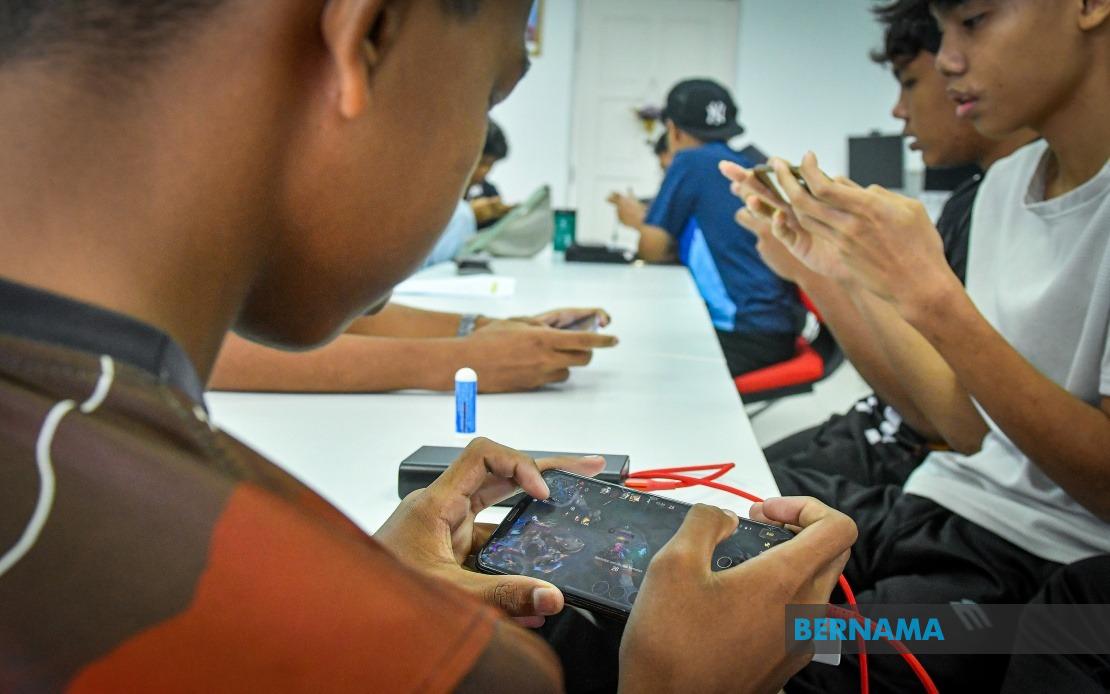
Malaysia's government is moving beyond prohibition to promote what officials describe as a more nuanced approach to protecting young people online. Deputy Communications Minister Teo Nie Ching announced on Thursday that the Safe Internet Campaign will intensify efforts to help parents understand and enforce restrictions on social media use by children under 16, marking a shift toward parental education rather than outright bans alone. Speaking during a Parent-Teacher Association convention in Johor Bahru, Teo emphasised that the campaign's core objective is fostering responsible digital citizenship through family guidance and household self-regulation.
The distinction between prohibition and education lies at the heart of the government's current strategy. While the MADANI administration has established a formal policy preventing children aged 16 and younger from holding social media accounts, officials acknowledge that technical enforcement alone cannot succeed without buy-in from households. Teo highlighted that parents remain permitted to create digital accounts on behalf of their children for legitimate purposes, but the government expects families to implement protective measures and monitor usage patterns proactively. This approach reflects growing recognition that digital devices are integral to modern childhood and education, requiring guidance rather than total abstinence.
Parental responsibility emerges as the campaign's cornerstone message. The government is asking mothers and fathers to take direct ownership of their children's online activities, including monitoring which applications are installed on devices, tracking usage patterns, and understanding the content their children access. Teo stressed that parents must ensure mobile phones and tablets provided to their children are not repurposed for circumventing age restrictions or accessing age-inappropriate material. This framing positions families as the primary guardians of digital safety, rather than relying solely on regulatory agencies or platform companies to prevent misuse.
Enforcement mechanisms remain in place alongside the educational approach. The Malaysian Communications and Multimedia Commission (MCMC) will investigate reports of minors misusing social media accounts and submit findings to platform providers requesting account removal. This two-tier system—combining parental self-regulation with government follow-up action—aims to create accountability without placing the entire burden on regulatory agencies that lack real-time visibility into millions of households. The MCMC's role focuses on responding to documented violations rather than proactive surveillance, allowing the system to scale across Malaysia's diverse communities.
The formal age-verification system has been operational since June 1 under provisions of the Online Safety Act 2025, which established the Child Protection Code and Risk Mitigation Code. These regulations mandate that individuals registering social media accounts provide identity verification through official documents including the MyKad, passport, or MyDigital ID. This technical requirement creates a documentary trail that platforms must maintain and presents a barrier to underage registration, though determined adolescents may still attempt to circumvent verification using parental documents or fraudulent identification.
The campaign's scope demonstrates the government's commitment to embedding digital literacy across Malaysia's education system. The initiative has reached 5,946 primary schools, 2,416 secondary schools, 1,285 Chinese-medium schools, and 524 Tamil-medium schools, representing thousands of educational institutions nationwide. Beyond secondary education, the programme has extended to 68 universities, 67 form six and vocational colleges, and six teacher education institutes, ensuring that educators themselves understand the policy framework and can guide both students and parents. This comprehensive rollout recognises that sustained behaviour change requires engagement at multiple institutional levels.
The Johor convention represents the fourth iteration of the Safe Internet Campaign roadshow, with expansion planned into Sabah in September and Sarawak in October. This regional sequencing allows the government to tailor messaging to different cultural contexts and demographic patterns across Malaysia while maintaining consistent policy frameworks. The Parent-Teacher Association's involvement as campaign partners is strategically significant, positioning educators as intermediaries who can translate government policy into practical household guidance. PTAs have existing relationships with families and credibility on educational matters, making them effective channels for disseminating information about digital safety beyond formal regulatory pronouncements.
For Malaysian parents, the campaign raises several practical questions about implementation. The policy permits parents to create accounts on behalf of their children, creating ambiguity about what constitutes compliance—an account technically registered by a parent but actively used by a child presents a grey zone that the enforcement framework has not fully addressed. Additionally, the reliance on identity verification through official documents assumes universal access to these identification systems, though undocumented individuals or those without current identification may find compliance more difficult. The effectiveness of the campaign may ultimately depend on how consistently these technical requirements are implemented across different platforms.
The broader Southeast Asian context suggests Malaysia's approach represents a middle path between permissive policies in some jurisdictions and absolute bans elsewhere. While countries like France have pursued similar age-verification requirements, implementation remains inconsistent globally, and many platforms operate in legal grey zones regarding age verification accuracy. Malaysia's integration of enforcement with parental education may provide insights applicable to other regional governments grappling with digital safety for minors. The campaign's emphasis on family responsibility also aligns with cultural values emphasising parental authority in child-rearing across Southeast Asia.
Long-term success will require sustained commitment from multiple stakeholders. Schools must continue incorporating digital literacy into curricula, PTAs must remain engaged in supporting parents between campaign roadshows, and platforms must invest in reliable age verification without creating unnecessary barriers to legitimate young users. The government's role evolves from establishing policy frameworks to maintaining public awareness and ensuring that enforcement actions follow documented violations. For Malaysian families, the campaign signals that digital safety is a shared responsibility requiring ongoing dialogue between parents, children, schools, and regulators rather than a problem solved through policy announcement alone.

