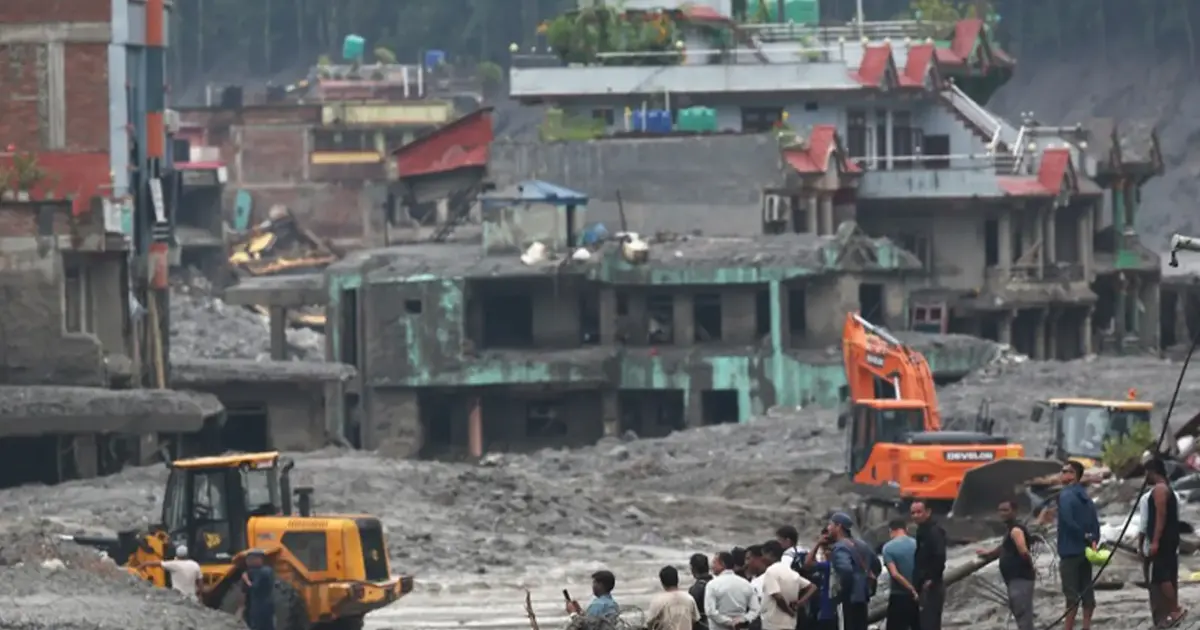
Malaysia has pledged to deploy its SMART disaster management team to Nepal in the aftermath of a recent seismic event, marking another instance of regional humanitarian cooperation in Southeast Asia. Prime Minister Anwar Ibrahim announced the initiative, underscoring the country's commitment to providing emergency assistance during critical situations affecting neighbouring nations. The decision reflects Malaysia's ongoing role in disaster relief operations across the region, demonstrating how regional powers coordinate rapid response mechanisms during natural disasters.
The SMART (Special Malaysia Assistance and Rescue Team) unit represents one of Malaysia's most capable civilian disaster response assets, specially trained and equipped to handle complex emergency situations. The team combines technical expertise in search and rescue, medical support, and logistical coordination—capabilities that prove invaluable when communities face widespread infrastructure damage and population displacement. By mobilising this specialised unit, Malaysia signals its capacity and willingness to contribute substantively to international relief efforts beyond mere financial contributions or symbolic gestures.
Coordination between Malaysian authorities and Nepal's government is currently underway to establish the most effective deployment timeline and operational parameters. Prime Minister Anwar Ibrahim has indicated that local officials are actively liaising with their Nepali counterparts to ensure the mission can commence at the earliest feasible opportunity. This diplomatic choreography, though often overlooked in crisis reporting, proves essential for ensuring that international assistance arrives when local systems are most receptive and can be most efficiently integrated with existing relief infrastructure.
Nepal, geographically positioned along major seismic fault lines, has experienced devastating earthquakes throughout its history. The country's mountainous terrain, combined with legacy infrastructure challenges and limited resources in remote regions, compounds the humanitarian impact of major tremors. When disasters strike Nepal, international assistance becomes particularly critical, as damaged transportation routes can isolate affected communities and overwhelm local medical and emergency systems. Malaysia's SMART team deployment directly addresses these capacity gaps.
The broader context of Malaysian disaster response reflects accumulated institutional experience. Over recent decades, Malaysia has responded to the 2004 Indian Ocean tsunami, various floods affecting Southeast Asia, and other regional emergencies. Each deployment has refined operational procedures and built networks of international partners familiar with how Malaysian teams function. This experiential foundation enables faster, more coordinated relief operations when new crises emerge.
For Malaysia, engaging in international disaster assistance serves multiple strategic purposes. Beyond humanitarian considerations, such deployments strengthen bilateral relationships, enhance Malaysia's diplomatic standing within regional forums, and reinforce the principle of mutual assistance that underpins ASEAN solidarity. When Malaysian teams operate in Nepal, they simultaneously build goodwill and demonstrate the country's capacity for professional crisis management—attributes that enhance Malaysia's influence in regional discussions about security, cooperation, and development challenges.
The timing of Malaysia's response reflects how modern disaster diplomacy operates. Unlike historical periods when international assistance arrived sporadically, contemporary disaster management emphasises rapid mobilisation coordinated through diplomatic channels. Prime Minister Anwar Ibrahim's public announcement serves both to communicate Malaysia's commitment to the Nepali government and to signal to the Malaysian public the nation's proactive international engagement. Such transparency in foreign policy decisions builds domestic support for overseas deployments.
The deployment also illustrates practical challenges inherent in cross-border disaster response. Logistics prove complex when equipment must traverse multiple countries, personnel require rapid visa processing, and operational standards must align with host government procedures. Malaysian officials' coordination with Nepal reflects these practical realities—ensuring that regulatory frameworks, security clearances, and logistical arrangements accommodate swift deployment without compromising operational effectiveness or local sovereignty.
For Malaysian residents, particularly those with connections to Nepal through business, education, or family networks, the deployment reflects their government's active concern for the region's welfare. It signals that Malaysian citizens abroad would similarly receive governmental attention during emergencies. This reciprocal relationship—where governments actively support their diaspora and extend assistance to affected neighbours—reinforces social cohesion and demonstrates that foreign policy serves concrete human interests rather than abstract principles.
The SMART team's composition typically includes search and rescue specialists trained in operating amid collapsed structures, medical personnel equipped to provide emergency healthcare, engineers capable of rapid infrastructure assessment, and logistical coordinators managing supply chains. This multidisciplinary approach ensures comprehensive response capability rather than reliance on single-domain expertise. When integrated with local Nepali authorities and other international teams, such specialised units create synergistic relief operations more effective than isolated national efforts.
Regional observers note that Malaysia's proactive disaster response stance reflects broader Southeast Asian values emphasising mutual obligation and community responsibility. Unlike some international actors whose assistance derives primarily from strategic calculation, ASEAN nations generally frame disaster response as reflecting shared cultural commitments to regional stability and human welfare. Malaysia's deployment of SMART team to Nepal continues this tradition while demonstrating that such values extend beyond ASEAN to encompass the wider South Asian region.
The operational timeframe remains flexible, pending confirmation from Nepali authorities regarding access requirements and coordination logistics. Prime Minister Anwar Ibrahim's commitment ensures that bureaucratic processes will receive high-level attention, facilitating rapid resolution of administrative barriers. Once deployment commences, the SMART team will integrate with existing international relief infrastructure, contributing Malaysian expertise and resources to comprehensive recovery efforts.
Ultimately, Malaysia's decision reflects how contemporary nations balance domestic priorities with international responsibilities. By deploying trained specialists to assist Nepal, Malaysia demonstrates that prosperity carries obligations to support vulnerable neighbours facing extraordinary challenges. Such assistance, multiplied across numerous countries responding to crises, creates a global safety net—an informal but consequential system where nations with capacity assist those facing temporary overwhelm, secure in the understanding that reciprocal support would similarly arrive should their own territories face comparable disasters.

