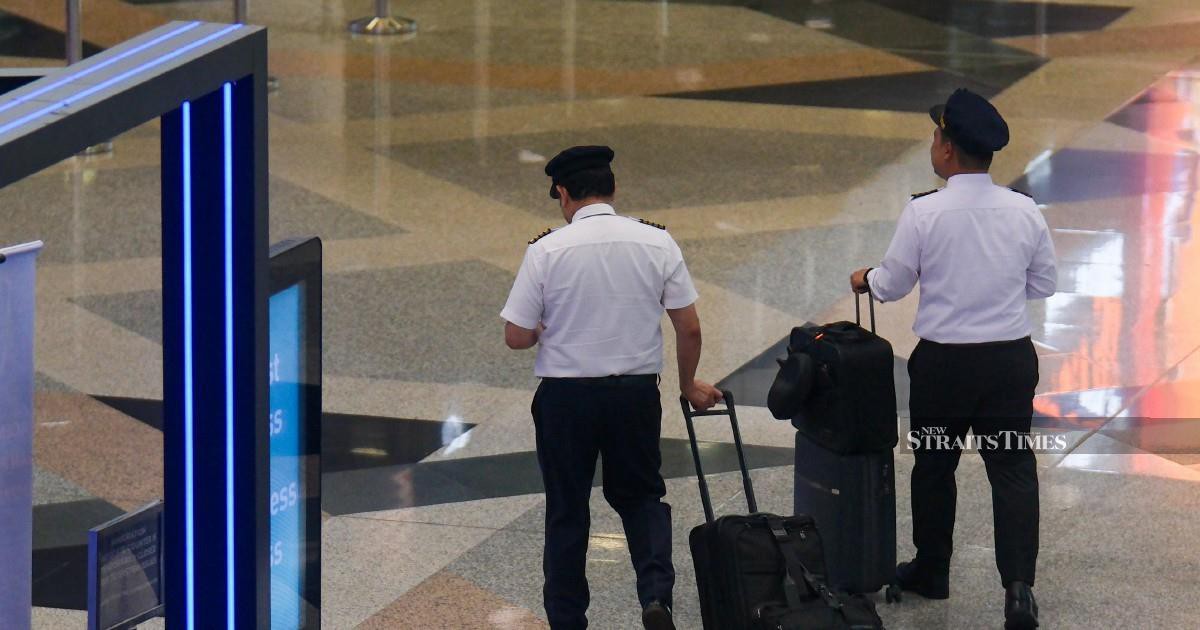
The arrest of a Malaysian pilot in Indonesia carrying drugs has triggered fresh calls for a comprehensive examination of security procedures at Kuala Lumpur International Airport, with Malaysia Corruption Watch warning that the inquiry must extend far beyond identifying which agency bears responsibility for the incident. MCW has publicly emphasized that the investigation should shift its focus toward uncovering systemic weaknesses that may have permitted contraband to pass through the nation's premier aviation gateway, a stance that reflects growing concerns about the adequacy of existing screening protocols.
The timing of MCW's intervention is significant given Malaysia's position as a major international aviation hub. KLIA processes hundreds of thousands of passengers and crew members monthly, and any vulnerability in its security architecture carries implications not only for Malaysia's reputation but also for regional air transport integrity. The organization's push for a security-focused inquiry rather than a blame-centered approach suggests that identifying individual culpability, while important, may distract from the more pressing need to fortify institutional safeguards that protect the airport from being exploited for illicit purposes.
MCW's position underscores a critical distinction in investigative methodology. Rather than simply determining which specific government body failed in its oversight function, the watchdog body is advocating for a thorough audit of screening mechanisms, staff protocols, and detection systems that collectively form KLIA's defensive perimeter. This broader analytical framework would potentially reveal whether technological limitations, training gaps, or procedural inconsistencies created opportunities for contraband to slip through undetected, issues that transcend questions of inter-agency accountability.
The incident itself has already highlighted the vulnerabilities that can emerge in complex, multi-layered transportation security systems. An airport of KLIA's scale operates through numerous checkpoints and verification stages, each theoretically designed to catch prohibited materials. When a pilot—an individual whose background, credentials, and movement patterns are supposedly more closely scrutinized than ordinary travellers—successfully transported drugs raises troubling questions about whether these layers are functioning effectively or whether they contain blind spots that determined smugglers can exploit.
From a Malaysian governance perspective, MCW's intervention represents an important corrective to the tendency of administrative inquiries to become bureaucratic blame-games. Public institutions and government departments frequently face pressure to deflect responsibility onto their counterparts, resulting in investigations that prioritize exculpation over systemic improvement. By explicitly calling for the investigation to examine security infrastructure rather than pursue inter-agency finger-pointing, MCW is advocating for a approach that would yield actionable intelligence about specific reform measures required at KLIA.
The implications for airport security nationwide are substantial. Malaysia operates multiple international airports beyond KLIA, all of which presumably operate under similar security frameworks and procedures. If weaknesses are identified at KLIA—the flagship facility with theoretically the most robust systems and funding—these vulnerabilities may exist in magnified form at secondary airports. A comprehensive security review could therefore generate insights applicable across Malaysia's aviation network, strengthening border integrity at numerous points of international entry and exit.
International aviation authorities and regional partners also have a stake in the outcome of this investigation. The Association of Southeast Asian Nations region has pursued various multilateral initiatives to enhance aviation security, and security lapses at major regional hubs can undermine confidence in the integrity of the broader network. An investigation that identifies and addresses systemic vulnerabilities would demonstrate Malaysia's commitment to maintaining standards consistent with international best practices, thereby preserving the country's standing within regional aviation governance structures.
The drug smuggling incident also raises questions about the adequacy of personnel vetting procedures for airport workers and crew members. While pilots undergo extensive background checks and professional licensing requirements, these screening mechanisms may not effectively identify individuals who subsequently become involved in illicit activities or who experience financial pressures that motivate them to engage in smuggling. MCW's emphasis on security systems implicitly includes examining whether personnel monitoring protocols require enhancement to identify behavioral indicators or financial red flags that might warrant heightened scrutiny.
Technology represents another crucial dimension of airport security that an effective investigation should examine. KLIA, like major airports globally, deploys advanced scanning equipment, biometric systems, and data analytics platforms intended to detect contraband and identify suspicious patterns. If these technological systems failed to intercept the drugs in question, the investigation should determine whether equipment was operating at full capability, whether staff received adequate training in system operation, or whether security procedures permitted individuals to bypass technological checkpoints through procedural shortcuts.
MCW's call for a security-centric investigation also reflects lessons from aviation incidents internationally. Major airports have occasionally experienced significant security breaches, and post-incident reviews have consistently identified that systemic deficiencies—rather than isolated individual failures—created vulnerability. By advocating for an institutional rather than personalistic approach to investigation, MCW is aligning Malaysia's response with international best practices in post-incident analysis and continuous security improvement.
For Malaysian authorities, MCW's intervention provides political cover to conduct the kind of comprehensive institutional review that might otherwise encounter resistance from agencies concerned about damage to their reputation or operational autonomy. When civil society organizations publicly endorse the security-focused approach, it becomes more difficult for government bodies to resist transparent examination of their procedures and protocols. This creates a window of opportunity for genuine reform that extends beyond the immediate incident to address broader infrastructure and procedural vulnerabilities.
The investigation's eventual findings will likely determine whether KLIA's security architecture requires modest adjustment or comprehensive overhaul. Regardless of the specific conclusions, MCW's emphasis on systemic analysis rather than agency attribution represents a more constructive framework for converting an unfortunate incident into an opportunity for institutional strengthening. For Malaysian readers and regional observers, the quality of this investigation will signal whether the country is capable of extracting genuine security improvements from enforcement challenges or whether inquiries remain mired in bureaucratic self-protection.

