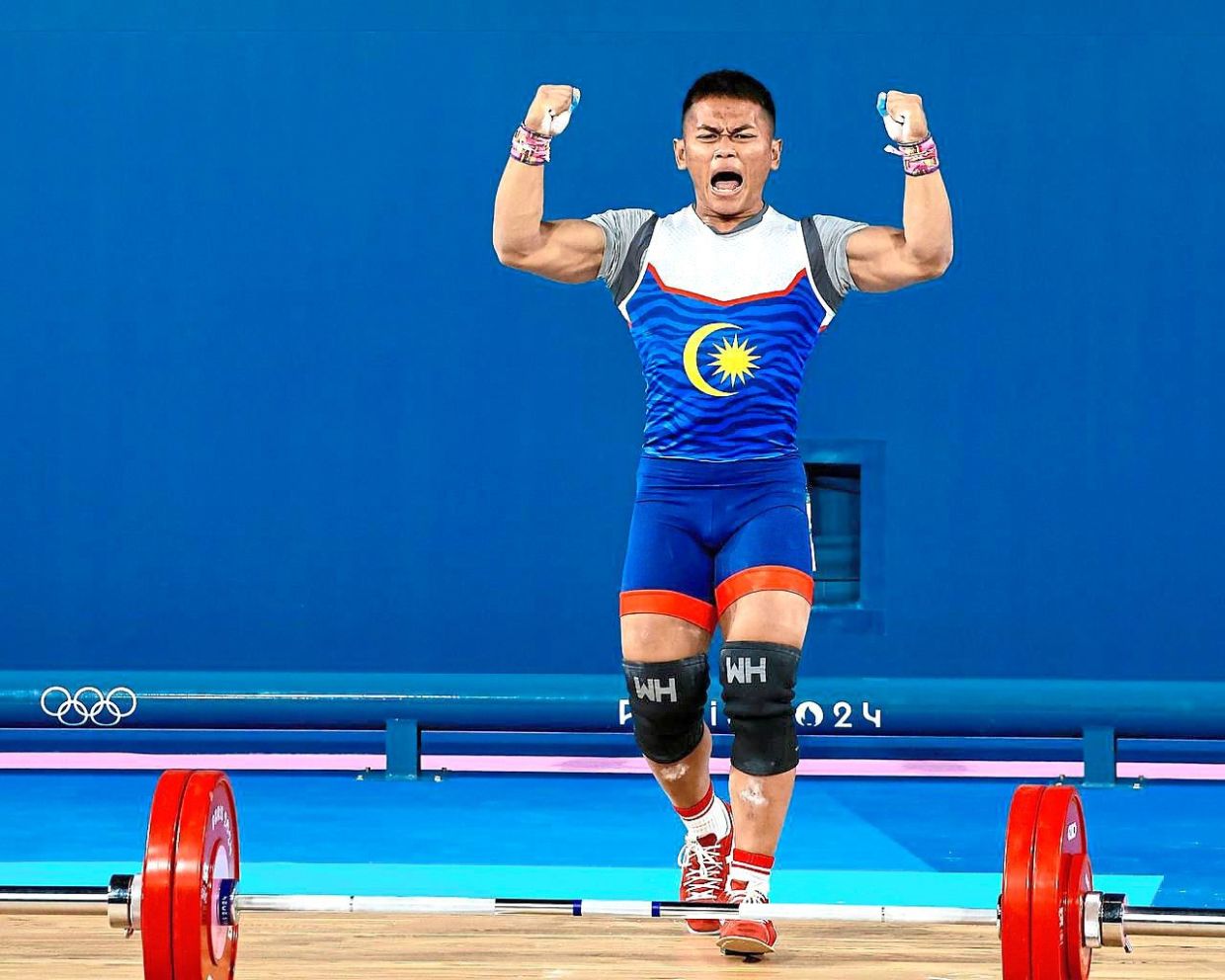
The Malaysian weightlifting team's exceptional results at last month's Glasgow Commonwealth Games have prompted the government to substantially increase its investment in the sport. The Youth and Sports Ministry has committed an extra RM1 million in funding, a decision reached after consultations between Minister Dr Mohd Taufiq Johari, the Malaysian Weightlifting Federation and the National Sports Council regarding the strategic strengthening of weightlifting development across all levels, from grassroots to elite performance.
Weightlifting emerged as Malaysia's most prolific medal producer at the Glasgow Games, a significant achievement that underscores the sport's growing strength on the international stage. The squad returned home with five gold medals alongside one silver and one bronze, collectively accounting for more than half of Malaysia's entire Commonwealth Games medal tally of eight golds, three silvers and five bronzes. This disproportionate contribution from a single sport demonstrates both the quality of Malaysia's weightlifting infrastructure and the potential for further expansion if resources are properly allocated.
Beyond the immediate cash injection, the ministry has mapped out a comprehensive upgrading programme for the sport's physical infrastructure. The centrepiece of this development plan is the transformation of the Rompin weightlifting training centre into a full-fledged Sports Centre of Excellence. Such facilities typically incorporate world-class training apparatus, accommodation for athletes, medical and scientific support services, and technical resources that elevate competitive standards and attract both talent and international recognition.
An equally significant component of the support package involves human capital investment. The ministry has approved the appointment of a dedicated full-time coach who will be permanently stationed at Rompin, with specific responsibility for nurturing female athletes in the sport. This focused intervention addresses a critical gap in Malaysia's weightlifting ecosystem, as women's participation and success in the sport has historically lagged behind male counterparts despite growing global trends favouring gender parity in competitive weightlifting.
The timing of this intervention aligns with Malaysia's broader sporting calendar. The government has pledged to expand the athlete quota within the National Sports Council's development programme following the conclusion of the Malaysia Games, commonly known as Sukma. This expansion will not represent an across-the-board increase but rather a strategically targeted one, prioritising competitors who demonstrate exceptional potential and satisfy rigorous selection benchmarks. Such an approach aims to channel resources toward athletes most likely to deliver medal returns at regional and international competitions.
For Malaysian sports observers, the Glasgow outcome carries particular resonance given the sport's historical position in the national athletic portfolio. Weightlifting had long been considered a niche discipline, overshadowed by badminton, squash and other traditionally dominant Malaysian sports. The recent Commonwealth Games performance suggests a recalibration may be underway, with weightlifting transitioning from marginal to mainstream status within national sports planning.
From a Southeast Asian perspective, Malaysia's investment in weightlifting reflects regional competitive dynamics. Countries including Thailand, Vietnam and Indonesia have substantially ramped up their weightlifting programmes in recent years, recognising the sport's efficiency in generating Olympic and Commonwealth medals. By securing these resources now, Malaysia positions itself to remain competitive within the region while establishing foundations for sustained success at multiple competitive levels.
The minister's framing of the support as both recognition and investment signals a strategic shift in how the government evaluates sporting success. Rather than treating medals as isolated achievements worthy of ceremonial praise, the ministry is treating them as indicators of latent capacity requiring structural support. This perspective suggests policymakers increasingly understand that sustained international competitiveness demands consistent, long-term institutional development rather than episodic interventions.
The commitment to grassroots development represents perhaps the most far-sighted element of the package. International sporting experience demonstrates that medal-winning performances at elite levels depend fundamentally on robust talent identification and development systems operating at community level. By directing resources toward foundational training infrastructure alongside elite-focused interventions, Malaysia is building a sustainable pipeline rather than merely capitalising on current champions.
Looking forward, the success at Glasgow and the resulting government support create momentum that extends beyond funding announcements. Increased visibility and government backing typically attract corporate sponsorship, media attention and social interest—all factors that drive participation and enhance the sport's profile among younger Malaysians. Weightlifting could potentially emerge as a compelling pathway for young athletes seeking international recognition and competitive opportunities.
The broader implication concerns resource allocation within Malaysia's overall sports ecosystem. With limited government funds available, decisions to prioritise certain sports inevitably affect others. The weightlifting investment reflects confidence that the sport can deliver sustained returns on investment and that current excellence is reproducible rather than merely exceptional.

