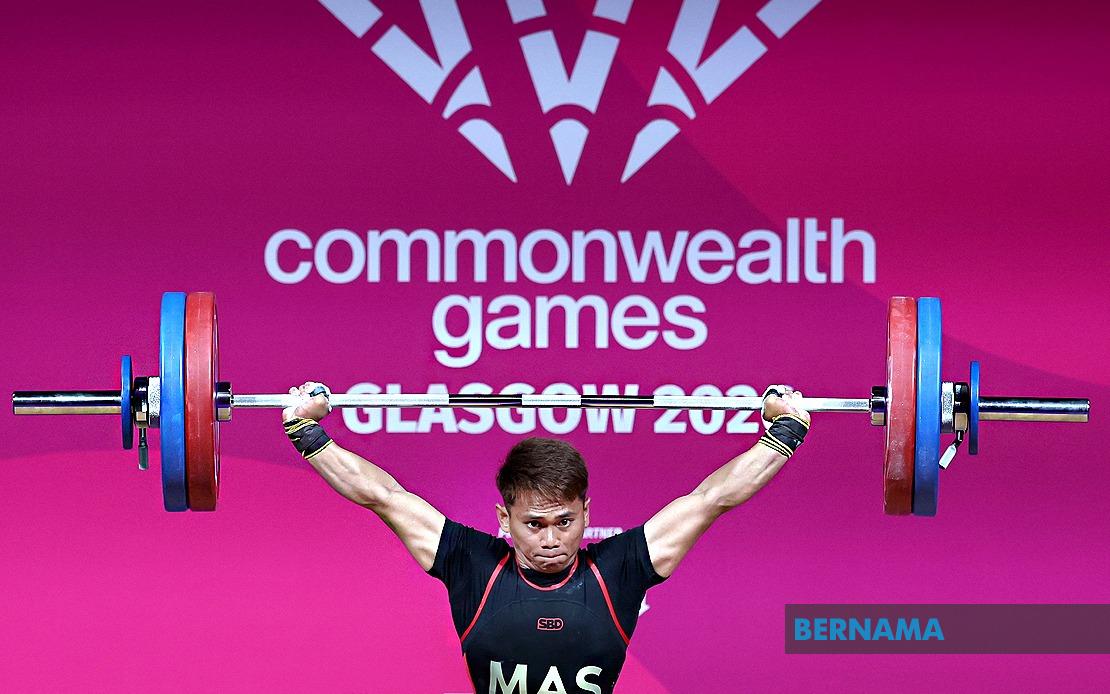
Malaysia has secured its maiden gold medal at the 2026 Commonwealth Games through weightlifter Mohamad Aniq Kasdan, a breakthrough achievement that has drawn congratulations from Prime Minister Datuk Seri Anwar Ibrahim. The 24-year-old athlete's victory at the Scottish Event Campus (SEC) Armadillo in Glasgow marks a significant moment for Malaysian sport on the Commonwealth stage, with the premier offering praise and encouragement to the broader contingent competing at the event.
Anwar's message of national pride underscores the symbolic importance of early medal success for Malaysia's sporting credentials. The Prime Minister's public endorsement, shared across social media platforms, reflects the government's investment in and commitment to developing Malaysia's athletic talent. Such high-level recognition also sets a positive tone for remaining competition, potentially galvanising other athletes to pursue podium finishes throughout the Games period.
The weightlifter's performance was technically commanding, combining strength and precision to achieve a combined lift of 273 kilograms across the two disciplines. His snatch component reached 121 kilograms, whilst his clean and jerk lift of 152 kilograms demonstrated the explosive power required at elite competitive levels. This total not only secured the gold medal but also established a new benchmark for the men's 60 kilogramme category at Commonwealth Games competition.
Aniq's winning margin over his closest competitors was decisive. India's Rishikanta Singh Chanambam claimed the silver medal with a 264 kilogramme combined lift, placing him nine kilograms behind the Malaysian champion. Kenya's Joshua Amunga Mboya completed the podium in third position with 260 kilograms, a further four kilogramme deficit. The strength of the field demonstrates that Aniq's achievement was earned against quality international opposition rather than a weak field.
The Commonwealth Games have long provided a platform for emerging athletic talent from across the member nations, and Aniq's breakthrough suggests the Malaysian weightlifting programme is developing productive talent pipelines. His status as a relatively young competitor at 24 years old indicates potential for continued progression and additional medal opportunities at future major competitions. The coaching and support infrastructure that has enabled his success warrants examination as a model for other Malaysian sports seeking to develop international-standard performers.
For Malaysia's broader Commonwealth Games campaign, capturing early gold medals generates momentum and positive media coverage that can elevate public interest in the competition. The psychological advantage of leading the medal count during the early stages of Games competition often translates to increased motivation for remaining athletes and enhanced confidence within the delegation. Anwar's exhortation for other Malaysian competitors to build upon Aniq's foundation reflects strategic thinking about maintaining competitive intensity throughout the event.
The Glasgow Commonwealth Games represent the latest iteration of a competition that has historically served as a significant proving ground for Commonwealth nations. The venue selection in Scotland, a constituent part of the United Kingdom, underscores the Games' role in strengthening connections across the Commonwealth family. For Malaysia, participation at this level remains crucial for maintaining elite athlete development standards and international sports recognition.
Weightlifting itself occupies an interesting position within Malaysian sport, often overshadowed by more popular pursuits yet consistently producing competitive performances at regional and international levels. Aniq's gold medal raises the profile of the discipline domestically and may encourage younger participants to pursue weightlifting pathways. The technical complexity and training demands of the sport mean that success typically reflects sustained institutional support and specialist coaching expertise.
The Games record set by Aniq carries particular significance beyond the immediate medal achievement. Establishing new benchmarks in competition demonstrates not merely competitive victory but advancement of the sport's technical standards. The record may become a target for future competitors, potentially driving ongoing improvements in athletic performance at Commonwealth Games weightlifting events. This incremental advancement of standards across time represents the broader value of major multi-sport competitions.
Looking forward, the Malaysian contingent will seek to expand upon this initial golden achievement as the Glasgow Games progress. The momentum established by Aniq's success provides psychological and narrative foundation for teammates competing in subsequent events. In competitive sport, such early medal successes frequently correlate with elevated performance levels across broader delegations, suggesting the potential for Malaysia to accumulate additional medals throughout the Games period.
The Prime Minister's engagement with sporting achievement reflects broader governmental recognition that elite athletic success carries diplomatic and soft power dimensions. Nations that perform strongly at major international competitions gain enhanced international profile and prestige. For Malaysia, maintaining competitive relevance at Commonwealth Games level represents an important element of the nation's international standing within the broader Commonwealth framework and across Asia-Pacific sporting circuits.

