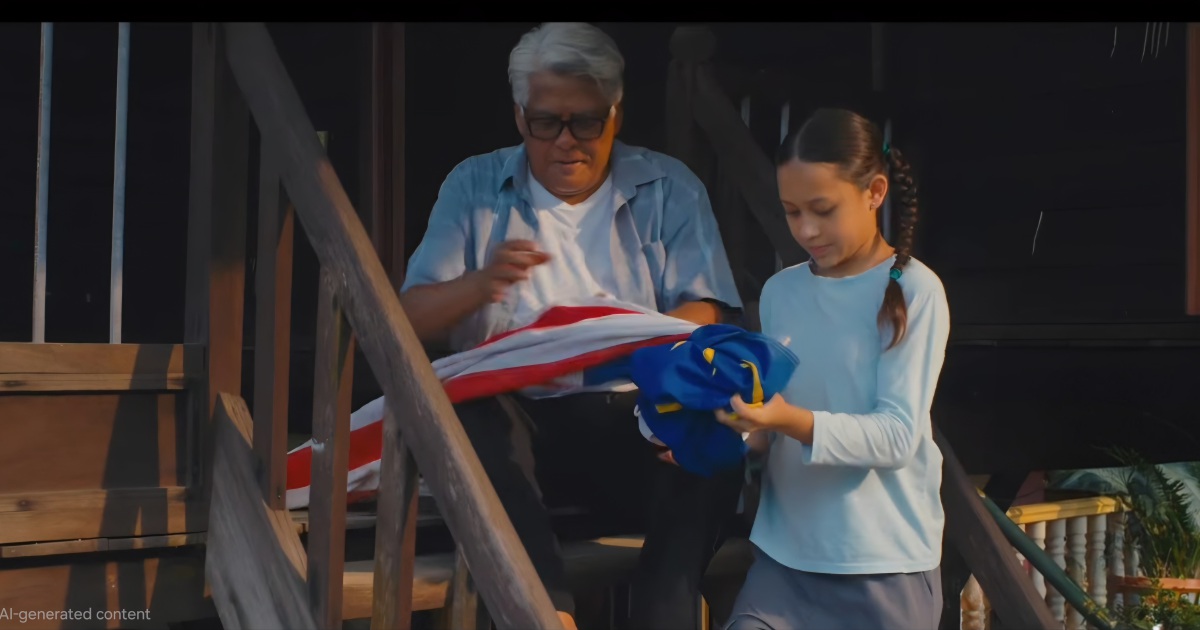
As Malaysians mark another Hari Kebangsaan, an eight-minute video posted by Deputy Prime Minister Datuk Seri Fadillah Yusof on his Facebook page has emerged as an understated yet meaningful contribution to the nation's independence day discourse. The carefully crafted message, which emphasises the collective ownership of Malaysia's national identity, has quietly captured attention across online platforms, reflecting broader conversations about what unity means in contemporary Malaysian society.
The timing of such a message carries particular significance. At a moment when Malaysia continues navigating questions about social cohesion, religious pluralism, and shared national purpose, a senior government figure articulating the principle that the nation belongs to all its inhabitants sends a deliberate signal about the administration's values. For many observers, the video's gentle but clear assertion cuts through polarising rhetoric that has occasionally dominated public discourse in recent years.
The deputy prime minister's decision to centre his Merdeka message around inclusivity reflects a deliberate political positioning. Rather than focusing solely on historical narratives or ceremonial aspects of independence, the approach emphasises present-day reality—that contemporary Malaysia is home to Malaysians of diverse backgrounds, beliefs, and communities. This framing proves particularly resonant in a multicultural context where questions of belonging and national identity remain emotionally charged topics.
Social media engagement with the video suggests that the message has struck a responsive chord among segments of the online Malaysian population. In an environment where political communications often generate polarisation, a straightforward affirmation of shared national space appears to have offered something different—a relatively non-divisive expression of patriotism that does not require citizens to compromise their individual identities or affiliations.
The production quality and deliberate pacing of an eight-minute video distinguishes this from standard political messaging. The length allows for nuanced expression rather than reductive slogans, while the choice of format suggests careful consideration of how to communicate across diverse audience segments. Video content performs particularly well on Facebook, which remains Malaysia's dominant social media platform, especially among older and more established demographic groups.
For Malaysian audiences accustomed to political discourse centred on representation, resource distribution, and historical grievances, a message prioritising the notion of collective national ownership provides an alternative frame. It does not dismiss legitimate concerns about minority rights, majority privileges, or institutional equity. Rather, it attempts to locate these conversations within a broader framework of shared citizenship and mutual responsibility.
The video's release during Hari Kebangsaan specifically positions it within the national calendar of celebration and reflection. Independence day traditionally invites stock-taking about the nation's progress and direction. By releasing such a message at this juncture, Fadillah Yusof contributes to the broader conversation about what independence and nationhood should signify in Malaysia's seventh decade and beyond.
Politically, the move demonstrates an awareness that messaging around national unity carries currency in Malaysian public life, particularly when articulated by figures in the executive hierarchy. The deputy prime minister's standing lends weight to such pronouncements, while his role in government suggests that the message reflects, or at least shapes, the administration's broader approach to questions of national identity and social cohesion.
The organic nature of the online response—characterised as the video "quietly striking a chord"—suggests that the message resonates through its apparent authenticity rather than through intensive promotion or coordination. In an age of sophisticated digital manipulation and orchestrated campaigns, content that appears to succeed through genuine connection with audiences holds particular interest for observers of Malaysian political communication.
From a regional perspective, Malaysia's approach to articulating national unity in a multicultural, multireligious context carries implications beyond its borders. Neighbouring countries in Southeast Asia wrestle with similar questions of national cohesion amid diversity. Messages emphasising inclusive nationhood, particularly when voiced by government officials, contribute to regional conversations about how plural societies construct shared political identities.
The video also arrives at a moment when questions about institutional governance, representation, and social contract have featured prominently in Malaysian public debate. By foregrounding the principle of collective belonging, the message implicitly addresses concerns about whether all segments of the population feel genuinely represented within the national project. Whether the message translates into tangible policy shifts or institutional reforms remains a separate question, but its symbolic significance should not be underestimated.
Looking forward, the reception of such messaging may influence how political figures approach discussions of national identity and unity. If content emphasising inclusive patriotism demonstrates genuine resonance with Malaysian audiences, it may encourage others in leadership to adopt similar framings, potentially shifting the tenor of public political discourse toward less divisive articulations of national purpose.
Ultimately, Datuk Seri Fadillah Yusof's Merdeka video represents an investment in a particular vision of Malaysia—one where national identity encompasses all citizens regardless of background, and where the project of nation-building remains fundamentally inclusive. Whether this vision translates into concrete political reality will depend on how such messaging is backed by institutional action and policy commitment in the months and years ahead.

