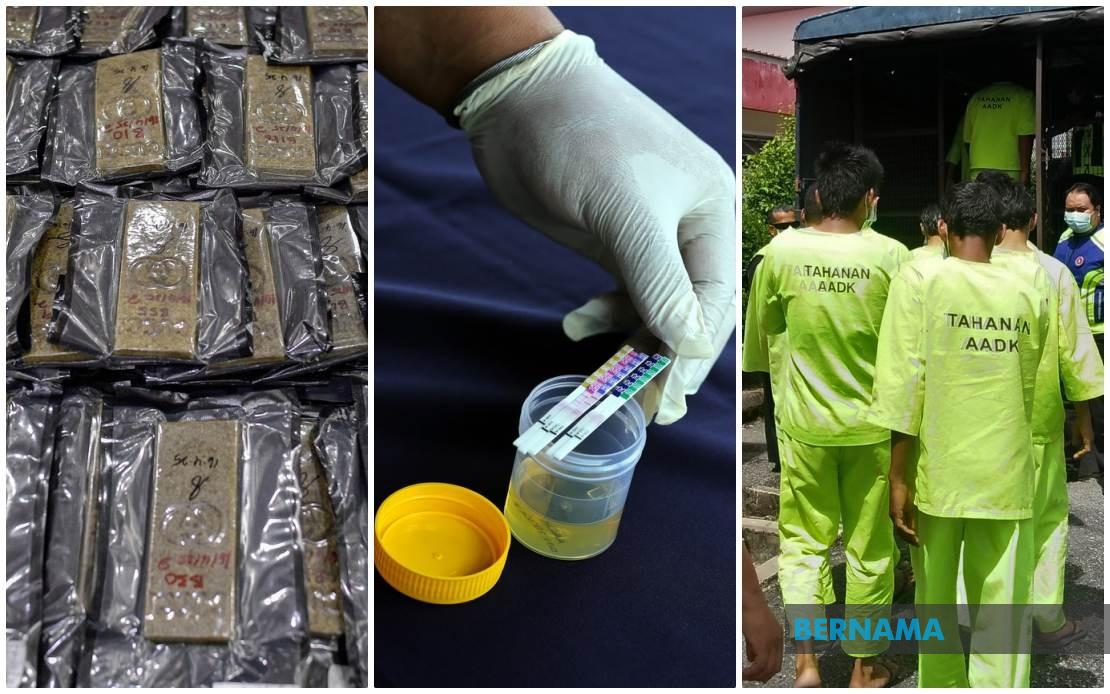
Malaysia's battle against synthetic drug abuse has reached critical proportions, with Home Minister Datuk Seri Saifuddin Nasution Ismail revealing that over 141,000 cases were recorded last year—a troubling escalation in a problem that shows no signs of abating. The mounting figures underscore how synthetic substances have become the dominant threat in the country's drug landscape, fundamentally reshaping enforcement priorities and treatment strategies across government agencies.
The trajectory of the crisis reveals a rapidly worsening situation. The 145,526 cases documented in 2023 gave way to a staggering 192,852 cases in 2024, indicating that the problem is accelerating rather than stabilizing. These numbers translate to 560 cases per 100,000 Malaysians in the first five months of this year alone, a rate that speaks to the pervasiveness of synthetic drug use across communities. What makes this particularly alarming is that synthetic drugs—dominated by Amphetamine-Type Stimulants including methamphetamine—now constitute approximately 70 per cent of all drug abuse incidents, a dramatic shift from the heroin and cannabis-dominated patterns of previous decades.
Geographic analysis reveals that the east coast corridor has emerged as a particular flashpoint. States along Malaysia's eastern seaboard face disproportionately high concentrations of synthetic drug cases, with district-level data showing Pendang registering the highest incidence rate, followed closely by Kuala Krai. Towns like Bachok, Besut, and Mersing also rank among the most heavily affected areas in the nation. This geographic concentration suggests that while synthetic drugs are a nationwide problem, certain communities face exceptional vulnerability—a reality that demands targeted intervention strategies rather than one-size-fits-all approaches.
The demographic profile of those caught in the synthetic drug trap reveals a troubling youth crisis. Nearly 75 per cent of recorded cases involve individuals aged between 15 and 39, meaning Malaysia's most economically productive generation is being significantly impacted by substance abuse. This age concentration has profound implications for workforce development, education outcomes, and social stability across regions already grappling with economic challenges. The prison system bears stark testimony to the scope of this problem; approximately 70 out of every 100 inmates nationwide are linked to drug-related cases, whether convicted or awaiting trial. In certain facilities like Machang, nearly all prisoners have drug-related charges, effectively making these institutions holding pens for a chemically dependent population rather than rehabilitation centers.
The emergence of fentanyl represents an escalating threat that authorities are only beginning to fully appreciate. Though not yet reaching epidemic proportions compared to other synthetic drugs, fentanyl's detection in adulterated vapes and other products signals a dangerous new frontier in drug distribution. This substance is exponentially more potent than morphine, capable of inducing death from minuscule quantities, and its presence in street drugs—often unknown to users—creates unprecedented overdose risks. The government's recent addition of fentanyl to controlled substance schedules through amendments to the Drug Dependants Act and the Dangerous Drugs Act 1952 represents a regulatory response, but enforcement capacity may lag behind the sophistication of supply chains already introducing this substance into Malaysian markets.
What distinguishes the current synthetic drug crisis from previous drug scourges in Malaysia is the complete transformation of user preferences. The traditional drugs that once dominated—cannabis, heroin, ketum, and morphine—have been superseded by laboratory-synthesized compounds that often have no legitimate medical applications or extremely narrow therapeutic windows. This shift reflects both changing supply dynamics and evolving user demand, but it also complicates treatment and rehabilitation efforts since synthetic drugs present distinct pharmacological challenges compared to plant-based substances. Methamphetamine, the dominant synthetic drug of choice, creates powerful psychological dependencies alongside physical withdrawal symptoms that many treatment programs may not be adequately equipped to address.
The role of technological advancement in fueling synthetic drug distribution cannot be overlooked. The proliferation of online platforms where drugs are bought and sold with minimal regulatory oversight has fundamentally altered enforcement dynamics. These digital marketplaces operate largely beyond traditional policing mechanisms, creating what Home Minister Saifuddin Nasution describes as an enforcement blind spot. The anonymity provided by such platforms, combined with cryptocurrency payment options in some cases, makes both demand reduction and supply disruption significantly more challenging. This technological dimension means that conventional drug enforcement strategies—street-level arrests and neighborhood surveillance—capture only the visible portion of a much larger iceberg.
The National Anti-Drugs Agency, alongside the Ministry of Health, Rehabilitation Centers, and the Royal Malaysia Police, have implemented multifaceted approaches that extend beyond pure enforcement. Community-based prevention programs, educational initiatives in schools, family intervention strategies, and workplace drug awareness campaigns represent attempts at demand reduction. Customs enforcement and police operations targeting manufacture and distribution seek to constrain supply. Yet the relentless rise in case numbers suggests that these initiatives, while necessary, remain insufficient to counter the forces driving synthetic drug proliferation. The 192,852 cases recorded in 2024 alone indicate that prevention and treatment infrastructure may be overwhelmed by demand, creating a situation where enforcement largely manages symptoms rather than addressing root causes.
The concentration of cases in specific districts and regions offers both challenge and opportunity. While Pendang, Kuala Krai, and other affected areas face exceptional burdens on their health and enforcement systems, their concentrated geography theoretically allows for more intensive, locally-tailored interventions. Enhanced rehabilitation facilities, community support networks, and targeted prevention programs in these hotspots might achieve measurable impact more readily than diffuse national efforts. However, resource allocation to these areas requires political will and budgetary commitment, with health and law enforcement authorities needing significant augmentation to address the scale of the problem.
The distinction between synthetic drugs and traditional narcotics also carries treatment implications that remain underexplored in public discourse. Methamphetamine and related ATS create psychological dependencies that may differ substantially from opioid addiction, potentially requiring distinct therapeutic approaches. The psychological aspects—paranoia, aggression, cognitive impairment—accompanying synthetic drug abuse often necessitate mental health interventions beyond what traditional drug rehabilitation programs provide. Malaysia's rehabilitation infrastructure, already strained by rising caseloads, may lack the specialized capacity to effectively treat synthetic drug users, potentially dooming many to relapse after completing treatment.
Looking forward, the trajectory of Malaysia's synthetic drug crisis presents a complex policy challenge. Rising case numbers, expanding geographic reach, emerging substances like fentanyl, and technological facilitation of drug commerce create a problem that transcends any single agency's capacity to address. The prison system is effectively becoming a drug-abuse warehouse rather than a rehabilitation facility. Youth unemployment, limited economic opportunity in certain regions, and social disconnection may underlie demand for these substances, suggesting that addressing the crisis requires attention to broader socioeconomic factors alongside enforcement and treatment. Without significant innovation in prevention, treatment capacity, and supply disruption strategies—and absent parallel efforts to address root causes of vulnerability to drug use—Malaysia's synthetic drug caseload will likely continue its troubling upward trajectory.