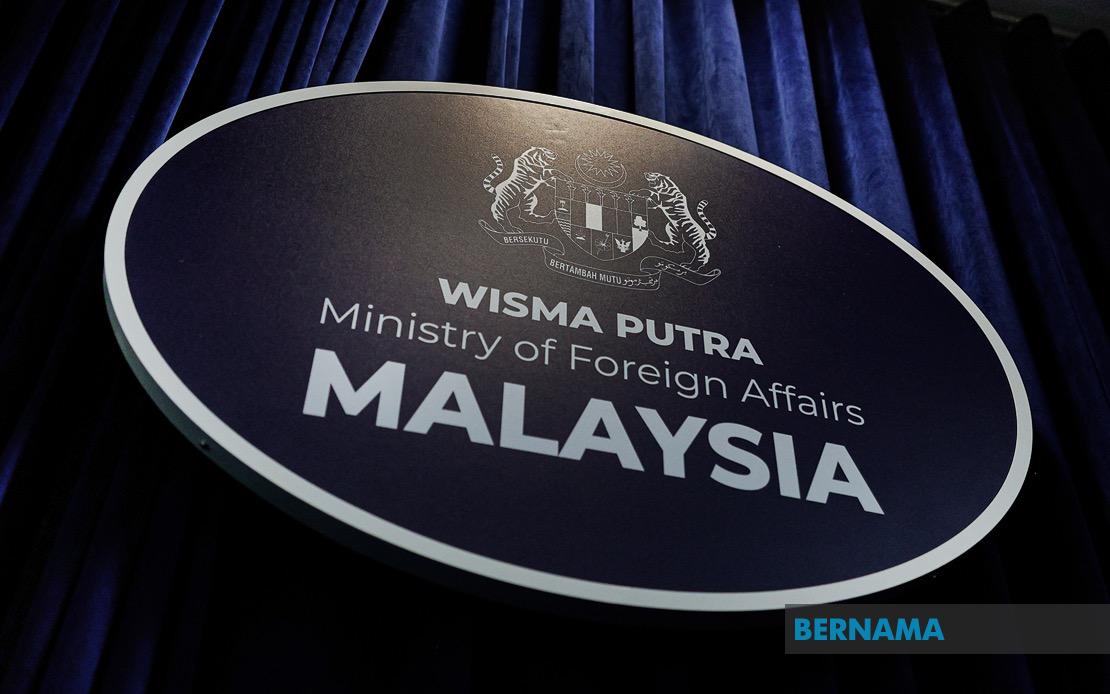
The Malaysian Foreign Ministry has established an emergency operations centre to track the safety of Malaysian citizens following devastating flooding in Nepal's Rasuwa District, though authorities have not yet confirmed any deaths or injuries involving Malaysians as of Thursday afternoon. The decision to activate crisis protocols reflects the scale of the disaster and the possibility that Malaysians may have been caught in the affected regions, even as ministry officials stress that unverified social media reports circulating about potential casualties remain unconfirmed and should be treated with caution.
Wisma Putra, through its public advisory, sought to establish a clear line of communication with the public while simultaneously restraining panic. The ministry's operations room, activated from midday Thursday in Putrajaya, represents the government's formal commitment to systematic information gathering and coordination. Rather than relying on fragmentary reports from social platforms, which have become notorious vectors for misinformation during regional disasters, Malaysian officials are channelling inquiries through official pathways designed to produce verified, actionable intelligence about nationals in the region.
The flooding in Rasuwa District has emerged as a significant hydrometeorological event, and the district's proximity to popular trekking and tourism routes means Malaysian adventurers and tourists may have been present. Nepal attracts thousands of Southeast Asian visitors annually, drawn to the Himalayas for mountaineering, hiking, and spiritual tourism. The potential for Malaysian involvement, therefore, cannot be dismissed, even if numbers remain uncertain. The ministry's emphasis on travel itineraries and last known locations suggests authorities are actively reconstructing the movements of citizens who were in Nepal when the disaster struck.
The Foreign Ministry's multilateral approach demonstrates the diplomatic complexity of modern crisis response. Rather than limiting coordination to the Embassy in Kathmandu alone, Wisma Putra has activated consular officers at the High Commission in New Delhi and the Embassy in Beijing, recognizing that Malaysian nationals may have scattered across neighbouring countries during evacuation or may have been assisted by diplomatic missions in adjacent jurisdictions. This geographic flexibility reflects lessons learned from previous regional emergencies and acknowledges the interconnected nature of travel and rescue operations in South and East Asia.
Wisma Putra's specific request for comprehensive personal data from families—full names, passport numbers, detailed travel plans, and contact telephone numbers—underscores the practical requirements of disaster response verification. In fragmented emergency situations where communication infrastructure may be compromised and identification systems overwhelmed, such granular information becomes essential for cross-referencing hospital records, rescue lists, and international repatriation rosters. The dual channels for submitting information, via telephone and email at both the ministry's operations room and the Kathmandu embassy, provide flexibility for different communication circumstances and ensure redundancy in information collection.
The ministry's admonishment against sharing unverified information addresses a persistent challenge in contemporary crisis management: the acceleration of rumours through social media. During regional disasters, fragmentary and often inaccurate reports spread rapidly, causing distress to families and potentially diverting resources from verified emergencies. By publicly requesting restraint from both the general public and media organisations, Wisma Putra has attempted to establish a norm that prioritizes accuracy over speed in reporting Malaysian involvement in international calamities. This reflects broader governance challenges in an era where information ecosystems reward sensationalism and immediate publication.
The broader regional context matters significantly for Malaysian stakeholders. Nepal remains an important destination for Malaysian tourists, trekkers, and adventure seekers, particularly those pursuing spiritual or athletic goals in the Himalayan regions. The flooding in Rasuwa District, located in central Nepal along major trekking routes, potentially disrupted numerous Malaysian-led expedition groups and individual travellers. The coordinated response from Wisma Putra suggests that preliminary inquiries may have identified possibilities of Malaysian presence, even if confirmatory evidence remains pending. For Malaysian families with relatives in Nepal, the absence of official confirmation creates anxious uncertainty that the ministry's systematic approach aims to resolve through evidence-based investigation rather than speculation.
The activation of emergency protocols also reflects Malaysia's diplomatic standing and crisis management capabilities within the region. Nepal, as a neighbour to South Asia's largest economies and a gateway to Asian tourism, has diplomatic relationships with nations worldwide, including Malaysia. The competence and speed with which Malaysia's Foreign Ministry responds to this emergency affects not merely the outcome for Malaysian citizens but also the country's reputation for consular efficiency and crisis preparedness. Regional and international observers assess how nations care for their citizens abroad, and Wisma Putra's transparent, methodical approach sends signals about Malaysian professionalism.
For Malaysian residents and travellers currently in Nepal or planning journeys to the country, the Foreign Ministry's advisory introduces an important safety consideration. Beyond the immediate flood threat, travellers should register their movements through the e-Konsular portal, a digital system designed to maintain current contact information for Malaysians abroad. This registration mechanism, though often overlooked by casual travellers, becomes invaluable during emergencies, enabling missions to reach citizens proactively rather than waiting for families to initiate contact. The ministry's reiteration of this advice during the Nepal crisis implicitly encourages behavioural change among Malaysian travellers regarding disaster preparedness.
The role of local institutional partners—the Nepal Tourism Board, hospitals, travel agencies, and rescue organisations—indicates that Malaysia's crisis response operates through collaboration with in-country resources. Rather than attempting independent Malaysian-led rescue operations, Wisma Putra has positioned itself as an information node within Nepal's existing emergency management ecosystem. This approach recognizes both the limitations of bilateral capacity and the advantages of working within established local structures. Nepalese authorities naturally lead on-ground operations, and Malaysian missions serve as advocates for and coordinators of their citizens' interests within that framework.
As of Thursday, the ministry committed to providing further updates once verified information becomes available, signalling that preliminary investigation phases would precede public announcements. This sequencing discipline reflects best practices in disaster communication: withholding confirmation until evidence solidifies rather than releasing preliminary figures that may require subsequent correction. For Malaysian families with members potentially affected, this may mean hours or days of uncertainty, but it also means that eventual official information, when provided, will carry the weight of verification. The challenge for Wisma Putra involves maintaining public confidence in its process while managing legitimate family anxiety about relatives in affected regions.

