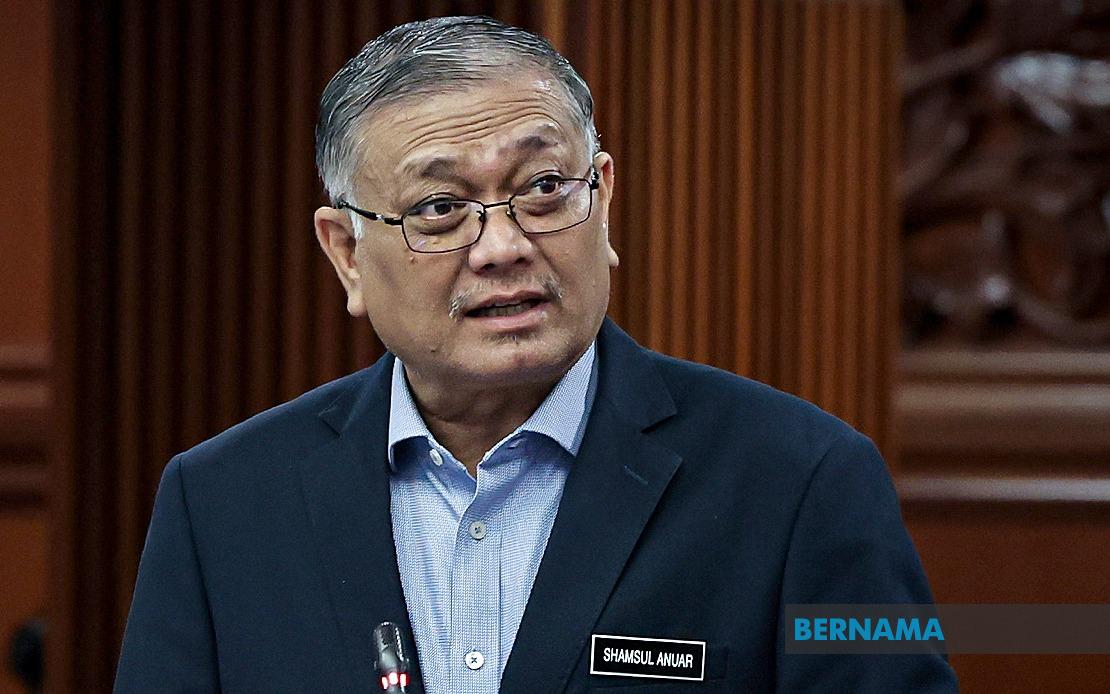
Malaysia's approach to citizenship applications remains rooted in a merit-based framework that considers each case on its individual circumstances, Deputy Home Minister Datuk Seri Dr Shamsul Anuar Nasarah clarified during parliamentary proceedings on July 8. His remarks addressed longstanding questions about eligibility pathways for Malaysians facing bureaucratic obstacles, particularly those involving children born overseas to Malaysian mothers, signalling that the death of a parent does not categorically exclude applicants from pursuing citizenship status.
The deputy minister's statement represents an attempt to balance competing national interests: expanding pathways for those with genuine claims to Malaysian citizenship whilst maintaining stringent security protocols to protect national sovereignty. Each application undergoes a comprehensive vetting process that incorporates background investigations, document authentication and security clearance procedures. This multi-layered approach reflects official concern about ensuring that citizenship grants go only to qualifying individuals who pose no security risk to the country.
For adults aged 21 and above who have never previously applied for citizenship, naturalisation remains an available option under Article 19 of the Federal Constitution. However, this pathway carries specific prerequisites that applicants must satisfy. These include holding permanent resident status, satisfying a prescribed residency duration, demonstrating upstanding character credentials and achieving an acceptable proficiency level in the Malay language. The language requirement particularly underscores the government's emphasis on social integration and cultural assimilation as components of citizenship eligibility.
Recognising that processing delays have created genuine hardship for applicants, the Home Ministry has committed to resolving complete applications within a twelve-month timeframe. This performance target operates under close departmental oversight, reflecting administrative acknowledgment that backlogs undermine public confidence in the system. Ministry officials have acknowledged that streamlining procedures remains essential, though senior leadership insists that acceleration cannot come at the expense of assessment quality or national security safeguards.
For residents of Sabah and Sarawak, where documentation deficiencies have historically complicated citizenship claims, the government has established a dedicated Special Task Force coordinating the National Registration Department and the Sarawak Premier's Department. Through fieldwork initiatives, this task force addresses documentation gaps including unregistered births and identity document issuance for eligible applicants. This targeted intervention recognises regional particularities: East Malaysian states face unique archival and administrative challenges that require place-specific remedies.
Complementing federal efforts, a state-level committee in Sarawak reviews citizenship applications particularly under Article 15E of the Federal Constitution, a provision designed for exceptional circumstances. This committee processes applications demanding special consideration, notably those involving minors whose cases require elevated-level review. The dual-tier system effectively creates specialised consideration pathways for complex cases that do not fit standard processing frameworks.
Beyond citizenship matters, Deputy Foreign Minister Datuk Lukanisman Awang Sauni emphasised Malaysia's continuing engagement with the refugee protection agenda, particularly concerning the Rohingya humanitarian crisis. The deputy minister indicated that Malaysia would maintain its participation in ASEAN diplomatic mechanisms addressing Myanmar's instability, whilst strengthening institutional partnerships with the United Nations High Commissioner for Refugees. These efforts reflect Malaysia's positioning as a regional stakeholder committed to refugee assistance despite substantial domestic pressures.
The Rohingya displacement emergency carries implications extending beyond humanitarian concerns, the deputy minister noted. Irregular migration flows, human trafficking networks and transnational security threats represent interconnected consequences of unresolved refugee crises. Malaysia's geographic proximity to conflict zones and its established migrant communities situate the country at the convergence of these cross-border challenges, necessitating comprehensive policy responses beyond charitable impulses.
Malaysia's commitment to the ASEAN Five-Point Consensus framework demonstrates regional consensus-building around the Myanmar crisis, though officials acknowledge that durable resolution requires broader international participation. The deputy minister underscored Malaysia's advocacy for expanded international burden-sharing, particularly regarding third-country resettlement opportunities for refugees. This diplomatic positioning reflects growing frustration amongst Southeast Asian nations about bearing disproportionate humanitarian responsibilities whilst developed nations restrict refugee admissions.
The statements by both ministers reveal competing tensions within Malaysian policy frameworks. Citizenship reform must balance inclusivity with security imperatives; refugee protection must operate within capacity constraints; and regional stability efforts require international cooperation that remains inconsistently forthcoming. These tensions will likely persist as Malaysia navigates its role as both a developing nation facing internal integration challenges and a humanitarian actor within a globalised displacement crisis.

