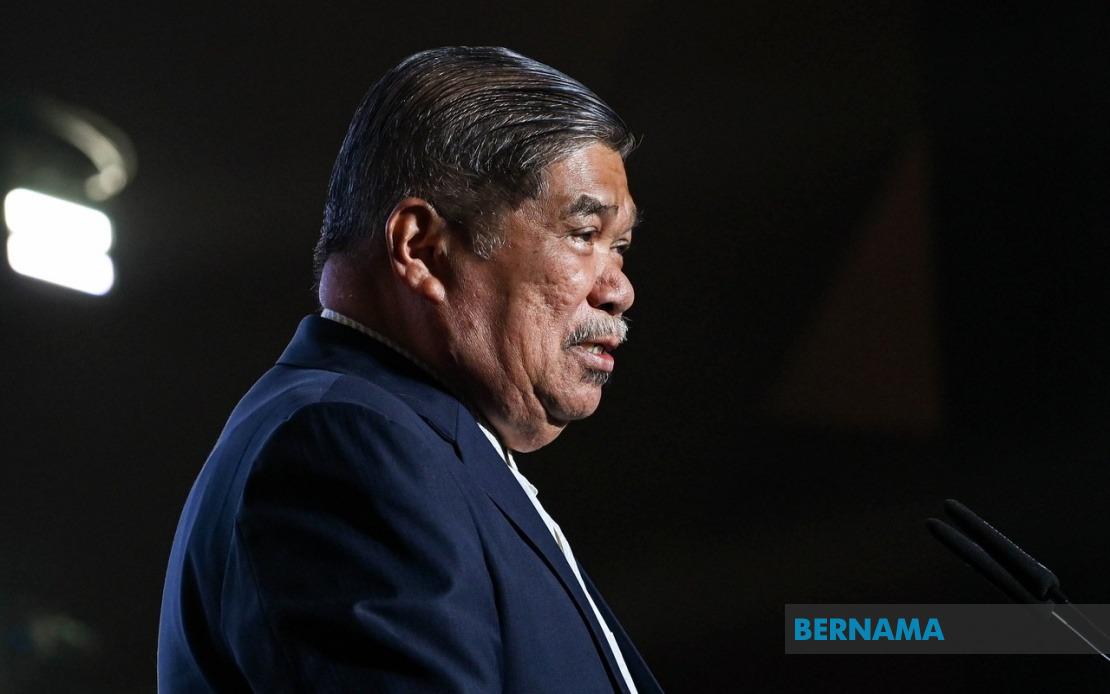
The Malaysian government anticipates completing its trade negotiations with Thailand within the coming weeks, potentially unlocking a long-standing dispute that has disrupted the region's agricultural commerce for nearly a decade. Agriculture and Food Security Minister Datuk Seri Mohamad Sabu indicated that an announcement detailing the outcome of these talks would likely materialize before the month concludes, following intensive diplomatic engagement between both nations' officials. The minister's statement came during his address at the Global Animal Production and Veterinary Industry Summit in Putrajaya, where he characterised the pace of negotiations as unusually swift by historical standards.
Central to these discussions is Thailand's longstanding import restrictions on Malaysian shrimp, a prohibition that has remained in effect since 2017. The ban has created significant friction for Malaysian exporters and continues to impact a crucial segment of the country's agricultural trade. Beyond the shrimp question, negotiators have been grappling with Malaysia's application to gain market access for its livestock products into Thailand—a matter that has languished without resolution since 2024. These parallel disputes underscore the complexity of agricultural trade relations within Southeast Asia, where safety standards, market protections, and economic interests frequently collide.
The current round of discussions has progressed to a critical stage, according to Mohamad Sabu's account. Officials from Thailand's Ministry of Agriculture recently visited Malaysia, and the minister confirmed that reciprocal inspections are being conducted as part of the verification process. This hands-on approach—involving site visits and direct verification of production facilities—represents a departure from purely bureaucratic negotiation and suggests both governments are moving toward pragmatic solutions grounded in demonstrated compliance with safety and quality standards.
Thailand has meanwhile implemented its own restrictions that complicate the relationship. The kingdom imposed a ban on shrimp imports from Malaysia effective June 1, triggering a retaliatory dynamic that has raised concerns among traders on both sides. Additionally, Thai authorities have tightened inspection protocols for Malaysian seabass exports, adding further layers of friction to the agricultural trade relationship. These measures appear designed to protect Thai producers from competition while addressing claimed sanitary concerns, a pattern familiar across the Southeast Asian agricultural sector.
The timing of these negotiations carries weight for Malaysia's broader trade strategy. As a significant aquaculture and agricultural producer, Malaysia relies on export markets to sustain its farming communities and generate foreign revenue. The shrimp sector, in particular, represents a vital export category worth hundreds of millions of ringgit annually. Resolution of the Thai ban would provide immediate commercial relief and restore market access that Malaysian producers have been denied for nearly nine years. The protracted nature of this dispute illustrates how technical and regulatory disagreements can calcify into long-term trade barriers when diplomatic channels remain clogged.
For Thailand, reaching agreement would similarly offer benefits. The kingdom is also a major seafood exporter and producer, and ongoing trade restrictions create inefficiencies and limit market opportunities. By opening channels for Malaysian products deemed safe and compliant, Thailand could benefit from competitive pricing and supply chain flexibility. The mutual advantage to resolution suggests both governments recognise the economic costs of prolonged dispute.
The agricultural sector in Malaysia has watched these negotiations with considerable anticipation. Small and medium-sized enterprises engaged in shrimp farming and export have absorbed the costs of the Thai ban through lost markets and reduced volumes. A resolution would enable these businesses to redeploy capital and labour into expanded production targeting the Thai market. The livestock sector, similarly dependent on breakthrough access to Thailand, stands to benefit from successful conclusion of these talks.
The Global Animal Production and Veterinary Industry Summit where Mohamad Sabu made his announcement assembled 108 presenters, including 51 international experts from nations including China, Australia, the United Kingdom, Indonesia and Vietnam. This convening underscores the growing sophistication and interconnectedness of the regional agricultural sector. The summit's focus on knowledge exchange and collaborative problem-solving reflects a broader regional trend toward addressing shared challenges through technical expertise and best-practice sharing. Within this context, resolution of the Malaysia-Thailand trade friction takes on added significance as a test case for how technical and regulatory disputes can be managed.
Southeast Asian agricultural trade operates within a complex framework of bilateral and multilateral agreements, quality standards, and market access protocols. Disputes like the Malaysia-Thailand shrimp issue illustrate how technical disagreements—often rooted in legitimate food safety concerns—can escalate into protectionist barriers. The resolution process offers insights into how regional trade can be managed more effectively. Success in closing the shrimp and livestock access issues could establish precedent for addressing similar disputes involving other trading partners within ASEAN.
The significance of this negotiation extends beyond commercial interest. The agricultural sector remains a cornerstone of employment and rural development across Malaysia and Thailand. Supporting smooth trade flows in agricultural commodities strengthens rural economies and supports food security across the region. Both nations have indicated commitment to resolving these matters expeditiously, suggesting recognition that prolonged agricultural trade disputes ultimately harm producers and consumers alike.
As July draws to a close, industry observers and government stakeholders across Malaysia will be monitoring for the promised announcement. If the government delivers on its timeline and the negotiations yield meaningful progress, the shrimp ban could finally be lifted and livestock market access expanded. Beyond the immediate commercial impact, such an outcome would signal that Malaysia and Thailand possess the diplomatic capacity and economic motivation to resolve technical trade disputes—a capability that carries broader implications for Southeast Asian regional integration and bilateral cooperation across multiple sectors.

