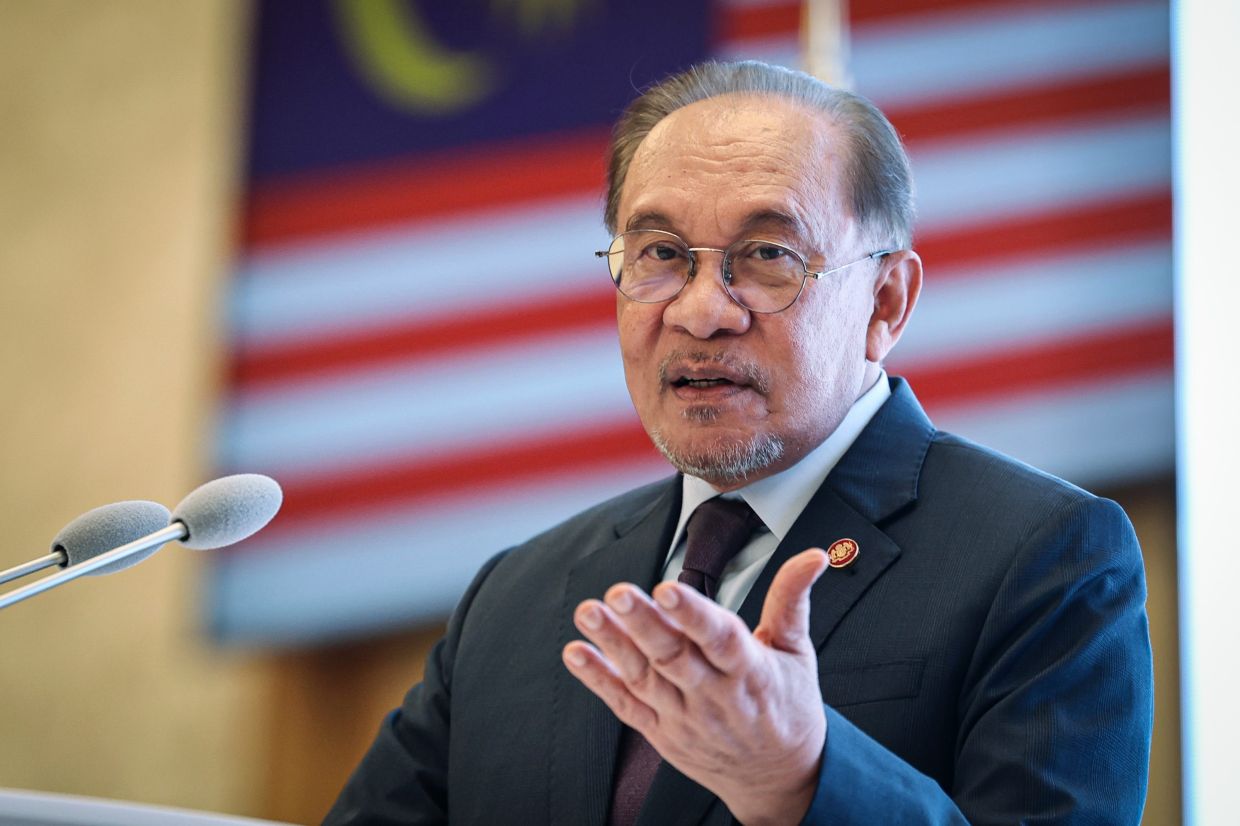
Prime Minister Datuk Seri Anwar Ibrahim has signalled that Malaysia and Singapore are moving closer to completing the master plan for the Johor-Singapore Special Economic Zone (JS-SEZ), one of the region's most ambitious bilateral economic projects. Speaking after a courtesy call with Singapore President Tharman Shanmugaratnam, who is visiting Malaysia on a three-day state visit from July 13 to 15, Anwar indicated that both countries have made meaningful headway on the initiative and expect to wrap up key planning documents within a foreseeable timeframe. The visit, conducted at the invitation of His Majesty Sultan Ibrahim, King of Malaysia, provided an occasion for the two leaders to take stock of progress on this strategically significant undertaking.
The JS-SEZ represents a defining collaboration between Malaysia and Singapore, designed to unlock economic potential along the Johor Strait while deepening commercial and industrial ties. The zone is envisioned as a catalyst for regional investment, trade, and technological innovation, offering both countries a shared framework within which to pursue mutually beneficial development. For Malaysia, the project promises to attract foreign direct investment and generate employment opportunities in Johor, while for Singapore, it provides access to larger land areas and lower-cost resources necessary for industrial expansion. The finalisation of the master plan marks a critical juncture for the project, as it will establish the regulatory framework, infrastructure requirements, and operational guidelines that will shape the zone's development for years to come.
During their bilateral meeting, Anwar and Tharman discussed not only the JS-SEZ but also the broader architecture of Malaysia-Singapore relations, which remain central to regional stability and prosperity. The two leaders reviewed recent progress on several longstanding issues between the nations, including maritime boundaries, transportation links, and water agreements that have occasionally tested diplomatic relations. According to Anwar's statement released on social media platform X, both sides expressed satisfaction with constructive momentum on these matters and recommitted themselves to resolving outstanding questions through negotiation grounded in mutual respect and shared understanding.
The emphasis on dialogue and collaborative problem-solving reflects a strategic shift in how Malaysia and Singapore approach their bilateral agenda. Rather than allowing disputes to fester, both governments have increasingly adopted a framework centred on pragmatism and the recognition that their prosperity is fundamentally intertwined. This approach extends to the JS-SEZ initiative itself, which requires sustained coordination on everything from customs procedures and labour standards to environmental protections and dispute resolution mechanisms. The willingness of both leaders to acknowledge progress publicly suggests that negotiators at the working level have cleared significant hurdles and that political momentum exists at the highest levels to push the agenda forward.
For Malaysia's broader economic strategy, the JS-SEZ carries particular importance as Anwar continues to position the country as an open, investment-friendly destination capable of competing for capital in a rapidly changing regional and global economy. The project aligns with initiatives such as Malaysia My Second Home and various free trade agreements that aim to enhance the country's profile as a hub for manufacturing, finance, and technology. By pairing Malaysian advantages in labour costs and natural resources with Singapore's financial prowess and regulatory sophistication, the JS-SEZ could become a model for how smaller Southeast Asian economies can collaborate to punch above their weight on the global stage.
The timing of this announcement also matters in the context of regional geopolitical currents. Southeast Asia faces increasing pressure from great power competition, supply chain fragmentation, and shifting investment patterns as companies seek to diversify away from China and reduce reliance on single-sourcing strategies. A fully operational JS-SEZ could position Malaysia and Singapore as attractive alternatives for multinational corporations seeking to establish manufacturing or services operations in a stable, rules-based environment. The zone could also serve as a platform for innovation and technology transfer, particularly in sectors such as advanced manufacturing, renewable energy, and digital services that are critical to the region's long-term competitiveness.
Anwar's comments also underscored the personal dimension of Malaysia-Singapore relations, with both leaders keen to demonstrate that high-level friendship and goodwill remain intact despite historical tensions and occasional diplomatic friction. The courtesy call, followed by substantive discussions on regional developments and shared concerns, signals that both nations view their partnership not as transactional but as foundational to their respective futures. This sentiment extends to ordinary citizens of both countries who depend on seamless cross-border commerce, travel, and cultural exchange.
Looking ahead, the completion of the JS-SEZ master plan will likely be followed by years of detailed implementation, requiring coordination across multiple government agencies, private sector stakeholders, and international regulatory bodies. Malaysian readers should view this development as indicative of the country's determination to remain economically dynamic and open to partnerships that expand opportunity. The initiative also reflects confidence in Malaysia's governance and institutional capacity to execute large-scale projects in concert with a sophisticated international partner. For Singapore, the JS-SEZ offers a pathway to growth without the spatial constraints that have long defined its development model.
The commitment expressed by both Anwar and Tharman to continued constructive engagement suggests that Malaysia-Singapore relations, despite occasional setbacks, remain on an upward trajectory. With the JS-SEZ master plan approaching completion, both nations appear poised to enter a new chapter in their economic relationship, one characterised by deeper integration and expanded opportunities for businesses and investors across the region. Observers of Malaysian and Southeast Asian affairs will be watching closely to see whether this momentum translates into swift implementation and tangible benefits for both economies.

