Malaysia and the Philippines have moved to expedite the repatriation process for over 5,000 undocumented Philippine nationals held across four immigration detention facilities in Sabah, following high-level talks between the two countries in Manila. During the 9th Malaysia-Philippines Joint Commission Meeting, both governments outlined concrete steps to address the strain on detention infrastructure and return these migrants to their homeland through various available transport routes.
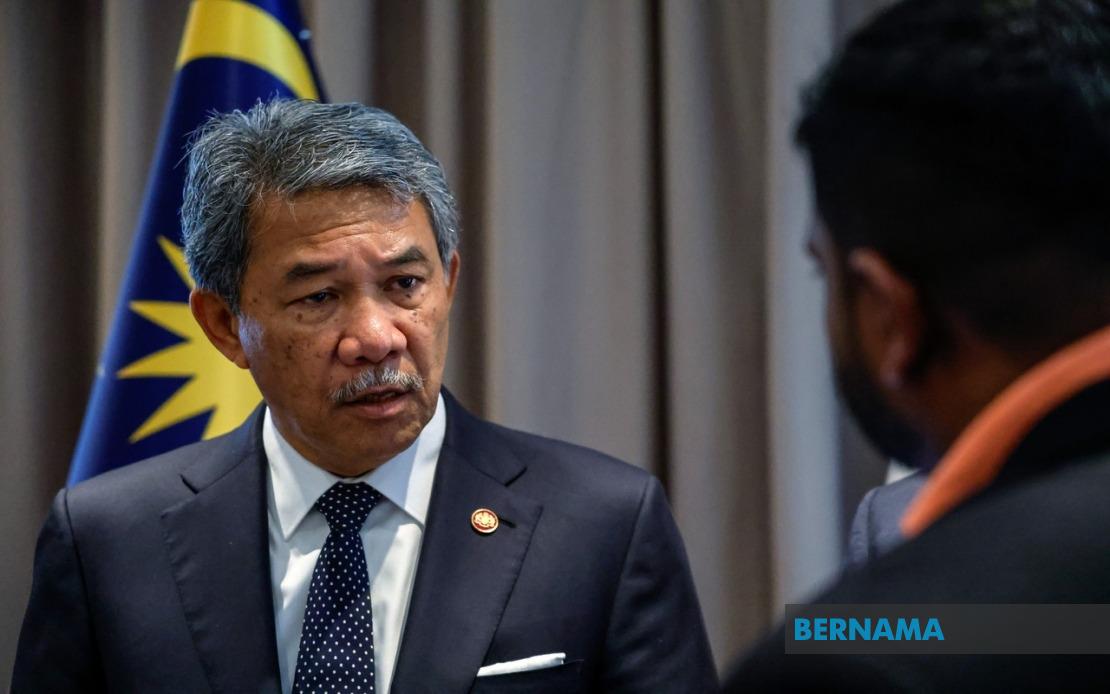
Foreign Minister Datuk Seri Mohamad Hasan revealed that preliminary screening conducted by the Philippine Embassy in Kuala Lumpur has identified approximately 1,000 individuals from among those detained who meet the criteria for immediate deportation. This development represents a significant opportunity to reduce the overcrowding crisis affecting the four depots, which have been operating beyond their intended capacity for an extended period. The identification process forms part of a broader bilateral effort to manage irregular migration more effectively across the shared maritime border region.
The Malaysian government has emphasised the urgency of the repatriation timeline, stressing that the detention centres cannot continue to operate at their current population levels. Officials indicated that while the initial batch of 1,000 identified individuals should be processed swiftly, the screening of remaining detainees must proceed simultaneously to maintain operational efficiency. Both nations are exploring sea-based transportation solutions alongside other viable logistics arrangements to move the migrants back to Philippine territories in a coordinated manner.
Beyond the immediate repatriation challenge, the two countries acknowledged the broader humanitarian dimension of the crisis, particularly concerning the education of children belonging to undocumented migrants residing in Sabah. Malaysia has committed to conducting a comprehensive study on how to support continued schooling for these children prior to their families' anticipated return, recognising that educational continuity is crucial for vulnerable populations during transitions. However, this commitment comes with a significant caveat: Malaysia insists that any educational programmes must be directly administered by the Philippine government to ensure transparent oversight and prevent the establishment of unregulated private institutions that could operate without proper accountability mechanisms.
The educational arrangement reflects a broader pattern in bilateral cooperation where Malaysia seeks assurances regarding the governance standards applied to initiatives affecting undocumented migrants. The emphasis on direct Philippine government management underscores concerns about ensuring that assistance programmes maintain international standards and do not inadvertently create systems that could perpetuate irregular migration patterns or exploitation. This dimension of the talks demonstrates that both nations view the repatriation process not merely as a logistics challenge but as an opportunity to establish better-structured frameworks for managing vulnerable populations.
The repatriation initiative carries significant implications for regional migration policy across Southeast Asia. With Malaysia hosting approximately 1.9 million migrant workers legally and hosting an estimated hundreds of thousands of undocumented individuals, the efficiency of bilateral repatriation mechanisms directly influences the broader stability of the labour market and social services infrastructure. The Sabah situation has become emblematic of the challenges facing frontline states in managing irregular migration flows, particularly across borders where maritime access is easy and population pressures in origin countries remain high.
Moreover, the resolution of the detention overcrowding issue has immediate consequences for law enforcement and immigration management capacity in Sabah. Freeing physical space and administrative resources at these facilities enables authorities to process new arrivals more efficiently and conduct more thorough documentation procedures. The clearing of detention backlogs also reduces the financial burden on government budgets, as maintaining detention facilities incurs substantial operational costs that could be redirected toward other development priorities in the state.
During the joint commission meeting, the question of Sabah's sovereignty emerged as a tangential issue when the Malaysian delegation addressed historical claims that have periodically resurfaced in Philippine political discourse. Mohamad Hasan reiterated Malaysia's position that Sabah's territorial status as part of Malaysia has been firmly established through international legal mechanisms, particularly the United Nations process that recognised the territory as Malaysian in the context of decolonisation and the formation of the Malaysian federation. He urged the Philippines to respect international law and the settled nature of territorial recognition, implicitly referencing the diplomatic tensions that arose following a Philippine senator's recent public remarks about reviving historical claims to the territory.
This aspect of the discussions, while not dominating the agenda, reflects the persistent undercurrent of diplomatic sensitivity surrounding the region. Malaysia had previously indicated its intention to lodge a formal diplomatic protest with the Philippines following Senator Robin Padilla's statements advocating for a reconsideration of Sabah's status. The fact that Foreign Minister Mohamad Hasan chose to address the matter during the bilateral meeting, while downplaying its significance by stating it was not a central discussion point, suggests an effort to compartmentalise the issue and prevent it from undermining cooperation on more pressing humanitarian matters.
The bilateral engagement on migration management reflects a pragmatic approach by both governments to addressing practical challenges that transcend historical grievances. The Philippines, as the origin country for the detained migrants, has incentives to facilitate repatriation and restore its citizens to communities where they may contribute economically. Malaysia, as the receiving and managing state, benefits from reducing detention pressure and clarifying the status of individuals within its borders. This convergence of practical interests has created space for constructive dialogue despite underlying territorial disagreements.
Looking forward, the success of the current repatriation initiative will likely set a precedent for how Malaysia and the Philippines manage future surges in irregular migration. If the expedited process for the initial 1,000 individuals proceeds smoothly and demonstrates effective inter-agency coordination, both governments may seek to establish standing protocols for similar situations. Such institutionalisation of repatriation procedures could enhance regional stability and reduce the humanitarian costs associated with prolonged detention of migrants.
The international legal framework cited by Malaysia regarding Sabah reflects the broader principle in Southeast Asian relations that settled borders, however historically contested, should be respected to maintain regional stability. The Asean consensus has generally supported this principle, recognising that reopening territorial questions would destabilise the regional order. However, periodic political rhetoric in the Philippines suggesting otherwise continues to create diplomatic friction that affects bilateral relations more broadly, even when immediate cooperation on practical issues remains viable.
For Malaysian stakeholders, particularly those in Sabah, the repatriation initiative addresses a genuine public administration challenge that has accumulated over years of irregular migration pressure. The detention facilities have become humanitarian concerns in themselves, with questions about conditions, access to services, and long-term management of populations awaiting resolution. The bilateral agreement to accelerate repatriation offers relief from this sustained pressure and provides a pathway toward restoring more orderly immigration management in the state. Success in this endeavour could serve as a model for other Southeast Asian nations facing similar transnational migration challenges.

