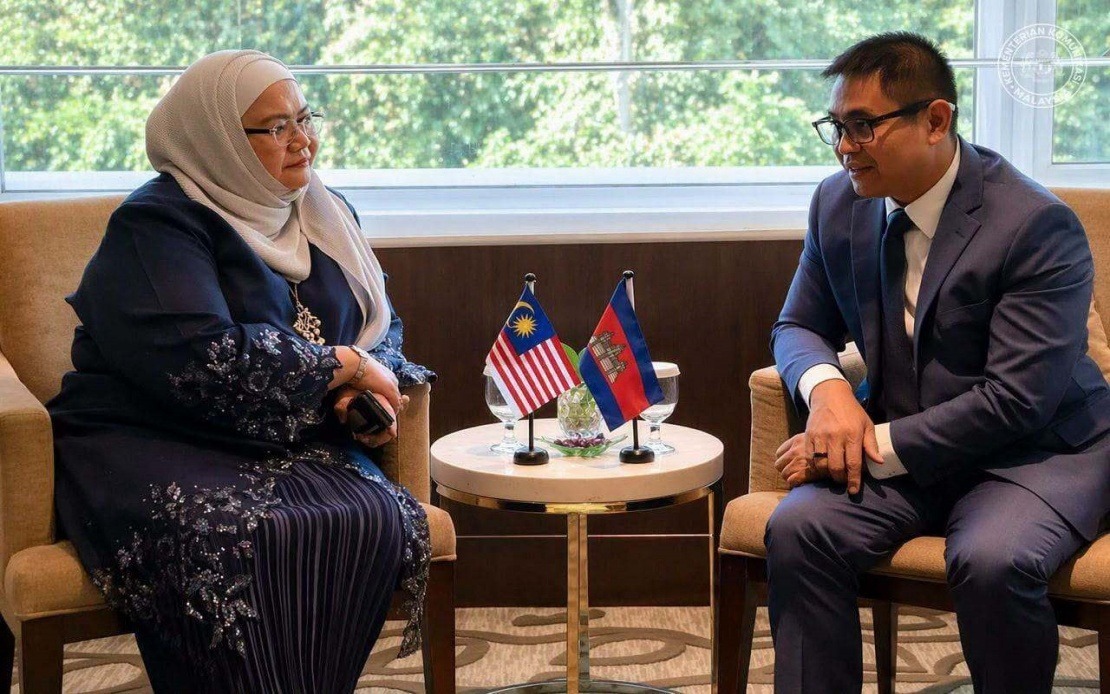
Malaysia and Cambodia are moving forward with concrete plans to implement their freshly signed Memorandum of Understanding on Information and Media Development, following a bilateral meeting held on the sidelines of regional discussions in Brunei this week. The agreement, inked earlier in June, represents a significant broadening of diplomatic ties between the two Southeast Asian neighbours, extending beyond traditional diplomatic channels into the critical arena of media cooperation and information management. The meeting underscores both nations' recognition that coordinated media development and information-sharing frameworks are essential tools for regional stability and mutual development in an increasingly connected digital landscape.
The bilateral discussions took place during the 23rd ASEAN Senior Officials Responsible for Information meeting in Bandar Seri Begawan, where delegations from both countries convened to chart the course for their expanded partnership. Malaysia's delegation was led by Datuk Bahria Mohd Tamil, the Deputy Secretary-General responsible for Strategic Communications and Creative Industry at the Ministry of Communications, signalling the technical depth and institutional commitment the Malaysian government is bringing to these negotiations. Prak Thaveak Amida, Secretary of State of Cambodia's Ministry of Information, headed the Cambodian team, ensuring high-level representation that reflects the importance both governments attach to this collaboration.
The original memorandum was formally signed in mid-June on the margins of the National Journalists' Day (HAWANA) 2026 celebration in Penang, an appropriate venue given the media-focused nature of the agreement. Communications Minister Datuk Fahmi Fadzil signed the document ad referendum alongside Amida, who was deputising for Cambodian Information Minister Neth Pheaktra. This signing mechanism, while routine in diplomatic practice, demonstrates the formal treaty status of the arrangement and its elevation beyond simple working agreements into binding bilateral instruments.
During their Brunei meeting, both delegations explored multiple dimensions of potential cooperation that extend well beyond traditional media exchange. Digital transformation emerged as a central pillar of discussion, reflecting regional concerns about the necessity for media institutions in both countries to evolve with technological change. The two nations recognised that media organisations across Southeast Asia must adapt to shifting audience consumption patterns, the proliferation of digital platforms, and the operational efficiencies that technological integration offers. For Malaysia, particularly, this focus aligns with broader government digitalisation initiatives and the need to ensure the domestic media ecosystem remains competitive and robust in an era of rapid technological disruption.
Equally significant was the bilateral emphasis on information integrity and addressing emerging media challenges. Both countries face increasingly complex environments where misinformation, disinformation, and coordinated inauthentic behaviour threaten public discourse and social cohesion. By establishing a framework for cooperation on these fronts, Malaysia and Cambodia are positioning themselves to share best practices, develop joint training initiatives, and coordinate responses to information threats that cross borders. This dimension is particularly relevant for Southeast Asia, where the speed of information dissemination through social media platforms has outpaced traditional regulatory mechanisms and fact-checking infrastructure.
The Ministry of Communications emphasised that Malaysia views this partnership as a strategic investment in deepening ties with Cambodia across multiple sectors. The statement released following the meeting highlighted Malaysia's commitment to advancing cooperation through initiatives that strengthen both nations' information and media sectors while simultaneously reinforcing bilateral friendship. This framing places media cooperation within the broader context of regional diplomacy, suggesting that collaborative media development serves both institutional and diplomatic purposes. For Malaysian policymakers, enhanced coordination with Cambodia offers opportunities to influence regional information flows and establish Malaysia as a centre for media innovation within ASEAN.
The scope of cooperation outlined encompasses information exchange mechanisms, formal structures for media development collaboration, and coordinated approaches to addressing digital transformation challenges. Information exchange is particularly significant given the geographic and cultural proximity of the two nations and the overlapping interests they share in regional security, economic development, and social stability. By establishing clear protocols for sharing information relevant to media development and journalist training, both countries can accelerate institutional capacity-building and avoid duplicative efforts. Media development cooperation likely encompasses technical assistance, journalist exchange programmes, and institutional strengthening initiatives that can elevate professional standards across the region.
Cambodia's participation in this framework is noteworthy given its particular challenges in media freedom and institutional development. The country's media landscape has historically faced constraints, and engagement with Malaysia through structured bilateral mechanisms could provide Cambodian institutions with access to Malaysian expertise and resources. Conversely, Malaysia gains a partner for regional cooperation and can position itself as a leader in media development within ASEAN, enhancing its diplomatic influence in a critical policy area. The bilateral nature of this arrangement also sidesteps larger ASEAN consensus-building processes, allowing both nations to move forward pragmatically with initiatives that might face resistance in multilateral forums.
The timing of these discussions during a major ASEAN information officials' meeting suggests both countries are coordinating not only bilaterally but also signalling their commitments to regional information governance frameworks. SOMRI, as the formal mechanism through which ASEAN nations discuss information policy, provides a useful context for bilateral agreements that reinforce and complement broader regional objectives. By anchoring their bilateral discussions within this multilateral process, Malaysia and Cambodia are demonstrating that their partnership serves not merely bilateral interests but contributes to regional information infrastructure and cooperation.
Looking forward, the implementation phase will prove critical in determining whether this memorandum generates tangible outcomes or remains primarily symbolic. Successful execution will require sustained institutional engagement, dedicated funding, and regular bilateral dialogue to address implementation challenges. Malaysian and Cambodian officials must establish working groups, define specific deliverables with timelines, and create accountability mechanisms to ensure the partnership produces concrete results in media development, digital transformation, and information integrity. The strategic nature of these areas means that progress will be closely watched by other ASEAN nations considering similar bilateral arrangements.
For Malaysian media organisations and communication professionals, this agreement potentially opens channels for collaboration, exchange programmes, and joint research initiatives with Cambodian counterparts. The framework could facilitate journalist exchanges, training programmes in digital journalism and fact-checking, and collaborative investigations into cross-border information issues. As Malaysia continues positioning itself as a regional communications hub, deepening institutional ties with neighbouring countries through media development cooperation reinforces this strategic objective while contributing to broader Southeast Asian media capacity and resilience against information threats.

