%22%2F%3E%3C%2Fpattern%3E%3C%2Fdefs%3E%3Crect%20width%3D%22100%25%22%20height%3D%22100%25%22%20fill%3D%22url(%23ph39riug)%22%2F%3E%3Crect%20width%3D%22100%25%22%20height%3D%22100%25%22%20fill%3D%22url(%23ph39riup)%22%2F%3E%3Ctext%20x%3D%2250%25%22%20y%3D%2250%25%22%20text-anchor%3D%22middle%22%20dominant-baseline%3D%22central%22%20fill%3D%22rgba(255%2C255%2C255%2C0.95)%22%20font-family%3D%22Georgia%2C%20'Times%20New%20Roman'%2C%20serif%22%20font-weight%3D%22700%22%20font-size%3D%22170%22%20letter-spacing%3D%22-0.02em%22%3EMalaysia%3C%2Ftext%3E%3C%2Fsvg%3E)
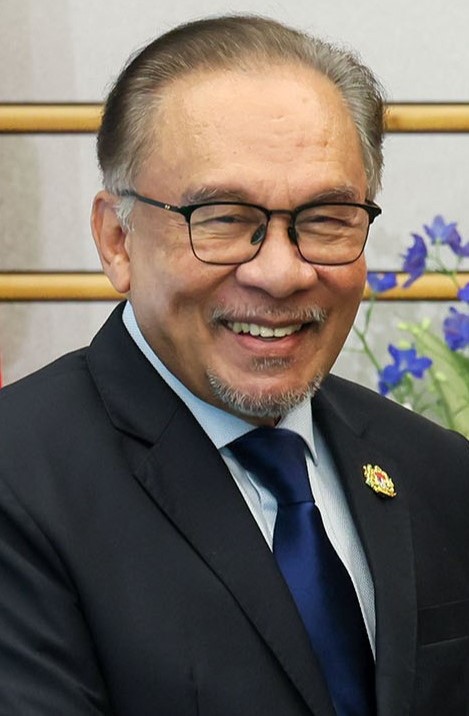
Prime Minister Anwar Ibrahim and Bangladesh's Chief Adviser Muhammad Yunus have pledged a coordinated approach to protecting migrant workers in Malaysia, signalling a shared commitment to dismantling exploitative practices that have long plagued bilateral labour movements. The agreement, reached during high-level discussions in Putrajaya, represents an acknowledgement from both nations that systematic abuse within recruitment channels demands urgent intervention at the policy level, not merely rhetorical concern.
The Malaysian government's emphasis on worker welfare stems from documented cases of wage theft, contract substitution, and unsafe working conditions that have sparked international scrutiny. Anwar's positioning of migrant protection as a cornerstone issue reflects growing domestic pressure from civil society groups and a recognition that Malaysia's economic competitiveness increasingly depends on maintaining ethical labour standards. The construction, manufacturing, and domestic work sectors—which employ hundreds of thousands of Bangladeshi nationals—have been particularly prone to violations, making this bilateral alignment strategically significant for both economies.
Bangladesh's parallel demand for expanded employment opportunities presents a delicate balancing act. The nation views Malaysia as a critical outlet for its large, underemployed workforce, with remittances from overseas workers constituting a vital revenue stream for families and the national economy. However, this dependency has historically created conditions where workers accept poor terms rather than risk losing placement entirely. The push for job growth must therefore be contextualised within the simultaneous need for stronger protections—a tension both countries now acknowledge requires resolution rather than perpetuation.
The recruitment process itself has emerged as the focal point of bilateral concern, and rightly so. Licensed agents, unscrupulous intermediaries, and inadequate verification mechanisms have enabled widespread deception at the point of hire. Workers arrive in Malaysia expecting one contract only to find different wages, extended hours, or hazardous roles entirely. Both nations have committed to developing standardised recruitment protocols, though implementation and cross-border enforcement remain formidable challenges given the involvement of private agents operating outside direct government control.
Malaysia's track record on migrant worker issues has drawn sustained criticism from human rights organisations, with concerns intensifying following pandemic-related lockdowns that left many workers stranded without income. The government's renewed focus on welfare and fair recruitment practices can be interpreted as both a moral imperative and a pragmatic response to international pressure and potential reputational damage. By formalising commitments with Bangladesh—a major source country—Malaysia positions itself as reform-minded while signalling to other labour-origin nations that standards are being upgraded.
The economic implications extend beyond individual workers to the structural health of Malaysia's labour market. Sectors reliant on migrant workers cannot sustain productivity gains if exploitation and turnover drain the workforce. Investment in recruitment integrity, worker housing, health insurance, and dispute resolution mechanisms represents not merely humanitarian progress but economic sense. Singapore and other regional competitors have long recognised that ethical labour standards correlate with operational efficiency and reduced social friction.
Bangladesh's participation in this dialogue reflects its own gradual shift toward protecting nationals abroad. The administration has been strengthening oversight of licensed recruiting agents and establishing grievance channels for overseas workers. Coordination with major destination countries like Malaysia amplifies these domestic measures and creates reciprocal accountability. However, Bangladesh also requires assurance that tightened recruitment standards will not simply reduce job allocations, a concern that explains its simultaneous push for employment expansion.
The practical realisation of these commitments faces institutional hurdles. Malaysia's Ministry of Human Resources and Bangladesh's Ministry of Expatriates' Welfare must develop enforceable agreements, establish joint monitoring mechanisms, and create effective channels for worker complaints. The involvement of private recruitment agencies—which profit from high turnover and volume rather than worker welfare—introduces resistance to reform. Both governments will need to demonstrate political will by imposing meaningful sanctions on violators and prioritising worker access to justice over agent profits.
Regional implications deserve attention as well. Thailand, Indonesia, and Vietnam all export substantial migrant workforces to Malaysia. A genuine commitment to recruitment reform and worker protections could establish a template for bilateral labour agreements across Southeast Asia, potentially elevating standards across the region. Conversely, if Malaysia and Bangladesh's accord remains declaratory without substantive enforcement, it will reinforce scepticism among other source countries and workers themselves regarding the sincerity of such pledges.
The timing of this commitment carries significance within Malaysia's broader political economy. As the government navigates post-pandemic recovery and seeks to attract foreign investment, demonstrating ethical labour practices strengthens its international standing. For Bangladesh, ensuring dignified work conditions for its nationals abroad reflects both humanitarian values and economic pragmatism, as workers facing exploitation send remittances home at reduced levels due to debts and deductions.
Moving forward, success will hinge on translation of high-level agreement into ground-level change. Migrant workers in Malaysian factories, construction sites, and homes will judge these commitments not by bilateral statements but by concrete improvements in wages, safety, and access to grievance mechanisms. Both nations have committed themselves publicly; now institutional capacity and political stamina will determine whether this marks genuine reform or another cycle of international assurance followed by marginal change.