Malaysia's National Anti-Drug Agency (AADK) has endorsed Malaysia Aviation Group's (MAG) decision to introduce mandatory drug screening across Malaysia Airlines' entire pilot and cabin crew workforce, a policy shift prompted by the recent detention of one of the carrier's pilots in Indonesia. The directive will affect approximately 1,260 active pilots and represents a significant tightening of safety protocols within the country's flagship carrier.
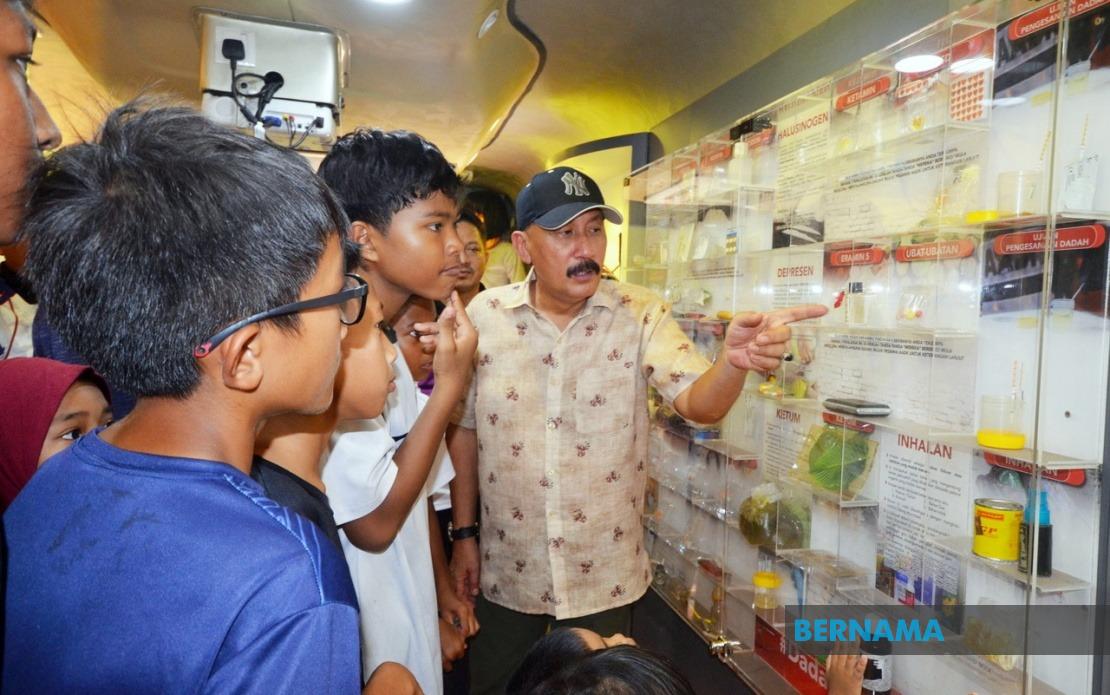
The push for universal testing aligns with Malaysia's broader zero-tolerance stance on drug abuse and trafficking, according to AADK director-general Datuk Ruslin Jusoh. Speaking at the launch of community development initiatives in Terengganu, he emphasised that the aviation sector's responsibility for passenger safety cannot be negotiated, making comprehensive screening measures essential rather than optional. The timing of the announcement reflects growing international scrutiny on drug-related incidents involving airline personnel.
Airline safety remains one of Malaysia's most sensitive operational areas, given the sector's critical infrastructure status and the confidence international passengers place in domestic carriers. A single incident involving impaired flight crew can inflict lasting reputational damage that extends far beyond the immediate operational concern. The AADK's endorsement signals a unified government approach to preventing such vulnerabilities from materialising again.
The agency has outlined a comprehensive cooperation framework with Malaysia Aviation Group that extends beyond simple screening protocols. AADK intends to strengthen the Drug-Free Workplace (TEKAD) programme within MAS, conduct joint drug detection operations, deliver prevention training to supervisory staff, and facilitate information-sharing between aviation authorities and law enforcement. This multilayered approach acknowledges that screening alone cannot address drug threats effectively; sustained institutional commitment and regular operational oversight are equally critical.
Historically, AADK has already conducted targeted screening exercises at major airlines. The agency carried out detection operations at Malaysia Airlines in April 2025 and at AirAsia in December 2025, providing empirical foundations for the new mandate. These operations generated data that likely influenced MAG's decision to implement blanket screening rather than relying on random or incident-reactive testing alone.
Coordination with international aviation authorities and domestic regulatory bodies will intensify under the new framework. The Civil Aviation Authority of Malaysia (CAAM), police, and international counterparts will share intelligence to strengthen border security and screening controls at Malaysia's main entry points. For a country that functions as a regional aviation hub, such coordination is indispensable in preventing drug trafficking through legitimate airline channels and protecting the industry's integrity.
The AADK acknowledged that isolated incidents should not overshadow the professionalism of Malaysia's broader aviation workforce, a sentiment designed to reassure industry professionals that the screening policy targets systemic risk rather than casting aspersions on individuals. However, the agency remains committed to supporting governmental and commercial efforts to maintain Malaysia's drug-free status, indicating that aviation personnel will face the same screening expectations as other critical infrastructure workers.
Beyond aviation, Terengganu's broader drug landscape presents encouraging but uneven trends. Recorded cases of addiction and abuse fell 7.2 per cent in the first quarter of 2026, declining to 7,582 from 8,174 in the corresponding 2025 period. These figures suggest that some public health and enforcement measures are yielding measurable results. However, troubling demographic shifts undermine this optimism.
The emergence of drug involvement among younger cohorts carries profound implications for Malaysia's social development trajectory. A 16.7 per cent increase in cases among children aged 10 to 14 represents a particularly alarming trend, as early-onset drug exposure significantly impairs educational attainment, employment prospects, and long-term social integration. Simultaneously, rising prevalence among elderly populations aged 55 to 69 suggests that drug addiction is no longer confined to youth but is extending across the entire age spectrum, complicating prevention and treatment strategies.
Amphetamine-Type Stimulants (ATS) remain the dominant drug threat, accounting for 6,206 cases or 81.9 per cent of recorded incidents in early 2026. Methamphetamine, yaba pills, and ecstasy continue to dominate supply chains and consumer demand, underscoring the need for concerted supply disruption alongside demand-reduction campaigns. Opiates, representing 16.9 per cent of cases, pose a secondary but substantial challenge, particularly given their addiction potential and overdose risks.
In response, AADK has positioned school-based interventions as a frontline defence. The MADANI Foster School (SAM) programme operates at community and institutional levels to intercept young people before drug exposure takes hold. Combined with infrastructure upgrades at FELDA Tenang—including sports facilities and educational spaces—the initiative reflects a philosophy that preventing drug use requires investment in alternative leisure opportunities and community cohesion alongside enforcement.
The broader policy shift reflects Malaysia's recognition that aviation safety, public health, and social development are interconnected challenges requiring integrated responses. A pilot under the influence endangers thousands of passengers; drug-affected workers reduce workplace productivity across sectors; and youth drug involvement undermines long-term demographic dividends. By extending mandatory screening to airline personnel and simultaneously investing in preventive programmes in rural communities, the government signals a comprehensive approach to drug threats across multiple operational domains.
For Malaysia Airlines specifically, the screening mandate offers a competitive advantage in an international market where safety and reliability are paramount considerations for both passengers and business partners. The policy demonstrates institutional responsiveness to emerging risks and alignment with global best practices in aviation security. As regional competition intensifies and international carriers expand operations across Southeast Asia, Malaysia's commitment to rigorous workforce screening may differentiate its flagship carrier positively within the market.
Moving forward, sustained cooperation among AADK, FELDA, educational institutions, Parent-Teacher Associations, youth organisations, and local communities will determine the policy's effectiveness. The challenge extends beyond implementation of screening protocols to building cultural attitudes that reject drug use as incompatible with professional responsibility and community welfare. For Malaysia's aviation sector and its rural development initiatives alike, this represents a defining test of institutional capacity to translate policy commitments into measurable outcomes.

