Malaysian authorities are examining procedures at Kuala Lumpur International Airport following the arrest of a Malaysia Airlines pilot at an Indonesian airport with drugs in his possession, raising fresh questions about security screening protocols at the country's primary aviation hub. The incident has prompted officials to scrutinise baggage handling and passenger vetting systems, particularly for crew members who typically enjoy streamlined processing.
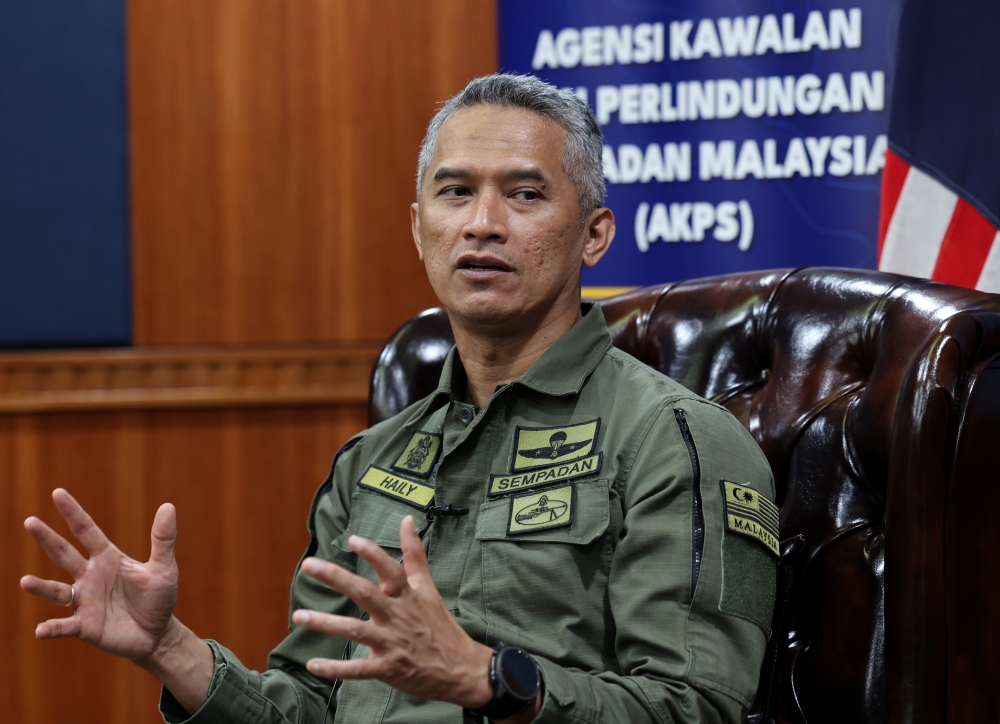
According to the chief of the border agency responsible for airport operations, the pilot's luggage underwent standard screening at KLIA before his departure and raised no red flags during the process. This revelation has become focal to investigations into how contraband material apparently made its way through one of Southeast Asia's busiest international terminals without triggering alerts from authorities.
The timing of the arrest in Jakarta has intensified scrutiny of bilateral procedures between Malaysia and Indonesia, two neighbouring nations that share significant air traffic and passenger flows. Officials are now examining whether gaps exist in communication between the two countries' border agencies or whether inconsistencies in screening standards may have contributed to the incident going undetected at KLIA.
Malaysia Airlines, the country's national carrier, has cooperated fully with authorities conducting the investigation. The airline has a vested interest in clarifying the circumstances, as reputational damage from such incidents can undermine passenger confidence and complicate operations across the region. The company has emphasised its commitment to safety and compliance with international aviation standards.
For Malaysian travellers and the broader aviation sector, this incident underscores ongoing concerns about the effectiveness of security measures at international airports. While screening technology has advanced considerably, human error and procedural inconsistencies can still create vulnerabilities. The incident serves as a reminder that no aviation facility, regardless of infrastructure investment or international accreditation, remains immune to such breaches.
The investigation reflects deeper operational challenges facing airport authorities across Southeast Asia, where balancing efficiency with security remains perpetually difficult. KLIA processes hundreds of thousands of passengers monthly, and crew members moving through dedicated channels might receive less intensive scrutiny than ordinary travellers, a practice designed to maintain flight schedules but potentially exploitable.
Regional aviation security frameworks have come under increasing pressure in recent years as smuggling networks adapt their tactics. The use of airline personnel, who enjoy legitimate access to secure areas, represents a particularly troubling vulnerability that law enforcement agencies across the region have flagged repeatedly. This incident may prompt Malaysian authorities to reconsider whether current expedited processing for crew members adequately balances operational necessity with security imperatives.
The border agency's statement clarifying that standard procedures were followed at KLIA appears aimed at deflecting criticism that domestic screening was inadequate. However, officials acknowledge that the investigation continues and that findings may lead to procedural modifications. Such transparency, while necessary for public confidence, also signals that existing systems face challenges that require addressing.
Indonesian authorities, who apprehended the pilot, are continuing their own parallel investigation into how the substances entered their jurisdiction. This cooperation between neighbouring countries represents standard practice in aviation security matters, though coordination between nations often moves slower than officials publicly acknowledge, potentially creating investigative delays.
The incident carries implications beyond the immediate circumstances. It raises questions about whether Malaysia Airlines employees receive adequate training on security responsibilities and contraband awareness. Airlines typically conduct such training, but effectiveness varies, and individuals may underestimate the consequences of transporting prohibited materials or become entangled with criminal networks through coercion or financial desperation.
For the broader Malaysian aviation industry, the incident underscores the necessity for continuous refinement of screening protocols. Conversations are reportedly underway between KLIA management, government agencies, and Malaysia Airlines regarding enhanced procedures, particularly for crew members and their baggage. These discussions may lead to implementation of additional verification steps or technological enhancements.
The investigation's ultimate findings will likely influence how Malaysian authorities approach airport security moving forward. Whether the incident represents an isolated lapse in judgment by an individual employee or indicates systemic vulnerabilities in procedures remains a central question that investigators must answer. The outcome will determine whether current protocols require only minor adjustments or merit comprehensive restructuring.
Ultimately, this incident reflects the perpetual tension inherent in managing international aviation security. Airports must facilitate legitimate commerce and travel while remaining vigilant against those who exploit access and trust. The challenge facing Malaysian and regional authorities is achieving that balance without compromising the operational efficiency upon which the aviation industry depends.

