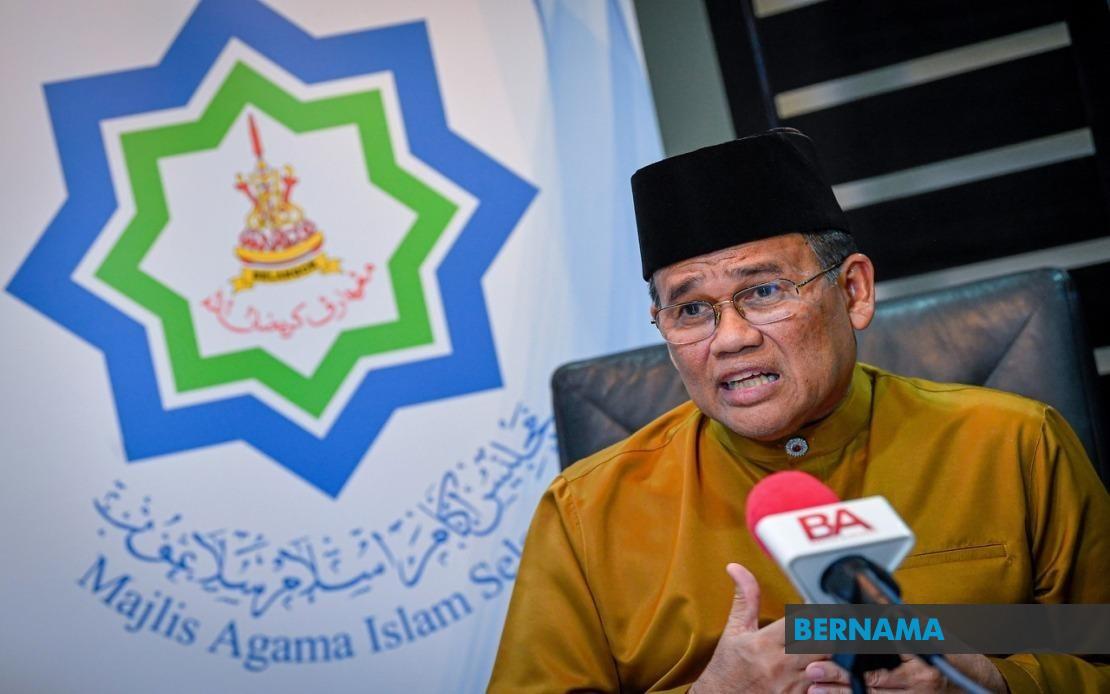
The Selangor Islamic Religious Council (MAIS) has convened an urgent dialogue between the bereaved family, Masjid Nurul Hidayah's administrative team in Kampung Pandan Dalam, the Salatulrahim Welfare Organisation (BKS), and the Selangor Islamic Religious Department (JAIS) to address serious complaints over a delayed funeral at Ukay Perdana Muslim Cemetery in Hulu Kelang. The development marks an attempt by Malaysia's highest Islamic authority in the state to restore public confidence in funeral and burial procedures after allegations surfaced that administrative lapses created unnecessary suffering for a grieving family during their period of mourning.
MAIS chairman Datuk Salehuddin Saidin characterised the gathering as a platform designed to find comprehensive solutions satisfactory to all stakeholders while preventing comparable problems from recurring. In his statement, he underscored MAIS's responsibility to protect both the dignity of the deceased and the emotional welfare of families navigating one of Islam's most solemn rituals. The chairman's intervention suggests that the incident has attracted sufficient public attention to warrant intervention at the council's highest level, signalling the seriousness with which religious authorities are treating the matter.
The council has formally communicated its sympathies to the family, acknowledging the additional trauma imposed by administrative delays at a moment when proper Islamic observance should be the sole concern. Beyond expressing condolences, MAIS has pledged that investigations will proceed rigorously and that any party determined to bear responsibility—whether through criminal actions, professional negligence, or communication failures between institutions—will face appropriate consequences. This stance reflects recognition among Islamic authorities that accountability mechanisms must function transparently to preserve public trust in religious institutions managing fundamental aspects of Muslim life.
Salehuddin referenced the preliminary findings released by JAIS director Datuk Mohd Shahzihan Ahmad the previous Saturday, which were based on information furnished by the mosque's management team regarding how the situation unfolded. The existence of multiple official investigations indicates the complexity of determining responsibility when several organisations share oversight of burial procedures. Rather than prematurely assigning blame, MAIS has wisely positioned itself as an impartial overseer ensuring that proper procedures are followed and that no institutional interest takes precedence over the family's legitimate grievances.
Police reports have been filed by the mosque administration, the deceased's relatives, and the BKS independently, creating a comprehensive documentary record of the incident from differing perspectives. Salehuddin's exhortation for all parties to respect the police investigation's integrity reflects confidence in Malaysia's law enforcement capacity to untangle the circumstances objectively. This multi-layered reporting mechanism, while potentially complicated, ensures that no single narrative dominates and that authorities can cross-reference accounts to establish factual accuracy about what transpired and why timely burial could not be arranged.
Beyond addressing this particular incident, MAIS has announced a systemic review of how Islamic funeral and burial protocols operate across mosque management structures throughout Selangor. This proactive stance suggests that authorities recognise the incident may symptomatise broader vulnerabilities in how religious institutions coordinate during sensitive processes. By examining operational procedures, training standards, and communication protocols, MAIS aims to strengthen the framework within which all Muslim deaths are managed, ensuring that future families receive services characterised by professionalism and compliance with Islamic law's ethical requirements.
The council's commitment to ensuring respectful and efficient management of Muslim deceased persons extends beyond procedural mechanics to encompass the spiritual and emotional dimensions that funerals represent for Islamic communities. MAIS's emphasis on conducting these responsibilities with integrity acknowledges that funeral arrangements constitute a test of a society's values and its commitment to honouring both the deceased and those mourning them. The review process will likely examine whether current staffing, training, coordination mechanisms, and communication channels are adequate for the task's gravity.
Salehuddin also appealed to Malaysia's Muslim population to maintain social cohesion and brotherhood—concepts encapsulated in Islamic terminology as ukhuwah—and to resist allowing disagreements over procedural matters to fracture community bonds. This appeal carries particular weight given the incident's potential to generate friction between religious institutions, bereaved families, and the public, who naturally scrutinise how their faith's most sacred obligations are executed. The chairman's intervention emphasises that institutional improvement need not occur through confrontation or blame-assignment but through constructive engagement aimed at common understanding.
For Malaysian readers, the incident underscores the importance of robust oversight mechanisms within religious institutions handling essential social functions. While Islam emphasises proper burial procedures as obligations that transcend bureaucratic delays, the actual execution of these rituals depends on coordination between multiple actors. The MAIS response demonstrates that when systems fail, accountability frameworks exist within Malaysia's Islamic administration, though the incident raises questions about whether current structures adequately prevent administrative lapses from occurring in the first place.
The upcoming meeting represents a critical juncture where institutions must demonstrate their capacity for self-correction and their commitment to serving the community's fundamental needs. How MAIS, JAIS, mosque management, and the BKS collectively address findings and implement preventive measures will signal whether religious bureaucracies can modernise while remaining true to Islamic values. For families facing the loss of loved ones, such institutional reform efforts translate directly into whether their most vulnerable moments will be handled with the competence and compassion Islam demands.
Moving forward, this incident may catalyse broader conversations within Malaysia's Islamic administration about standardising procedures, enhancing inter-agency communication, and ensuring that training for personnel handling funeral arrangements reflects the proceedings' sacred significance. The involvement of MAIS—as the state's supreme Islamic authority—indicates that reform efforts will likely carry binding weight across Selangor's Muslim institutions. Whether comparable reviews emerge in other Malaysian states remains to be seen, but the Selangor case establishes a precedent for systemic examination when funeral procedures falter.

