Malaysia Airports Holdings Bhd (MAHB) has reinforced its commitment to supporting multi-agency initiatives aimed at protecting Malaysia's borders from illegal smuggling operations, responding to the recent incident involving a Malaysian airline pilot detained in Indonesia on drug-related charges. The airport operator made clear that it stands ready to extend necessary cooperation in the ongoing investigation while deepening its partnership with relevant authorities to enhance security protocols and enforcement operations at Kuala Lumpur International Airport.
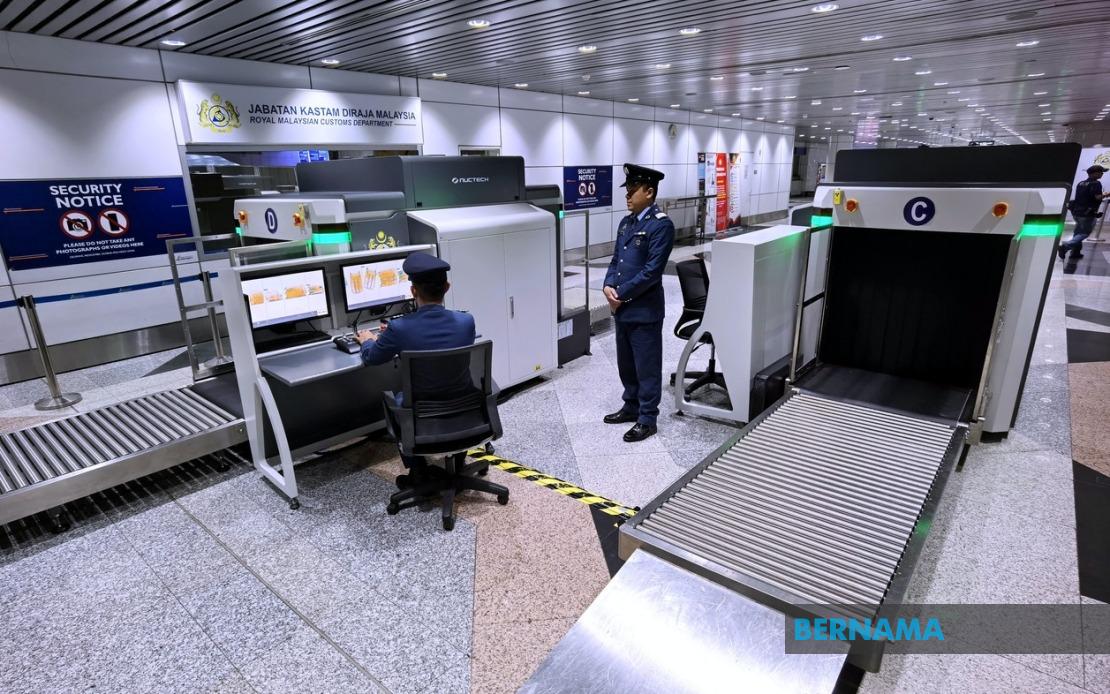
The company's Aviation Security (AVSEC) division operates as the frontline defender against potential threats to civil aviation, implementing comprehensive screening regimes throughout the airport complex. These security measures rely on sophisticated detection technology specifically calibrated to identify explosives, firearms and other items deemed hazardous to air transport operations. The baggage handling infrastructure at KLIA has been engineered with these security imperatives at its core, ensuring that all checked luggage destined for international departure—whether belonging to passengers or airline personnel—undergoes rigorous aviation security screening before clearance.
However, MAHB distinguished between its core aviation security mandate and the broader law enforcement responsibilities that extend beyond protecting aircraft operations. The company explained that while AVSEC focuses on preventing unlawful interference that could compromise flight safety, the detection and prosecution of narcotic offences falls outside this scope. Responsibility for investigating drug trafficking and other contraband matters rests with specialised law enforcement agencies including the Royal Malaysia Police (PDRM) and the Royal Malaysia Customs Department, which maintain dedicated operations at Malaysian airports to intercept illegal substances.
The division of responsibilities reflects Malaysia's structured approach to border security, with the Department of Wildlife and National Parks handling separate jurisdiction over wildlife trafficking cases. Each agency functions within its designated mandate, applying relevant legislation and established enforcement procedures while maintaining operational coordination with airport authorities. MAHB emphasised that it actively facilitates these agencies' work through systematic information sharing and operational cooperation, recognising that effective border control requires seamless collaboration across multiple enforcement bodies.
Data released by MAHB demonstrates the tangible results of this collaborative approach. During the first seven months of 2024, the airport's AVSEC team worked in partnership with PDRM to thwart over thirty attempted smuggling operations involving illegal substances transiting through KLIA. These statistics underscore how coordinated efforts between airport security and police authorities have created meaningful barriers to drug trafficking networks attempting to exploit Malaysia's major international hub.
The incident prompting this clarification involved the arrest of a 39-year-old Malaysian pilot on July 29 following his arrival in Indonesia from Malaysia. Indonesian customs authorities reported discovering approximately 70,114 ecstasy tablets and four grammes of methamphetamine among his baggage, valued at approximately Rp60 billion. The case has attracted attention from Southeast Asian law enforcement agencies investigating whether the suspect represents part of a broader international trafficking network with multiple smuggling episodes and connections to organised crime syndicates.
Indonesian investigators indicated that preliminary evidence suggests the pilot may have engaged in repeated smuggling operations and potentially maintained links to transnational drug trafficking organisations. The ongoing investigation aims to identify co-conspirators within the network and establish the intended distribution points for the intercepted narcotics. Such findings underscore the sophisticated methods employed by international criminal groups in exploiting commercial aviation routes and personnel with access to airport facilities.
The Civil Aviation Authority of Malaysia (CAAM) has initiated a parallel investigation examining whether all aviation security procedures were properly implemented throughout the incident. Authority chief executive officer Datuk Capt Norazman Mahmud stated that the probe would assess regulatory compliance from multiple angles, specifically reviewing whether the airline adhered to mandatory security requirements and whether airport screening operations met established standards. This regulatory examination complements the criminal investigation conducted by police and customs authorities, addressing potential systemic vulnerabilities.
The pilot case illustrates the ongoing vulnerability of air transport systems to narcotic smuggling despite technological advances and procedural improvements. Individuals with legitimate airport credentials and flight crew status occupy a privileged position within airport security perimeters, potentially creating blind spots in enforcement operations designed primarily to screen external threats. The incident highlights why sustained cooperation between airport authorities, aviation regulators and law enforcement remains essential for identifying and closing gaps that criminal networks might exploit.
For Malaysian aviation and border security stakeholders, the case underscores the necessity of maintaining high operational standards across multiple enforcement agencies while recognising the distinct but complementary roles of airport security, customs authorities and police narcotics units. MAHB's acknowledgment of its limitations in drug enforcement while reaffirming its commitment to supporting law enforcement suggests a mature understanding of institutional boundaries and collaborative principles. The arrest also raises questions about crew vetting procedures and whether enhanced background monitoring of airline personnel might further reduce the risk of internal smuggling operations.

