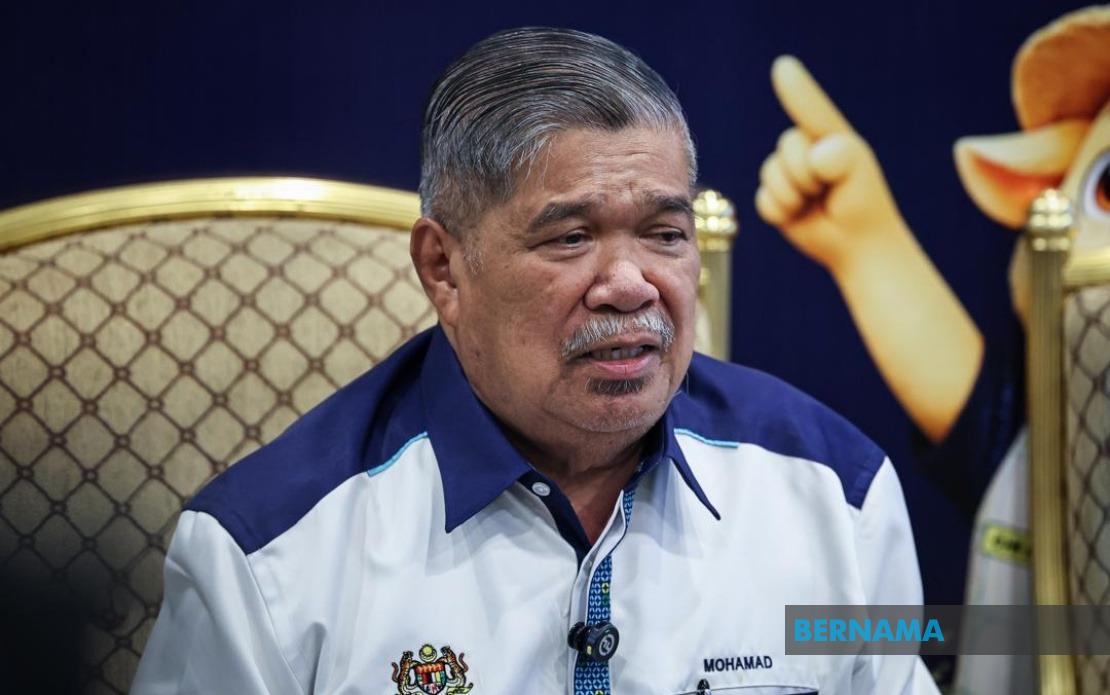
The Malaysia Agriculture, Horticulture and Agrotourism Show (MAHA) 2026 is encouraging visitors to adopt respiratory protection measures as the nation grapples with seasonal haze and extreme heat. Agriculture and Food Security Minister Datuk Seri Mohamad Sabu issued this health advisory during the official opening ceremony at the Malaysia Agro Exposition Park Serdang (MAEPS), emphasizing that face masks represent a prudent safeguard for public wellbeing during the event's crucial visitor season.
The timing of this advisory carries particular significance as Malaysia enters the school holiday period, traditionally driving substantial foot traffic to major public attractions. The minister expressed anticipation of markedly higher attendance over the coming days and into the weekend, periods when families typically visit such venues. Mohamad stressed that while mask-wearing remains voluntary, the combination of environmental factors and large crowds creates a compelling case for individual protective action. His remarks reflected concerns that poor air quality and heat stress could compound health risks, particularly for vulnerable populations including elderly visitors, young children, and those with pre-existing respiratory conditions.
The opening day figures underscored the event's massive drawing power, with 140,000 visitors recorded on August 28, the inaugural day of operations. This preliminary attendance suggests that organizers' projections of exceeding four million visitors over the event's nine-day run from August 28 through September 6 remain plausible. Such visitor volumes create management challenges beyond typical crowd control, including ensuring adequate medical facilities, maintaining sanitation standards, and preventing the concentration of air quality issues in high-traffic zones.
MAHA 2026 operates under the thematic framework of "Penciptaan Nilai Demi Keterjaminan Makanan," reflecting Malaysia's strategic emphasis on value creation within the food security ecosystem. The event assembles approximately 2,000 exhibitors spanning agricultural production, horticultural innovation, and agritourism experiences. This concentration of industry participants and visitors creates opportunities for stakeholders to showcase advancements in sustainable farming, produce quality, and rural tourism offerings—sectors of increasing importance to Malaysia's diversified economy and regional agricultural positioning.
Deputy Agriculture and Food Security Minister Datuk Chan Foong Hin and the ministry's Secretary-General Datuk Seri Isham Ishak were present at the opening ceremony, indicating the government's sustained engagement with agricultural sector development and public health messaging. The multi-ministerial attendance signals that MAHA 2026 transcends a purely commercial exhibition, representing instead a platform for communicating agricultural policy priorities and demonstrating institutional commitment to farmer support and food system resilience.
Beyond health advisories, MAHA 2026 is integrating patriotic programming into its calendar of activities. The event will host a Merdeka Eve celebration commencing at 11:30 pm on August 30, featuring drone displays and fireworks. This integration of national commemorative events with agricultural promotion reflects Malaysia's approach to dual-purpose public gatherings, wherein venues serve simultaneously as platforms for commerce, education, and civic engagement.
The haze phenomenon affecting the region remains a recurring challenge during specific seasonal windows, driven by transboundary atmospheric conditions and land-use practices across Southeast Asia. For Malaysia, the advisory issued at MAHA 2026 represents part of broader public health messaging during periods of compromised air quality. The guidance to wear masks aligns with established health protocols while acknowledging that outdoor events cannot be postponed based on meteorological variables, particularly when they carry significant economic and cultural weight.
Heat stress presents a parallel concern, as August and September temperatures in Malaysia routinely reach levels that elevate heat-related illness risk. Outdoor events during these months require organizers to provide adequate shading, hydration stations, and medical standby capacity. The convergence of haze and heat creates compounding physiological stress, as particulate matter inhalation combines with thermoregulatory demands to increase cardiovascular and respiratory strain.
For regional context, MAHA 2026's scale reflects the agricultural sector's continuing significance within Malaysia's economic portfolio and social fabric. The four-million-visitor projection underscores public interest in agricultural themes and rural experiences, particularly given urbanization trends that have diminished direct consumer engagement with farming communities. Events of this magnitude facilitate knowledge transfer between farmers, researchers, technology providers, and consumers, supporting value-chain optimization and sectoral modernization.
The event's emphasis on agritourism represents a strategic pivot toward income diversification for farming communities, complementing traditional commodity-based revenue streams. By integrating recreational and educational tourism elements with agricultural production displays, MAHA 2026 models approaches to rural economic sustainability that leverage both natural resources and experiential offerings. This positioning proves especially relevant across Southeast Asia, where agricultural livelihoods face pressure from volatile commodity prices, climate variability, and labor availability challenges.
Minister Mohamad's health advisory reflects evolving institutional awareness that large-scale public events require integrated health risk management frameworks. Rather than issuing prescriptive mandates, the ministry's approach emphasizes public education and voluntary compliance, respecting individual autonomy while providing evidence-based guidance. This communication strategy acknowledges that during periods of environmental degradation, personal responsibility and collective awareness prove more effective than enforcement-based approaches.
Looking forward, MAHA 2026's execution through early September will provide operational data regarding visitor management, health outcomes, and public engagement patterns during environmental stress periods. Such information informs planning for subsequent editions and helps establish best-practice protocols for other major Malaysian outdoor events. The convergence of agricultural sector priorities, public health considerations, and visitor experience quality creates multiple stakeholder interests in the event's successful delivery, motivating continued attention to operational and advisory measures throughout its duration.

