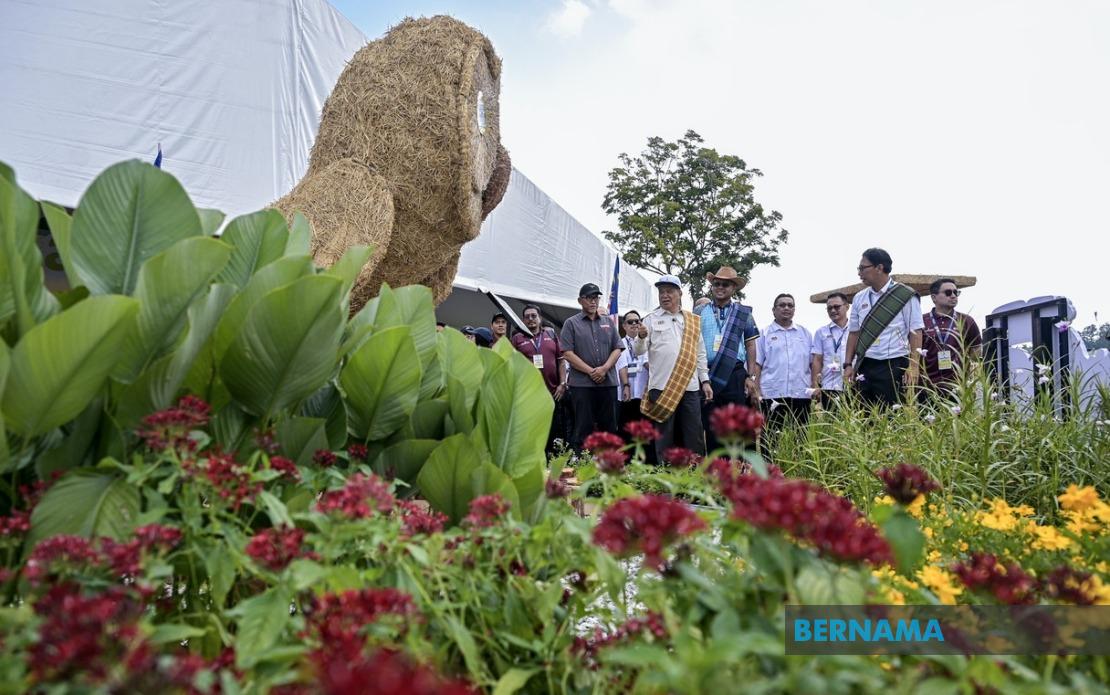
Malaysia's premier agricultural showcase, MAHA 2026, is demonstrating exceptional momentum in its opening week, having welcomed 1.8 million visitors and achieved nearly RM6 million in commercial transactions during its first three days of operation. Agriculture and Food Security Minister Datuk Seri Mohamad Sabu disclosed these figures whilst launching Laman Padi MAHA 2026 at Malaysia Agro Exposition Park Serdang (MAEPS) on Sunday, underscoring the robust public appetite for an event that combines rural heritage with contemporary agrotourism experiences.
The sheer volume of attendance has created unprecedented logistical challenges at the venue. A total of 184,000 vehicles passed through the exhibition grounds in the opening 72 hours, creating considerable congestion around MAEPS and demonstrating that planners may need to reassess their transportation infrastructure for the exhibition's remainder. The scale of this movement reflects not merely casual interest but serious purchasing intent from families and agricultural professionals traversing the Serdang site.
Organisers have calibrated their commercial expectations accordingly, projecting total sales will climb to at least RM58 million before the exhibition concludes on September 6. The bulk of this figure will derive from agricultural purchases, particularly crop seeds and horticultural products that drive the rural economy. Such revenue would represent a substantial injection into Malaysia's agricultural sector and validate the government's continued investment in connecting consumers directly with producers through large-scale events.
The early success reflects deliberate programming strategies designed to broaden appeal across demographic groups. Notably, MAHA Merdeka on August 30 leveraged National Day celebrations to attract broader crowds, incorporating fireworks and drone displays that transformed the agricultural exhibition into a patriotic entertainment destination. This fusion of farming commerce with cultural celebration appears to have resonated powerfully with the public, suggesting that future editions might deepen this integration.
State pavilions have emerged as particular pressure points, with Minister Mohamad observing conspicuously long queues forming outside regional agricultural showcases. This phenomenon indicates that visitors are investing substantial time browsing and potentially purchasing from state-level exhibitors, validating the decision to allocate pavilion space across Malaysia's agricultural regions. The congestion, whilst problematic operationally, signals genuine commercial vitality rather than superficial foot traffic.
Weather conditions have compounded operational difficulties throughout the opening period. The minister specifically noted that scorching heat has created pressure on visitor management systems, particularly when crowds accumulate at high-demand pavilions. Staff have required urgent guidance on logistics and crowd-flow procedures, with management directed to expedite visitor movement through bottleneck areas. This meteorological reality underscores the vulnerability of outdoor events to Malaysia's tropical climate and necessitates contingency planning for the exhibition's remaining fortnight.
Transportation infrastructure enhancements have already commenced in response to the surge. Shuttle services connecting MAEPS to nearby transport hubs have been expanded, though the minister intimated that further refinements remain forthcoming based on ongoing traffic analysis. A dedicated coordination committee meets daily to evaluate complaints and devise solutions, indicating a responsive management structure willing to implement mid-event modifications. This iterative approach to problem-solving appears to be preventing the logistical chaos that sometimes accompanies major public gatherings.
The exhibition's scale warrants this administrative attention. Across the fortnight-long event, roughly 2,000 exhibitors will showcase agricultural innovations, horticulture products, and agrotourism offerings from August 28 through September 6. Organisers anticipate total attendance will exceed four million visitors, suggesting that the opening three days have set a brisk trajectory. Should the current pace continue proportionally, the RM58 million sales target appears conservative rather than ambitious.
For Malaysian agriculture, MAHA 2026 represents a crucial platform for direct farmer-to-consumer engagement that bypasses conventional retail channels. Agricultural exports and domestic consumption patterns increasingly require such direct relationships, particularly as consumers demonstrate growing interest in sourcing and understanding their food origins. The exhibition transforms abstract policy commitments around agricultural modernisation into tangible marketplace realities where rural producers encounter urban purchasing power directly.
From a sectoral perspective, the robust attendance validates government efforts to maintain agricultural exhibitions as economic development tools. Rather than representing nostalgic retreats into rural celebration, modern agricultural expos function as sophisticated commercial mechanisms facilitating product discovery, price discovery, and supply chain connections. The vehicle throughput and sales velocity recorded at MAHA 2026 demonstrate that Malaysian consumers remain fundamentally engaged with agricultural products, provided access and presentation meet contemporary expectations.
The exhibition's momentum carries implications beyond immediate commercial results. Strong attendance reinforces political support for agricultural sector investment during a period when urbanisation and mechanisation have sometimes relegated farming to secondary economic priority. Ministers leveraging such events to highlight sectoral vitality can subsequently justify sustained funding and policy attention. For farmers navigating volatile commodity markets, direct consumer connections generated through MAHA become valuable market-stabilisation mechanisms.
The transportation challenges evident in opening days will likely inform planning for future national-scale exhibitions. The data point of 184,000 vehicles across three days provides concrete justification for improved highway access, expanded parking infrastructure, or shuttle systems connecting MAEPS to public transport. Such infrastructure investments, whilst substantial, generate ripple benefits extending beyond the exhibition period.
As MAHA 2026 progresses through its remaining nine days, the operational and commercial performance during this critical opening phase will establish patterns affecting the remainder of the event. The convergence of strong attendance, substantial early sales, and responsive management suggests the exhibition is positioned to achieve or exceed its RM58 million revenue target whilst demonstrating the continued relevance of agricultural showcases in Malaysia's modern economy.

