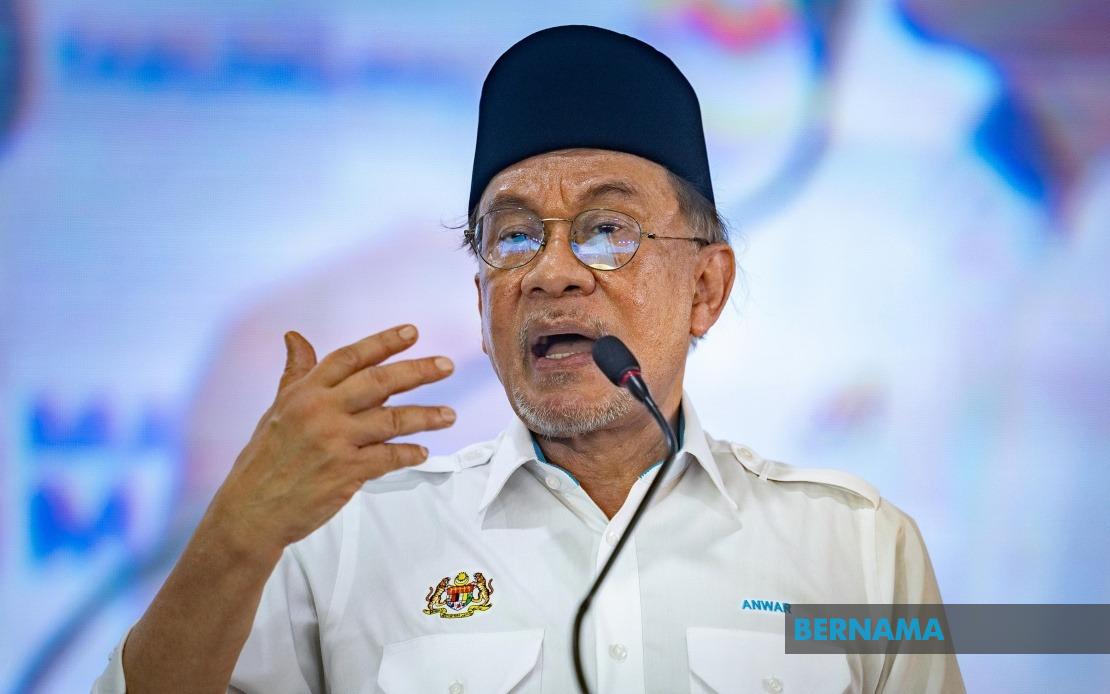
Prime Minister Datuk Seri Anwar Ibrahim has renewed the government's pledge to systematically enhance Islamic schools and pondok institutions throughout Malaysia, signalling that religious education will remain a priority area even as the nation pursues broader modernisation efforts. Speaking at the 2026 Perak Pondok and Religious Schools Gathering in Ipoh on July 19, Anwar underscored the government's determination to support these institutions both financially and administratively, provided the country maintains economic stability.
The MADANI administration recognises a critical challenge facing pondok schools: their historical role as educational anchors has gradually diminished as the pace of technological and economic change has accelerated. These institutions, which once served as primary knowledge centres in their communities, have struggled to keep pace with the demands of a modern economy that increasingly requires digital literacy and technical competence. Anwar's acknowledgment of this gap reflects a deeper understanding within government circles that preserving Islamic traditions and classical religious scholarship need not come at the expense of contemporary skill development.
Central to the government's strategy is encouraging religious educators and pondok leaders to embrace new fields of study alongside their classical curricula. Anwar expressed particular pride in the openness demonstrated by religious teachers, institutional heads, and tok guru who have proven willing to integrate subjects such as computer technology and artificial intelligence into their teaching frameworks. This willingness represents a significant shift in institutional mindset, recognising that Islamic education in the 21st century demands exposure to the tools and knowledge that shape economic opportunity.
The government has already mobilised key agencies to support this transformation. The Malaysia Digital Economy Corporation and the Implementation Coordination Unit within the Prime Minister's Department have been tasked with providing technical and operational assistance to religious schools seeking to upgrade their facilities and curricula. This institutional coordination suggests a whole-of-government approach rather than ad hoc interventions, indicating that improvement in these schools is embedded within broader digital economy initiatives.
Anwar's remarks were carefully framed around economic conditionality, noting that continued enhancement depends on Malaysia maintaining its current economic trajectory. This language reflects the reality that government funding for education competes with numerous other budgetary demands, and that sustained commitment requires fiscal health. The implicit message to stakeholders is that the stability of Malaysia's economic performance directly influences the pace and scope of improvements to religious education infrastructure.
The Prime Minister specifically referenced his conversation with Sheikh Wazir Che Awang Al-Makki, a prominent religious scholar from Kelantan, in pledging that Islamic schools and pondok institutions would receive meaningful support. This personalised reference lends credibility to the commitment and suggests that the government has engaged directly with respected voices within the Islamic education community, rather than approaching the issue from a purely bureaucratic angle. Such dialogue is crucial for building trust and ensuring that government initiatives align with the actual needs and aspirations of religious educators.
The gathering in Perak drew senior government officials including Menteri Besar Datuk Seri Saarani Mohamad, Minister in the Prime Minister's Department (Religious Affairs) Dr Zulkifli Hasan, and Chief Secretary to the Government Tan Sri Shamsul Azri Abu Bakar, underscoring the perceived importance of the event and the religious education portfolio within the broader government machinery. The presence of these figures demonstrates that pondok school development is not relegated to the religious affairs portfolio alone, but represents a cross-cutting priority.
For Malaysia's religious education sector, Anwar's statement carries both opportunity and expectation. The promise of sustained government uplift—conditional though it may be—provides a framework within which pondok schools can plan expansion and modernisation. However, institutions must navigate the delicate balance between preserving Islamic authenticity and adopting secular technological skills, a tension that will likely define educational strategy over the coming years. Success will depend heavily on whether schools can integrate these elements coherently rather than treating them as separate, competing domains.
The timing of such a commitment also reflects broader Southeast Asian trends. Throughout the region, governments are grappling with how to modernise Islamic education without alienating conservative constituencies. Malaysia's approach—framing technological integration as a natural extension rather than a threat to religious instruction—represents a pragmatic middle path that other Muslim-majority nations are watching closely.
For Malaysian parents and students, the implications are significant. Enhanced pondok schools offering both classical Islamic education and modern technical training could provide pathways to employment that currently seem unavailable, particularly in rural areas where these institutions are concentrated. This dual competency model, if implemented effectively, could reduce the perception that religious education leads to limited career prospects, a concern that has driven some families toward purely secular schooling.
Looking forward, the success of this initiative will depend on translating political commitment into concrete resource allocation, curriculum design, and teacher training. Government promises must be followed by sustained funding, institutional reform, and measurable outcomes. The next phase will involve working with MDEC, ICU, and religious education bodies to develop implementation roadmaps that specify how integration of advanced technologies will occur, what teacher training looks like, and how student outcomes will be measured.
Ultimately, Anwar's statement positions religious education as compatible with Malaysia's digital aspirations rather than separate from them. This framing could reshape perceptions of pondok schools for a new generation, potentially revitalising institutions that have faced declining enrolment in some regions. The coming years will reveal whether the government's commitment translates into tangible transformation or remains largely rhetorical.

