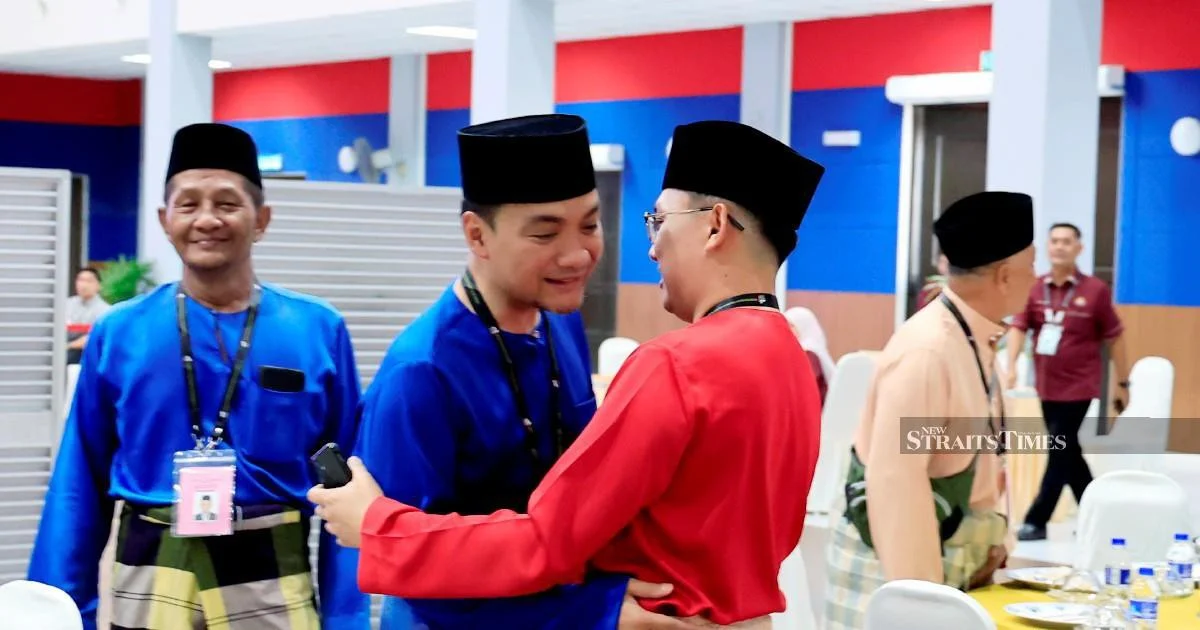
The Johor state election landscape has crystallized around a two-candidate showdown in Machap, where caretaker Menteri Besar Datuk Onn Hafiz Ghazi will defend his seat against Nur Hafiz in what promises to be a closely watched electoral battle. The confirmation of this straight fight eliminates speculation about potential three-cornered contests in the constituency, allowing both camps to focus their resources and messaging on a direct appeal to voters in the area.
Onn Hafiz's position as caretaker Menteri Besar underscores the significance of the Machap contest within the broader Johor election framework. His presence on the ballot carries weight beyond a single state seat, as the outcome will inevitably reflect voter sentiment toward the Barisan Nasional coalition's governance of Malaysia's most southern state. The incumbent's tenure has been marked by various administrative initiatives and policy directions that will likely feature prominently in campaign discourse over the coming weeks.
The emergence of Nur Hafiz as the opposing candidate provides a focal point for opposition sentiment in the constituency. While details about Nur Hafiz's background and political affiliation require clarification from the original source material, the nomination itself indicates that opposition forces have identified Machap as a priority battleground deserving of their competitive attention and electoral investment.
Machap's status as a straight contest simplifies the electoral mathematics considerably. Voters will face a binary choice rather than navigating a fragmented field of candidates, potentially leading to higher turnout and clearer mandates. This configuration also reduces the possibility of vote-splitting scenarios that might complicate predicting outcomes or interpreting the results' broader implications for state and national politics.
For the Barisan Nasional coalition more broadly, retaining Machap under Onn Hafiz's candidacy would represent continuity in state administration and validation of the incumbent administration's record. A loss, conversely, would signal electoral vulnerability in an area previously held comfortably by the government coalition and raise questions about voter satisfaction with Johor's governance trajectory.
The Johor election assumes particular strategic importance within Malaysia's current political climate. As one of the nation's most populous states and a traditionally significant power base for Umno within the Barisan Nasional framework, the state's electoral outcome carries implications extending well beyond Johor's borders. State elections serve as important barometers of voter sentiment and often presage shifts in national political fortunes.
Campaign dynamics in Machap will likely reflect broader tensions within Malaysian politics, including economic concerns, cost of living pressures, and voter expectations regarding governance effectiveness. Both camps will compete to frame their vision as more responsive to constituent needs and better positioned to deliver tangible improvements in living standards and public services.
The confirmation of the straight contest format comes after a period during which various parties assessed their electoral positioning and strategic options. The decision-making process behind candidate selection ultimately shapes the competitive landscape, determining which configurations maximize each camp's electoral prospects given local political conditions and voter demographics.
Machap voters will ultimately render judgment on the competing visions and candidates presented to them. Their decision will contribute to determining not only the state seat's representation but also help shape the overall composition of the Johor state assembly and the coalition that governs the state in coming years. The constituency's result may influence broader perceptions about momentum and voter preferences in an election cycle watched closely by political observers across Malaysia and the region.
Both camps now enter the campaign phase with clear objectives and concentrated opposition. The absence of additional candidates allows for more focused debate around substantive governance issues, candidate qualifications, and competing policy platforms. As campaigning intensifies, the nature of this direct contest will become clearer through public engagement, rallies, and media coverage shaping the political narrative leading toward polling day.

